Power Lines Can Carry 20% More Energy With Smart Tech
Utilities are unlocking hidden capacity in existing power lines by measuring real-time weather conditions instead of using worst-case assumptions. The innovation is paying for itself in less than two years while helping renewable energy reach more homes.
📺 Watch the full story above
Imagine finding out your highway could safely handle twice as many cars without adding a single lane. That's what's happening to power lines across Europe and the United States right now.
Utility companies are discovering that most transmission lines can carry significantly more electricity than operators thought possible. The secret isn't new cables or expensive upgrades. It's simply measuring what's actually happening instead of guessing.
For decades, engineers designed power lines assuming the worst possible conditions: scorching heat, no wind, and blazing sun. Those conservative assumptions kept the system safe but left massive capacity sitting unused. On a breezy spring day or cool autumn evening, those same lines could safely carry 10% to 20% more power.
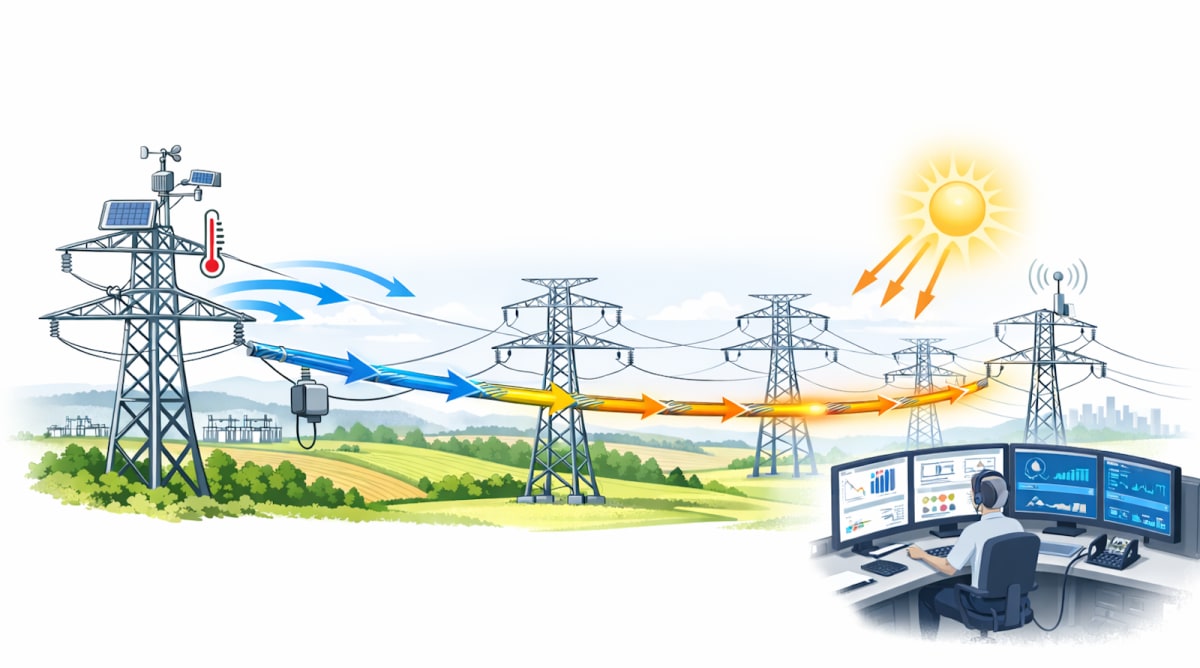
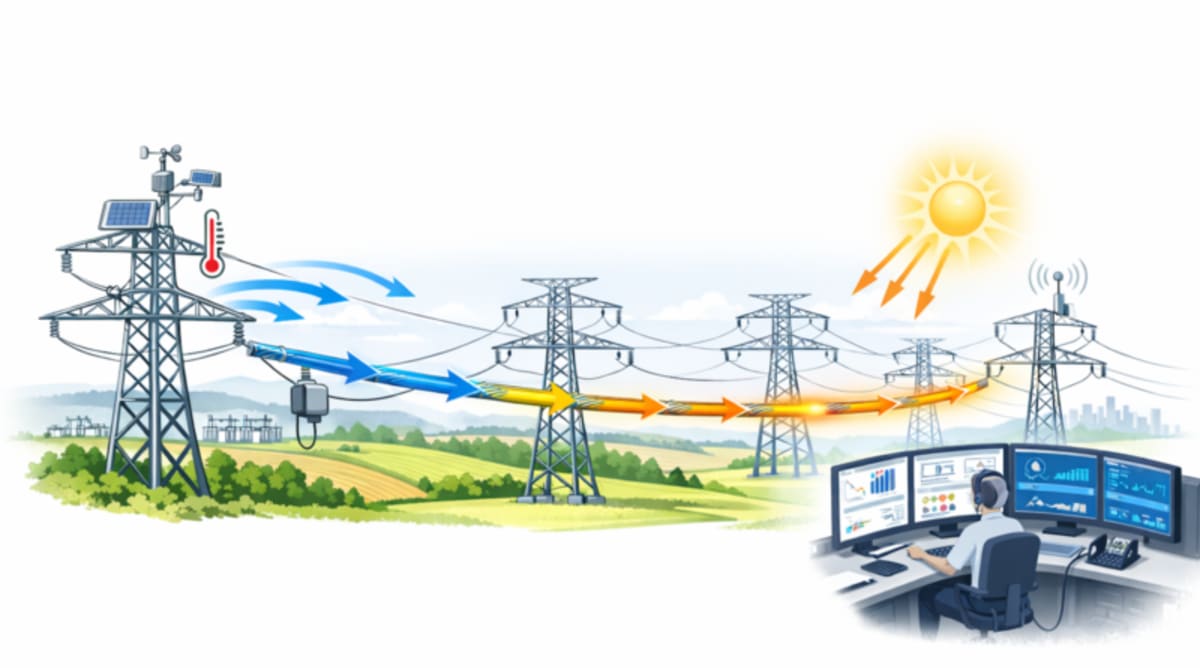
Dynamic line rating systems replace old assumptions with real measurements. Weather stations and sensors along transmission corridors track temperature, wind speed, and sunlight. The data flows to control rooms where operators can see exactly how much electricity each line can handle at that moment.
Wind makes the biggest difference. Moving air cools power lines far more effectively than still air. A gentle breeze of 3 meters per second can increase a line's capacity significantly compared to the barely moving air that engineers planned for. The physics is simple: cooler conductors can carry more current safely.
Austria's national grid operator APG installed the technology on 15% of its network and documented remarkable results. The system freed up enough transmission capacity to save €12 million annually in congestion costs. On one mountainous route, a €1 million installation paid for itself in just 10 months.
The Bright Side
This technology matters beyond just moving more electricity. As solar and wind farms come online, grid operators face a critical bottleneck. Building new transmission lines takes years and costs billions. Dynamic line rating unlocks capacity that already exists, helping renewable energy reach homes and businesses faster.
Texas grid operators are deploying the systems across their network. European utilities are following suit. The technology works especially well in regions with consistent wind patterns or varied terrain where conditions change dramatically over short distances.
Modern systems combine local sensors with sophisticated weather models that predict conditions hours or days ahead. Grid operators need those forecasts to plan which power plants to run and how to route electricity efficiently. The models divide regions into grids as small as 3 kilometers, capturing local wind patterns that broader weather forecasts miss.
Some systems attach sensors directly to the power lines themselves, measuring conductor temperature or how much the wire sags between towers. Others use weather stations positioned along the corridor. The most sophisticated installations combine both approaches with advanced forecasting algorithms.
The economics tell a compelling story: spend about €1 million per 100 kilometers of transmission line and recover the investment in one to two years through reduced congestion and better grid utilization.
Engineers are essentially giving the grid a smarter nervous system, one that responds to actual conditions rather than outdated assumptions about what might happen on the worst day imaginable.
More Images
Based on reporting by CleanTechnica
This story was written by BrightWire based on verified news reports.
Spread the positivity!
Share this good news with someone who needs it