Prof Uses Bollywood Subtitles to Teach 1B Indians to Read
A simple idea from watching a Spanish film could help one billion Indians become better readers. Dr. Brij Kothari's innovation adds same-language subtitles to TV shows, turning entertainment into automatic reading practice.
📺 Watch the full story above
What if your favorite Bollywood movie could teach you to read better while you watch? Dr. Brij Kothari had this exact thought in 1996 while watching a Spanish film, and it sparked an innovation now reaching across India.
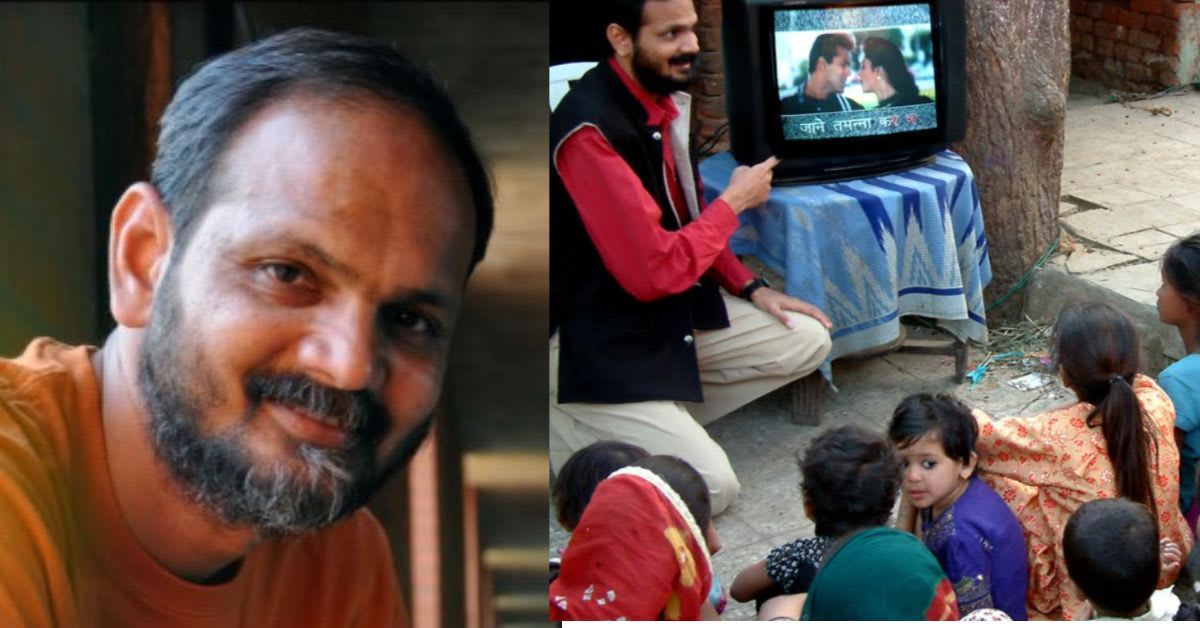
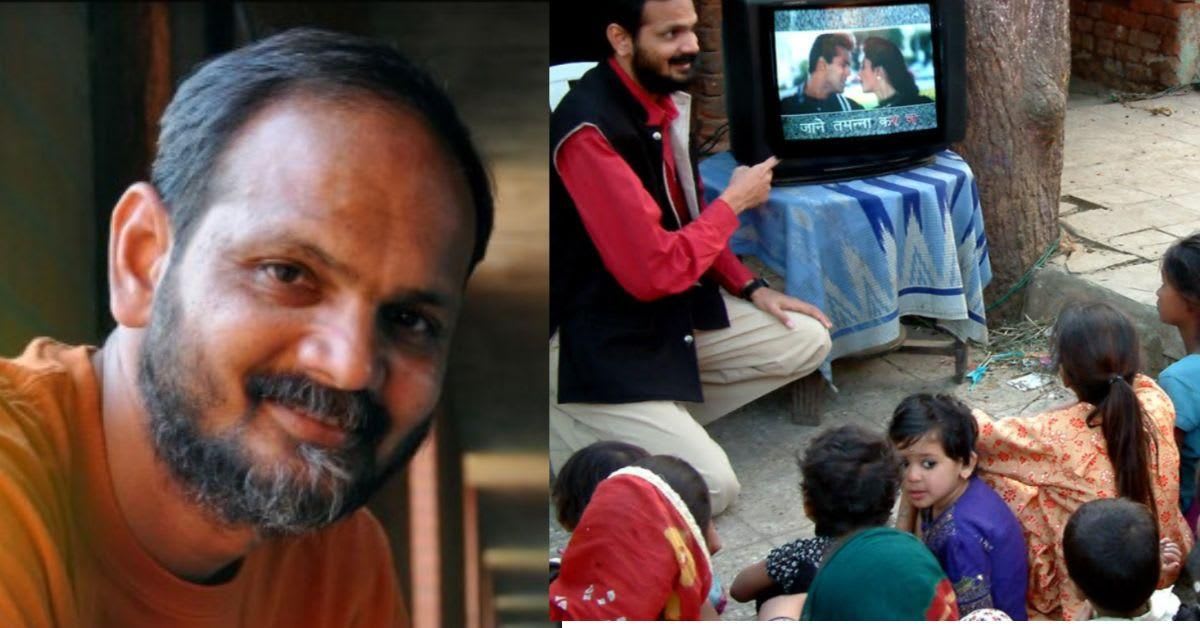
The professor at the Indian Institute of Management Ahmedabad created Same Language Subtitling, or SLS. It's beautifully simple: add subtitles in Hindi to Hindi movies, or Tamil subtitles to Tamil shows, so what you hear is exactly what you read.
His initiative BIRD (Billion Readers) just won a prestigious global grant from Co-Impact to scale this solution nationwide. The timing couldn't be better.
India faces a hidden crisis. Despite an 80% literacy rate, over half of those counted as "literate" cannot read simple texts. Year after year, education reports find that half of rural fifth graders can't read at a second grade level.
The reasons stack up quickly. School language often differs from home language. Teaching quality varies wildly. Rural children might attend only 100 days out of 200 in a school year. Many drop out by eighth grade and then have no access to books or reading materials.
But the average Indian watches four hours of TV daily for 70 years. Dr. Kothari realized that when the TV switches on, reading could automatically switch on too.
The Ripple Effect
BIRD targets 600 million weak readers across India. The coalition now includes state governments, speech-to-text experts from IIT Madras and MIT, major TV networks, and streaming platforms.
The team is developing AI technology to automatically subtitle content in 12 Indian languages with 85% accuracy. Soon, 1,000 hours of entertainment per language will have same-language subtitles.
What makes this work is effortless integration. Viewers choose content they already want to watch. No extra time, no extra effort. Reading practice happens automatically while families enjoy their shows.
The innovation has caught global attention. Bill Clinton called SLS "a small thing that has a staggering impact on people's lives." Researchers in the US and New Zealand now cite India's pioneering work on reading literacy through subtitles.
Other countries use captioning mainly for deaf and hard of hearing audiences or language learning. India became the first to propose using same-language subtitles on mainstream entertainment for mass reading improvement.
The scale is unprecedented. One billion potential beneficiaries makes this arguably the world's largest reading literacy intervention. Former IIMA director Prof. Errol D'Souza committed the institute to nurture this innovation and scale it nationally over five years.
For weak readers who avoid books because reading feels hard, subtitles remove the barrier. The story pulls them in, and the words simply appear, matching the dialogue they're already enjoying.
A Spanish film sparked an idea that could transform how a billion people read.
More Images
%2Fenglish-betterindia%2Fmedia%2Fpost_attachments%2Fuploads%2F2023%2F02%2Fsame-language-subtitling-1676555830.jpg)
%2Fenglish-betterindia%2Fmedia%2Fpost_attachments%2Fuploads%2F2023%2F02%2FProf-Brij-Kothari-1-1676554239.jpg)

Based on reporting by The Better India
This story was written by BrightWire based on verified news reports.
Spread the positivity!
Share this good news with someone who needs it