Prosthetic Hand Teaches Robots the Human Touch
A robotic hand originally designed for amputees is now teaching industrial robots how to handle objects with human-like dexterity. By collecting real-world data from over 300 prosthetic users, the technology is bridging a gap that's stumped engineers for decades.
📺 Watch the full story above
Robots are learning to handle fragile raspberries and coffee mugs without crushing them, thanks to an unexpected teacher: people using prosthetic hands.
PSYONIC, a company that created an FDA-approved prosthetic hand for amputees, is now partnering with robotics giant ABB to solve one of manufacturing's toughest challenges. How do you teach a robot to grasp objects as naturally as humans do?
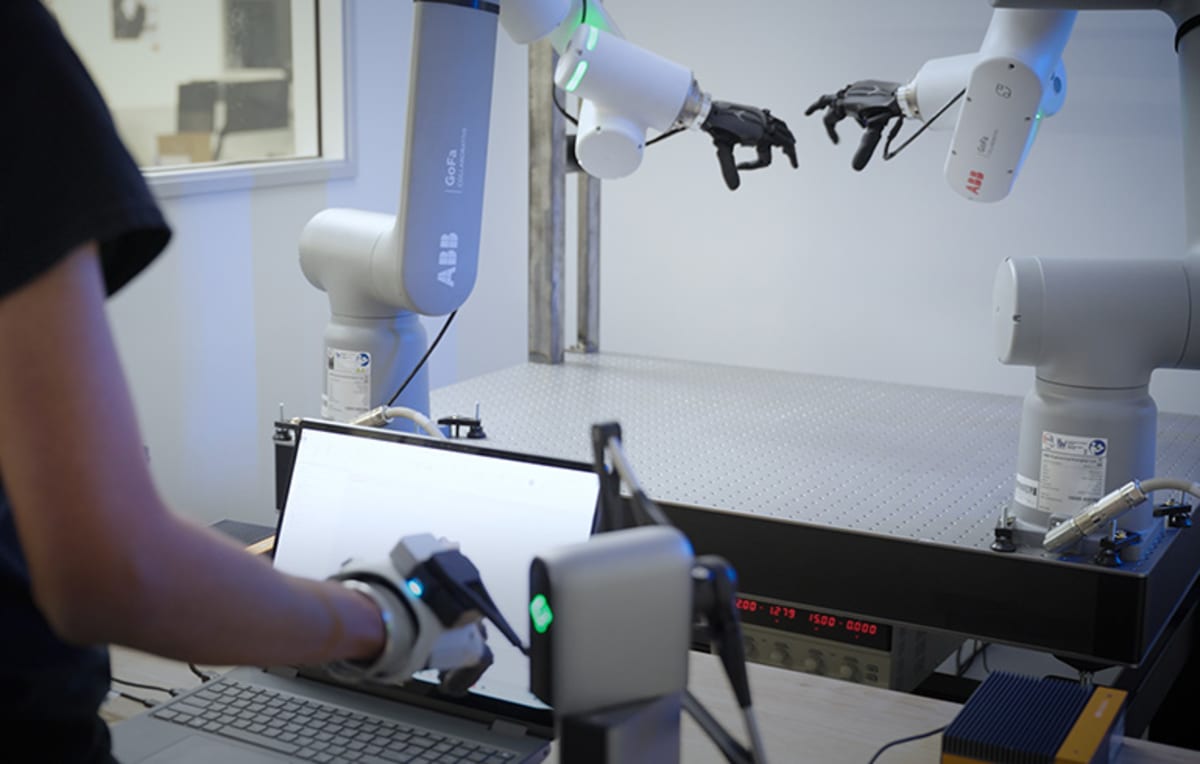
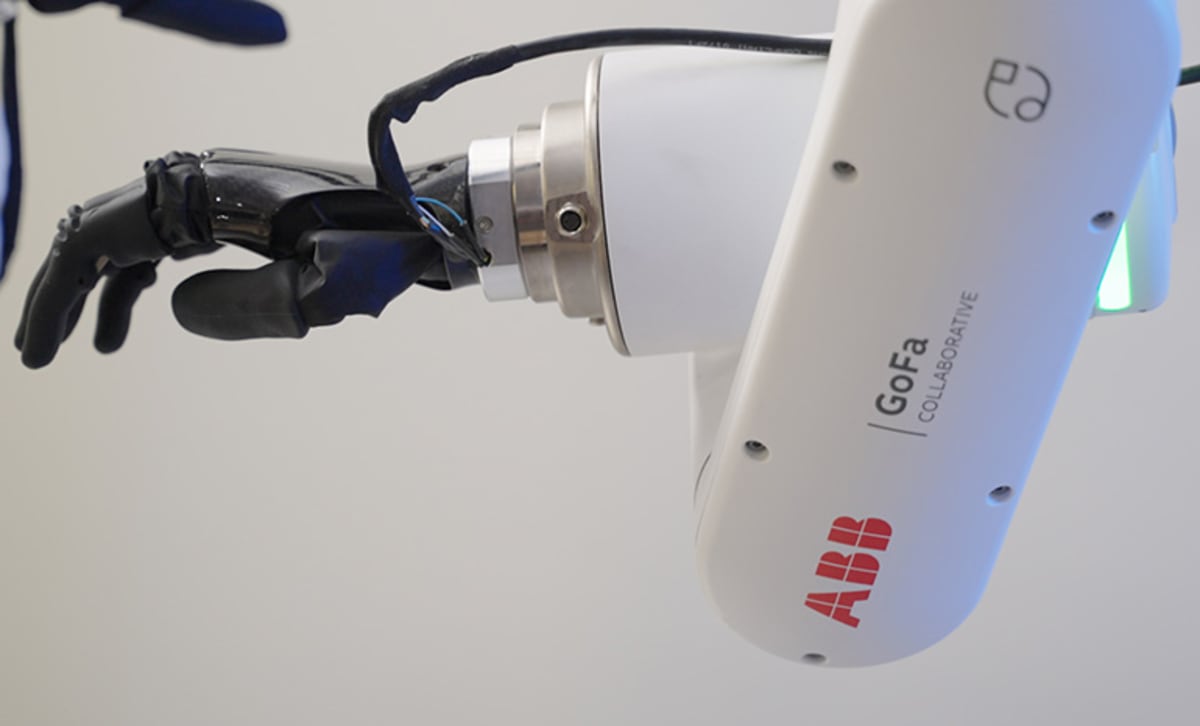
The answer came from an unlikely source. PSYONIC's Ability Hand, already used by over 300 prosthetic patients, contains pressure sensors and flexible fingers that collect detailed data on how people actually grip, hold, and release everyday objects.
When a person wearing the prosthetic hand picks up a raspberry, the device records exactly how much pressure their fingers apply to avoid crushing it. When they grab a coffee mug, it captures the precise force needed to maintain a firm grip without dropping it.
This real-world data is now training ABB's GoFa collaborative robots to perform the same delicate tasks. Traditional robot grippers use suction cups or simple claws that struggle with irregular shapes and soft materials like clothing or food.
The five-fingered approach makes sense for factories and warehouses built around human workers. The same hand that helps an amputee wash dishes at home can teach a robot to stock shelves or handle car parts at work.
Dr. Adeel Akhtar, PSYONIC's founder, explains that most robot training relies on watching videos or tracking hand positions in virtual reality. But those methods miss the crucial detail: how hard to squeeze.
The Ripple Effect
This breakthrough could reduce engineering time for new robotic tasks by up to 30%, according to the International Federation of Robotics. That means faster automation for industries struggling with labor shortages, from manufacturing to healthcare.
The collaboration also creates an unexpected benefit for prosthetic users. As industrial demand for the robotic hands grows, economies of scale could make advanced prosthetics more affordable and accessible to amputees who need them.
PSYONIC is working with NVIDIA and ABB to develop AI models that need less training data because the information they receive is higher quality. Instead of thousands of video clips, they can learn from hundreds of real touch interactions.
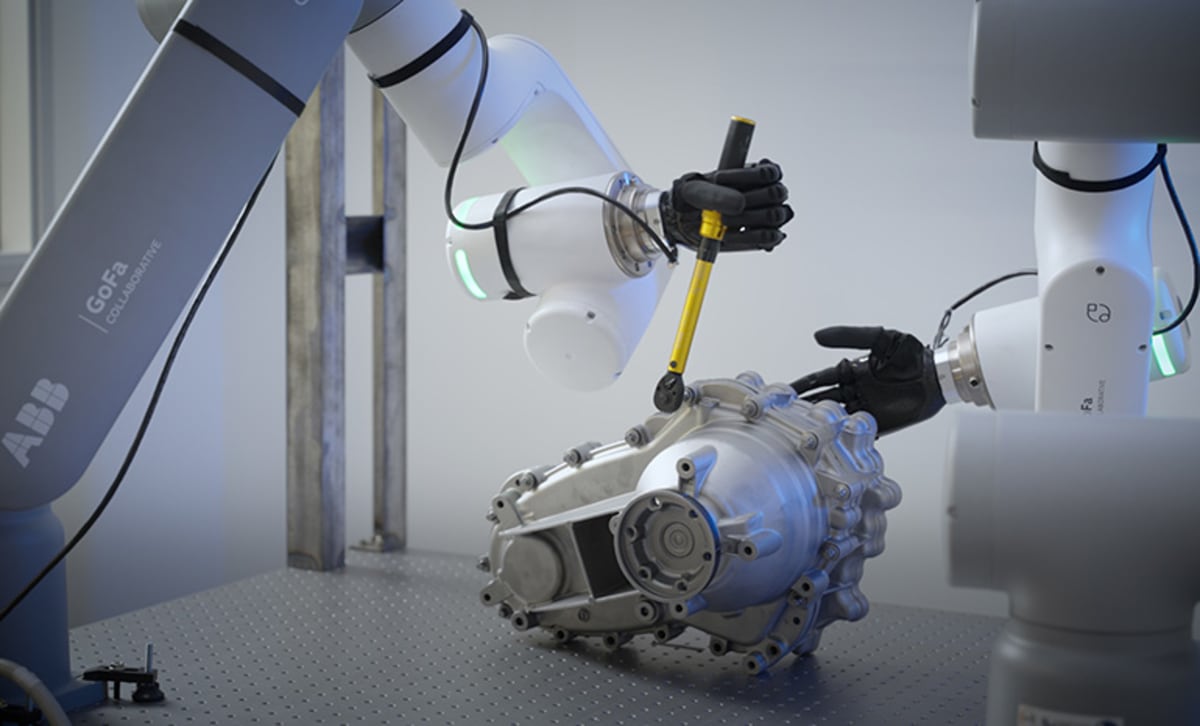
The technology is already being tested on tasks like using torque wrenches on car engines and handling deformable objects in assembly lines. What started as a mission to restore independence to amputees is now revolutionizing how robots work alongside humans in factories worldwide.
More Images

Based on reporting by The Robot Report
This story was written by BrightWire based on verified news reports.
Spread the positivity!
Share this good news with someone who needs it