Robot Completes First Full Cataract Surgery on Human
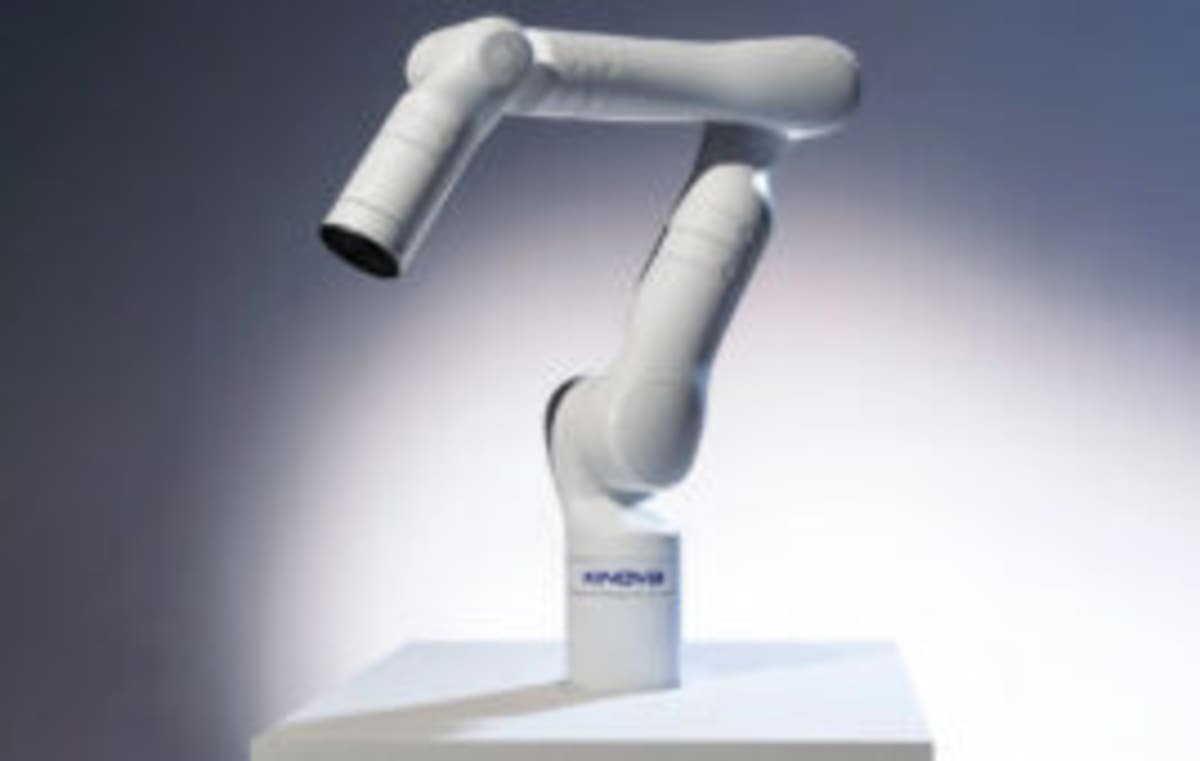
A surgical robot called JASPER just performed the world's first fully robotic cataract surgery from start to finish, opening doors to help millions facing the leading cause of blindness. The breakthrough could train surgeons faster and bring sight-saving procedures to far more patients.
📺 Watch the full story above
A surgical robot has successfully completed every step of a cataract surgery on a human patient for the first time, marking a turning point in treating the world's leading cause of blindness.
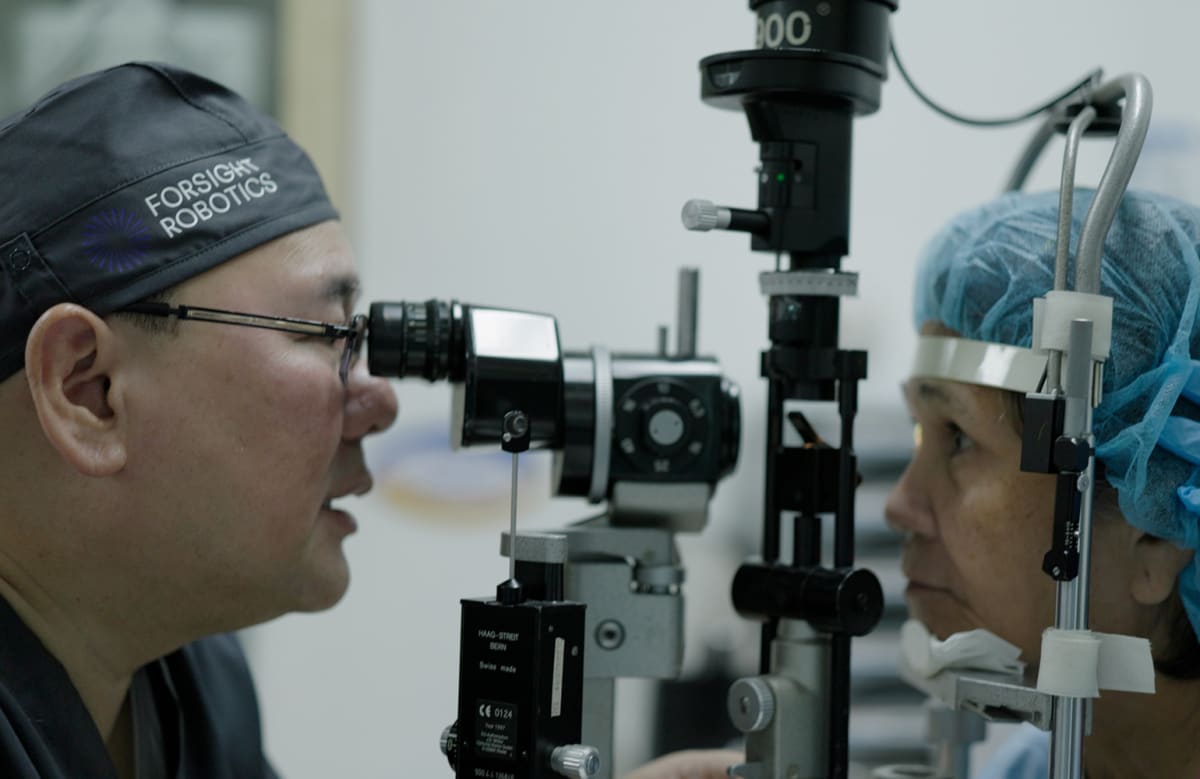
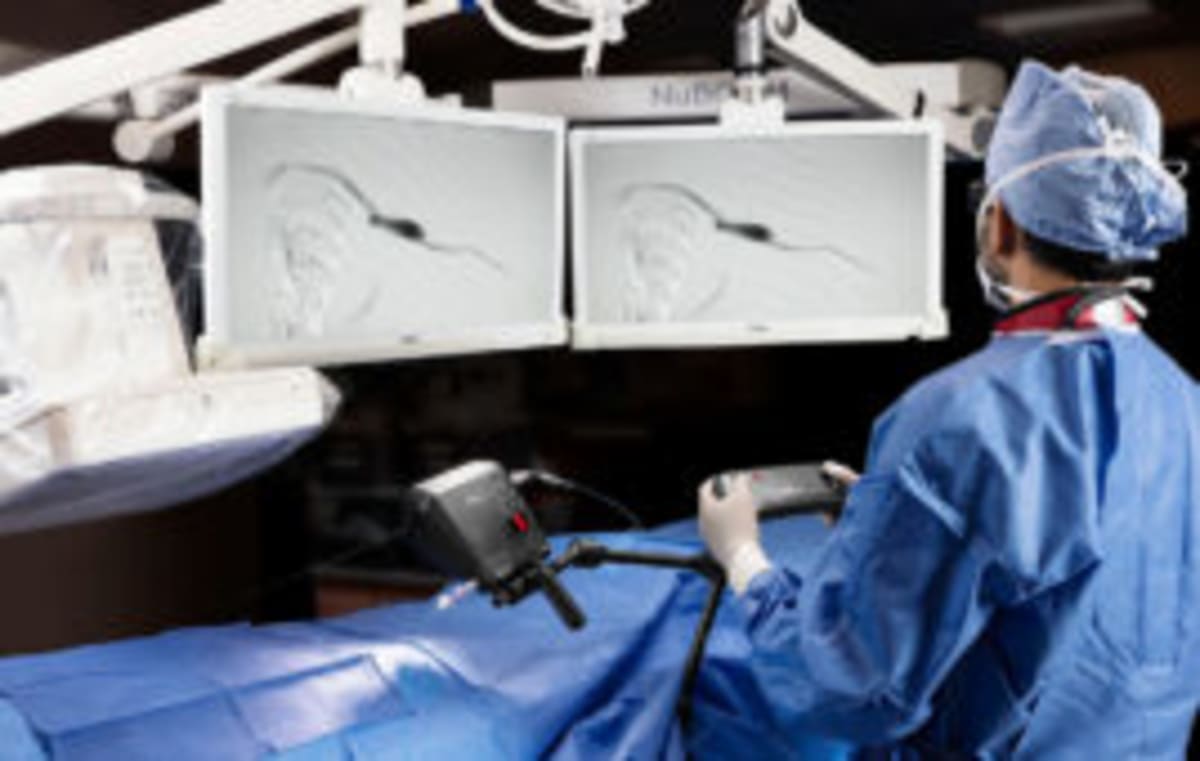
In April, ForSight Robotics' JASPER platform performed the groundbreaking procedure in Manila. Unlike previous robotic eye surgeries that only handled partial tasks, JASPER guided the entire operation from the first incision to closure while a skilled surgeon maintained full control.
The achievement matters because the world faces a critical shortage of surgeons trained to perform these delicate procedures. Cataracts remain the most common surgical procedure in all of medicine, yet there aren't enough skilled hands to meet demand.
Dr. Joseph Nathan, ForSight's co-founder and chief medical officer, saw this gap firsthand during his career as an eye surgeon. "The movements are very delicate," he explained. "We have this huge gap between the number of surgeons and the surge in patients."
Eye surgery presents unique challenges that kept robots out for decades. The eye measures just one inch from front to back, and its transparent tissue requires precision far beyond what larger surgical robots handle.
JASPER solves this with advanced imaging and motion scaling that reduce surgeon fatigue and bring consistency to every procedure. The AI-assisted platform prevents mistakes without operating autonomously, keeping surgeons in command while enhancing their natural abilities.
The Ripple Effect
The robot could transform surgical training and career longevity. Over two-thirds of eye surgeons report musculoskeletal issues from the demanding work, and 15% end their careers early due to poor ergonomics.
JASPER's comfortable setup and consistent performance could bump novice surgeons to elite skill levels faster. Whether operating on their first or thousandth patient, surgeons maintain the same precision, potentially bringing quality care to underserved communities worldwide.
ForSight plans to seek U.S. regulatory approval over the next few years after building on momentum from its recent $125 million funding round. The Israel-based company is testing with surgeons across different geographies to optimize the platform for widespread use.
Millions of people waiting for cataract surgery may soon have more options to restore their sight.
More Images

Based on reporting by The Robot Report
This story was written by BrightWire based on verified news reports.
Spread the positivity!
Share this good news with someone who needs it