Robots Now Pick Warehouse Orders Without Any Human Help
A Massachusetts robotics company just deployed fully autonomous robots that can pick, pack, and organize warehouse inventory 24/7, reducing manual labor by 90%. The technology could solve the crushing labor shortages that have plagued supply chains since the pandemic.
📺 Watch the full story above
Warehouses are about to run themselves, and it's already happening in Columbus, Ohio.
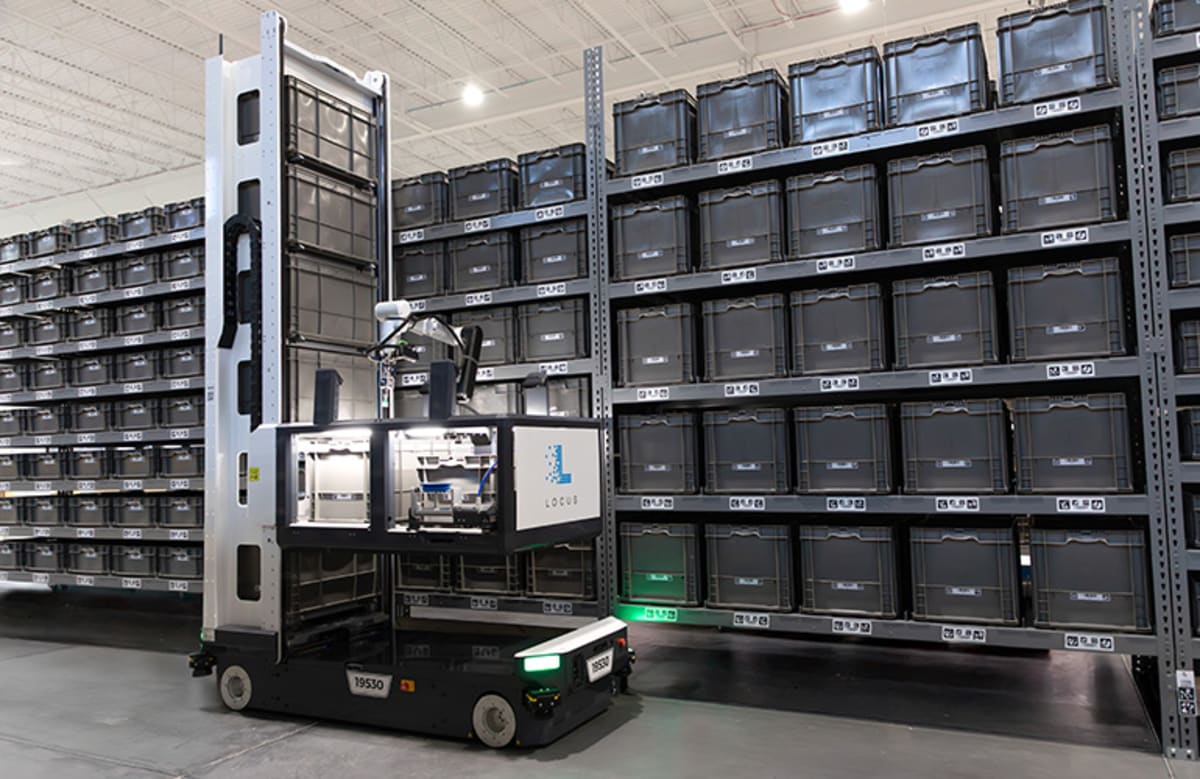
Locus Robotics just launched Array, a mobile robot that combines vision, AI, and a robotic arm to pick items off shelves without any human assistance. The system works around the clock, handling everything from grabbing products to organizing shipments, all while navigating warehouse aisles on its own.
The timing couldn't be better. Warehouses have struggled with labor shortages and rising costs since COVID-19 disrupted global supply chains. Traditional systems require constant human oversight and can't easily scale up during busy seasons or scale down when demand drops.
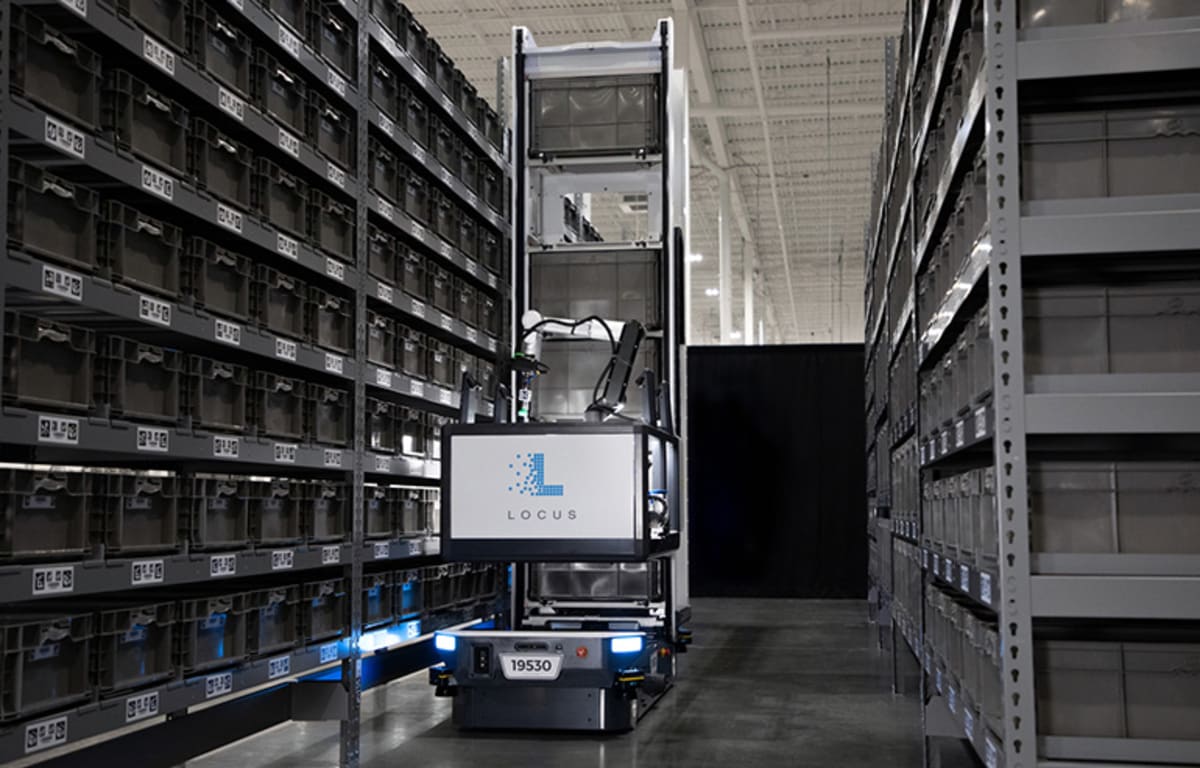
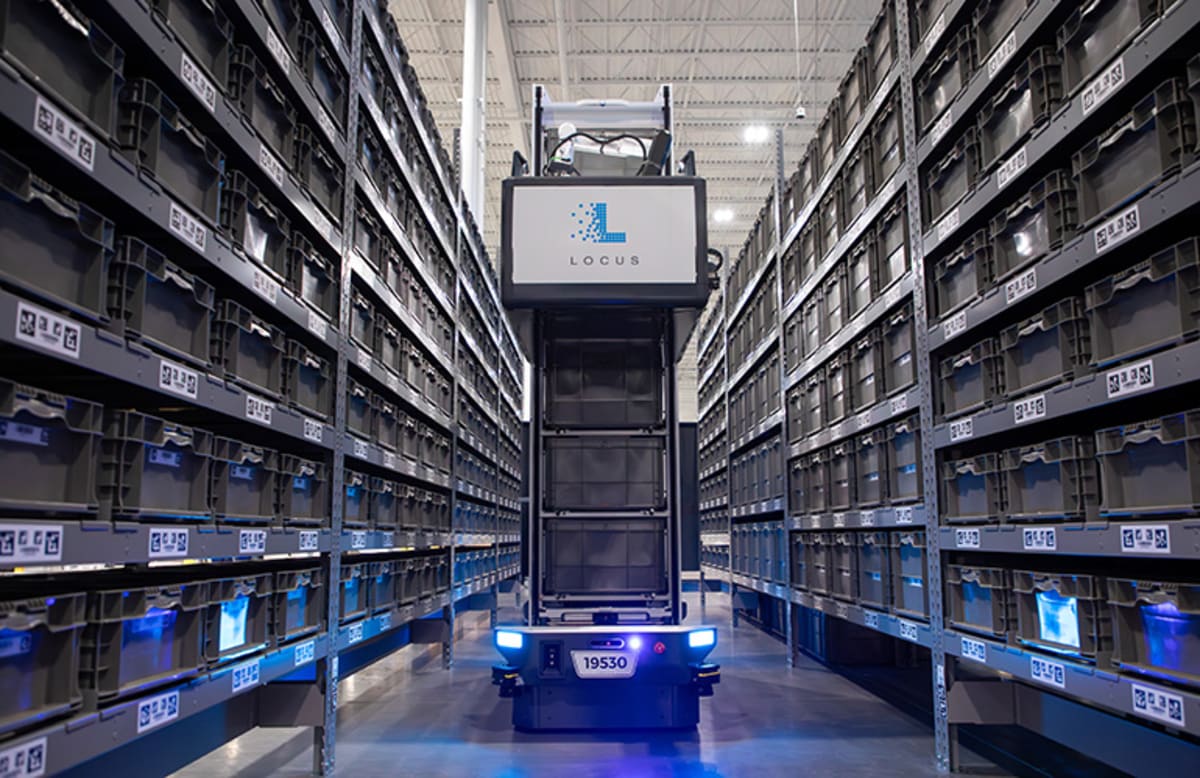
Array changes that equation. The robot can be deployed in weeks instead of months, works within existing warehouse layouts, and doesn't require facility redesigns or complex new infrastructure. It maneuvers within centimeters of shelving, picks items with precision, and coordinates with other robots to process orders in parallel.
Locus Robotics isn't new to the game. The company emerged in 2012 after Amazon bought Kiva Systems and pulled those robots off the market for its own use. Starting as a third-party logistics provider, Locus built on that experience to create robots that have now assisted with over 6 billion picks across 350 facilities in 20 countries.
Their customer list tells the scale story. Sixty percent of medical supplies like artificial knees now use Locus robots for next-day shipping to healthcare facilities across America. DHL Supply Chain just completed 1 billion picks using Locus systems and became one of the first to deploy Array.
The Ripple Effect
This technology represents more than warehouse efficiency. It's solving a human problem by taking over the physically demanding, repetitive tasks that have become nearly impossible to staff consistently.
Workers won't disappear from warehouses, but their roles will shift. Instead of walking miles daily to grab individual items, they can focus on problem-solving, quality control, and managing the systems that keep goods flowing to where people need them.
The robots-to-goods model that Array pioneered means inventory stays put while smart machines do the traveling. If power fails or something goes wrong, warehouses can still operate manually. The system adapts to changing layouts and product types without requiring workflow overhauls.
Locus plans to expand Array across Europe and Asia-Pacific next, bringing this level of automation to supply chains worldwide. After a decade of development and 17,000 robots deployed, the company has proven the technology works at scale, not just in controlled lab settings.
The warehouse that runs itself isn't science fiction anymore—it's operating in Ohio right now, picking orders while you sleep.
More Images

Based on reporting by The Robot Report
This story was written by BrightWire based on verified news reports.
Spread the positivity!
Share this good news with someone who needs it