Scientists Create Flexible Force Fields for Moon Missions
Researchers at Georgia Tech have developed bendable shields that repel lunar dust using electric fields, solving one of the biggest challenges for future moon bases. The Star Trek-style technology could protect everything from solar panels to habitats.
📺 Watch the full story above
Imagine protecting a moon base with invisible shields like something out of Star Trek, and you're pretty close to what scientists just made real.
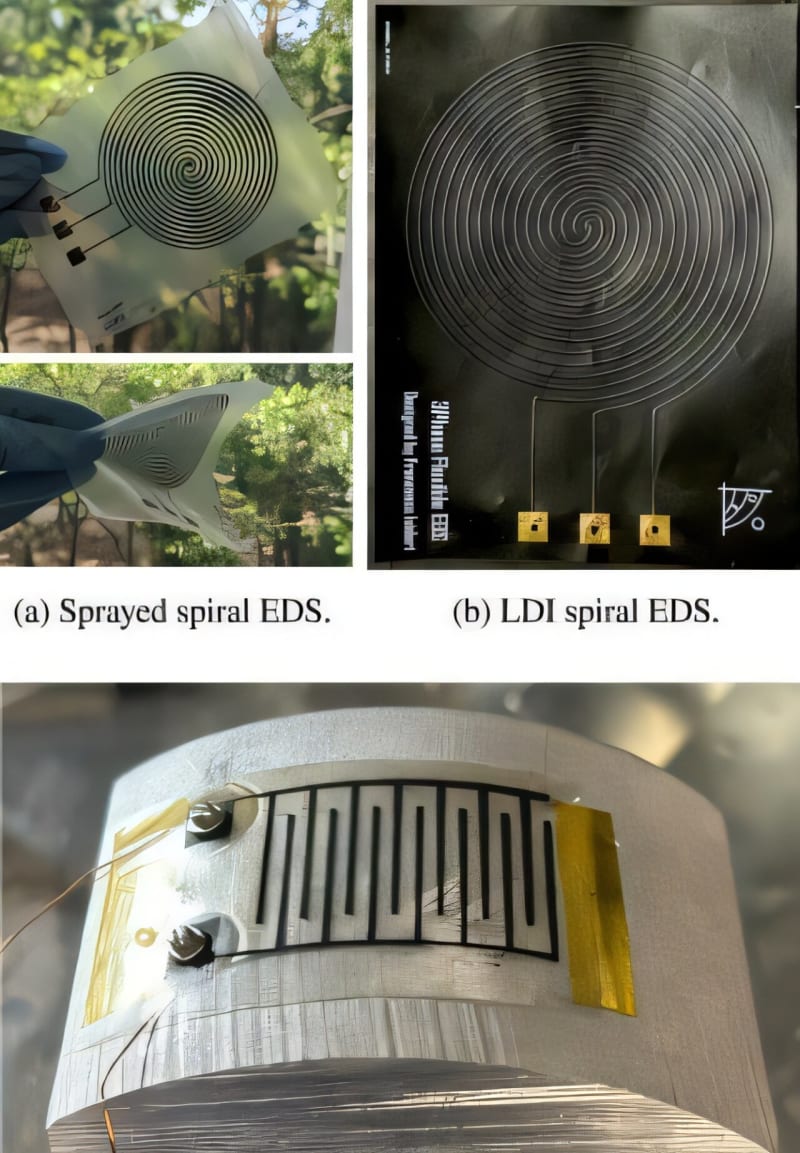
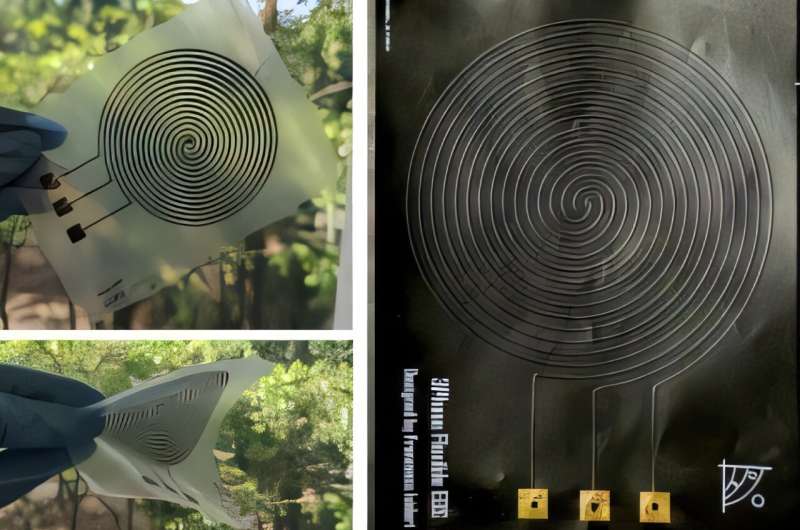
Researchers at Georgia Tech have created flexible force fields called Electrodynamic Dust Shields that can curve around equipment and zap away the moon's biggest menace: dust. Unlike Earth dust, lunar dust is jagged, clingy, and dangerous enough to damage solar panels and harm astronaut lungs.
The shields work by creating electric fields that push charged particles away from surfaces. Previous versions only worked on flat areas, but these new designs can bend and flex to protect curved surfaces like rover wheels or habitat domes.
The team tested two materials in conditions mimicking the moon's environment. Copper-based shields removed over 90% of settled dust when charged with high voltage, while a newer material made from modified graphene managed 60% removal. Both kept nearly all dust away when actively preventing buildup, which matters most for long-term protection.
Francesco Pacelli and Alvaro Romero-Calvo led the research, testing their shields in a chamber with pressure ten billion times lower than Earth's atmosphere. They blasted lunar dust simulants with ultraviolet light to mimic conditions astronauts will face on the moon's surface.
The copper version works great but can crack after repeated bending. The graphene-based alternative handles bending much better, making it perfect for equipment that moves or experiences the moon's extreme temperature swings between day and night.
Why This Inspires
This breakthrough moves us closer to sustainable moon bases that seemed like science fiction just years ago. NASA already sent a dust shield system on Firefly's Blue Ghost mission to test the technology directly on the lunar surface.
Both America and China have ambitious moon missions planned for the coming years. These flexible shields could cover habitats, rovers, and scientific equipment, protecting billion-dollar investments and keeping astronauts safe from one of space's sneakiest hazards.
The research proves we're not just dreaming about returning to the moon anymore. We're solving the practical, gritty problems that will let humans actually live and work there, turning yesterday's impossible into tomorrow's routine.
More Images

Based on reporting by Phys.org
This story was written by BrightWire based on verified news reports.
Spread the positivity!
Share this good news with someone who needs it