Scientists Find New Meteor Shower From Crumbling Asteroid
Thousands of automated cameras across the globe just helped scientists discover a brand new meteor shower created by an asteroid breaking apart near the Sun. This breakthrough reveals how space rocks behave and could help protect Earth from future threats.
📺 Watch the full story above
Every night, thousands of cameras around the world point skyward, waiting to capture shooting stars. What they're recording is helping scientists unlock mysteries about our solar system, one meteor at a time.
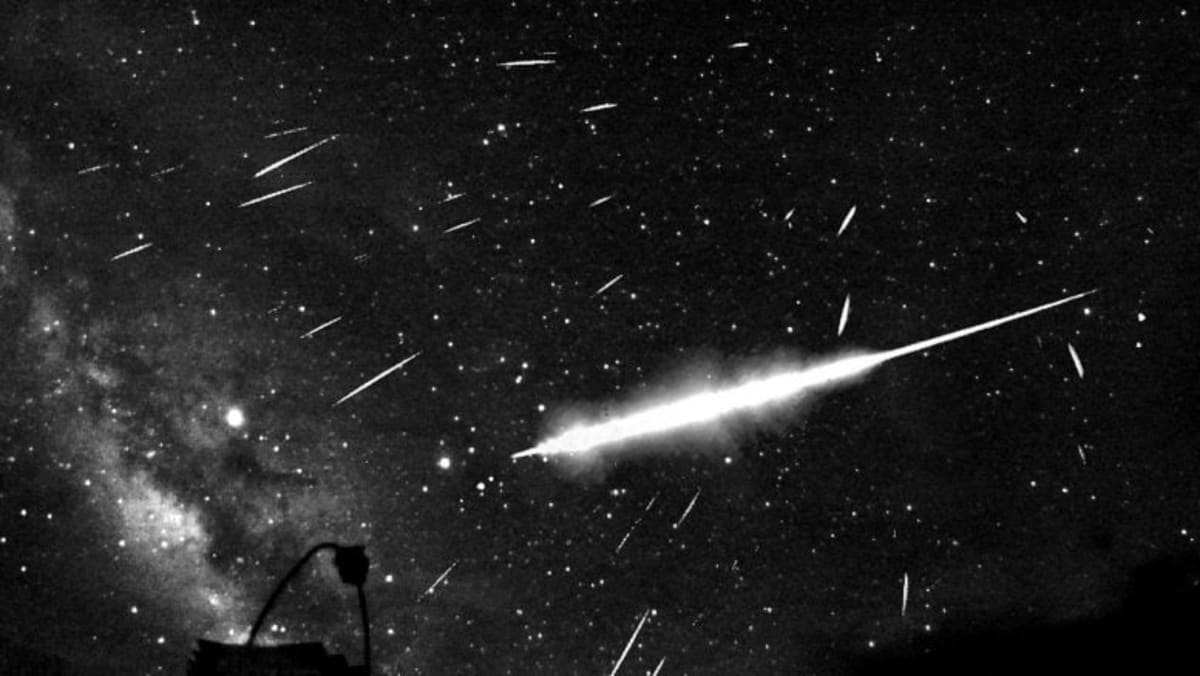
Researchers just announced the discovery of a small, recently formed meteor cluster after searching through millions of observations from camera networks in Canada, Japan, California, and Europe. The 282 meteors in this cluster tell the story of an asteroid that ventured too close to the Sun and started falling apart.
When a sand-sized piece of space rock slams into our atmosphere at over 15 miles per second, it heats up instantly and glows. That brief flash we call a meteor lasts just a fraction of a second before the fragment completely vaporizes.
Most meteors come from comets, those icy "dirty snowballs" from the outer solar system that release tons of dust as they pass the Sun. But asteroids are different. They're dry, rocky leftovers from when our solar system formed, and they don't typically shed material the way comets do.
That's what makes this discovery special. Scientists are witnessing what they call an "active asteroid" being baked apart by intense solar heat. The asteroid released dust and larger fragments during close passes with the Sun, and those pieces spread out along its orbit over time, creating the meteor stream Earth now passes through.
Why This Inspires
This discovery shows how everyday technology and patient observation can reveal cosmic secrets hiding in plain sight. The same camera networks that caught this breaking asteroid also help scientists better understand how space objects change over time and potentially threaten Earth.
Finding new meteor showers gives researchers another tool for detecting asteroids that might otherwise remain hidden. Unlike telescope searches that look for fuzzy tails around space rocks, meteor observations can reveal activity that happened years or even decades ago.
The newly confirmed meteor stream acts like a cosmic breadcrumb trail, pointing scientists toward an asteroid they might never have known was shedding material. Each meteor fragment carries clues about what happens when space rocks get too close to the Sun's intense heat.
Understanding how asteroids break apart doesn't just satisfy curiosity. It helps planetary defense efforts predict which near-Earth objects might pose risks and how they might behave during close approaches to our planet.
This invisible asteroid, now revealed through its glowing debris, reminds us that patient sky watchers are quietly keeping tabs on our cosmic neighborhood, one shooting star at a time.
More Images


Based on reporting by Google News - Scientists Discover
This story was written by BrightWire based on verified news reports.
Spread the positivity!
Share this good news with someone who needs it