Scientists Recreate 165 Million-Year-Old Insect Songs
Researchers have reconstructed the mating calls of Jurassic grasshoppers using fossilized wings, revealing Earth's oldest sound ever reproduced. The discovery shows that 165 million years ago, the prehistoric world was far richer in sound than anyone imagined.
📺 Watch the full story above
Scientists just played us the soundtrack of the dinosaur age, and it's buzzing with life.
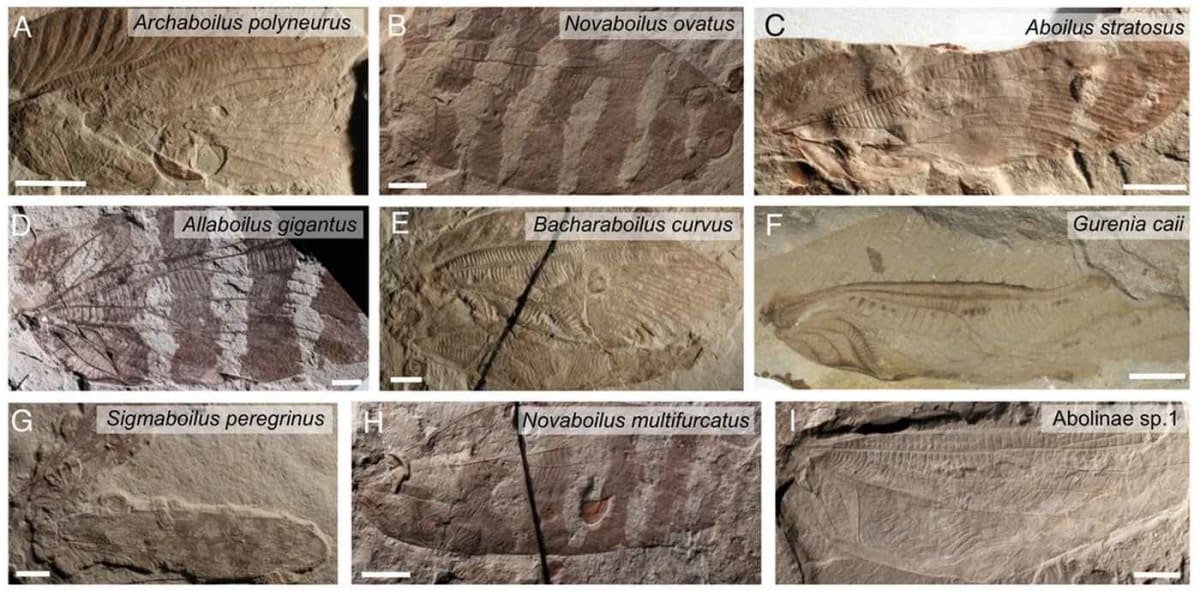
Researchers led by Thorin Jonsson from the University of Graz have recreated the actual sounds that grasshoppers and crickets made 165 million years ago during the Jurassic period. Using incredibly well-preserved fossils from Inner Mongolia, the team reconstructed nine different species' mating calls, making this the oldest sound ever reproduced in human history.
The breakthrough came from fossils that were so perfectly preserved, scientists could see the tiny teeth and ridges on ancient insect wings. When grasshoppers and crickets rub these structures together, they create chirping sounds called stridulations.
Think of it like reading ancient sheet music. The physical features on fossilized wings act as musical notation, telling scientists exactly what pitch and rhythm each species would have produced. Using AI and sophisticated simulations, the team calculated the precise frequency in hertz that each insect chirped at millions of years ago.
The results reveal a surprisingly diverse soundscape. Some species produced low, pure tones like modern crickets. Others chirped at higher frequencies similar to today's leafhoppers.
One species shocked everyone. A katydid relative called Sigmaboilus peregrinus communicated in ultrasonic frequencies between 20 and 22 kilohertz, just above what humans can hear.
This discovery challenges what scientists thought they knew about insect evolution. Researchers previously believed insects only developed ultrasonic calls to hide from bats with their incredibly sensitive hearing. But these Jurassic insects lived millions of years before bats even existed.
The team now theorizes the high-frequency calls served other purposes. Male insects might have used ultrasonic pitches to stand out from the noisy jungle chorus during mating season. Or they could have been avoiding detection by other prehistoric predators we don't yet know about.
Why This Inspires
This research reminds us that innovation often comes from listening to voices we thought were lost forever. By combining cutting-edge AI with paleontology, scientists are literally making the ancient world sing again. The study opens doors to understanding how complex communication evolved long before humans walked the Earth, showing that even in fossils millions of years old, there are still songs waiting to be heard.
The Jurassic period wasn't just about thundering dinosaur footsteps and roaring predators. It was a symphony of life, with countless insects filling the night air with their calls, just as they do today.
More Images

Based on reporting by Good News Network
This story was written by BrightWire based on verified news reports.
Spread the positivity!
Share this good news with someone who needs it