Smart Fabric Lifts 400x Its Weight, Makes Robot Clothes Real
Scientists just solved a major puzzle in wearable robotics by rethinking how metal threads are woven together. A fabric weighing less than a nickel can now lift over two pounds while staying flexible enough to wear.
📺 Watch the full story above
Imagine a shirt sleeve that could help you lift groceries or medical compression gear that works without batteries. That future just got a lot closer thanks to Swiss researchers who cracked the code on super-strong robotic fabric.
Scientists at EPFL in Switzerland discovered that the secret isn't better materials. It's all about geometry. By changing how thin metal threads cross each other in fabric, they created a textile that punches way above its weight class.
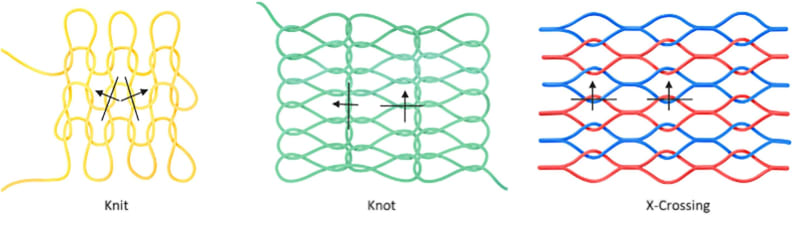
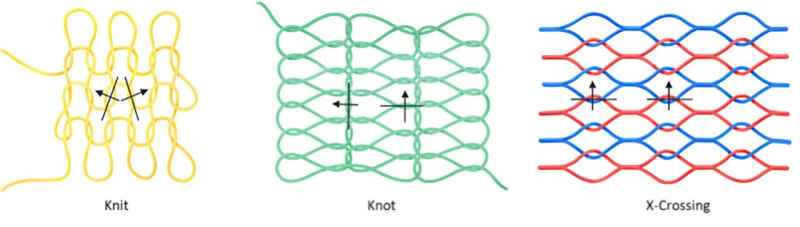
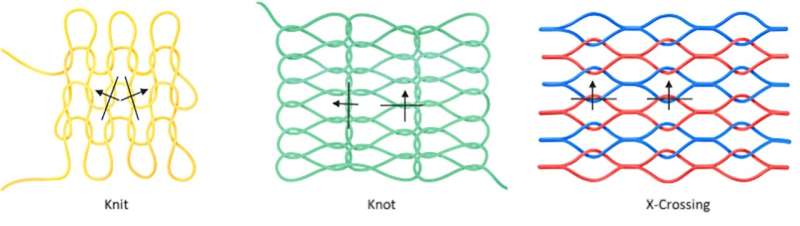
The breakthrough centers on shape memory alloy fibers, made from nickel and titanium, that contract when heated with electricity. Previous attempts to weave these smart fibers into clothing hit a frustrating wall. In regular knits, the fibers looped around each other in different directions, so their forces fought against each other instead of working together.
The EPFL team solved this by developing what they call X-Crossing geometry. Every single fiber crossing aligns precisely in the direction you want the fabric to move. Instead of canceling each other out, the fibers cooperate seamlessly.
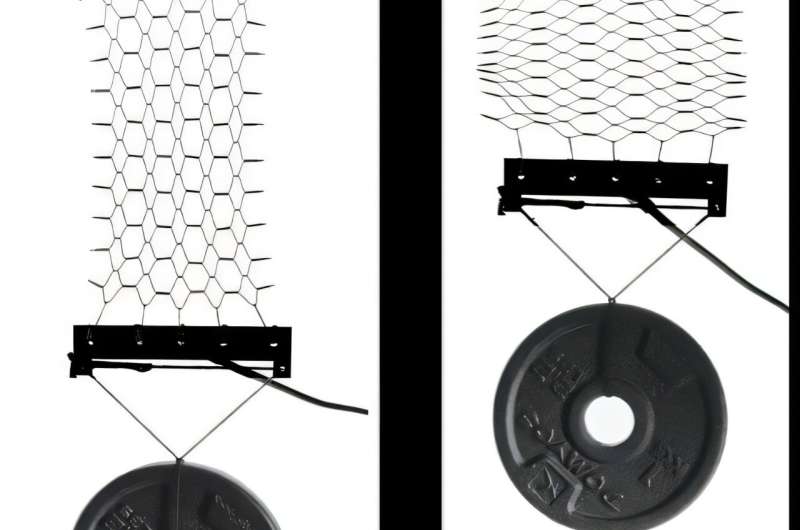
The results are stunning. A piece of this fabric weighing just 4.5 grams can lift one kilogram when it contracts by half. That's like a sugar packet lifting a liter of water.
Even better, the fabric stretches to 160% of its original length, making it comfortable and easy to wear. This combination of strength and flexibility has always been the holy grail of wearable robotics.
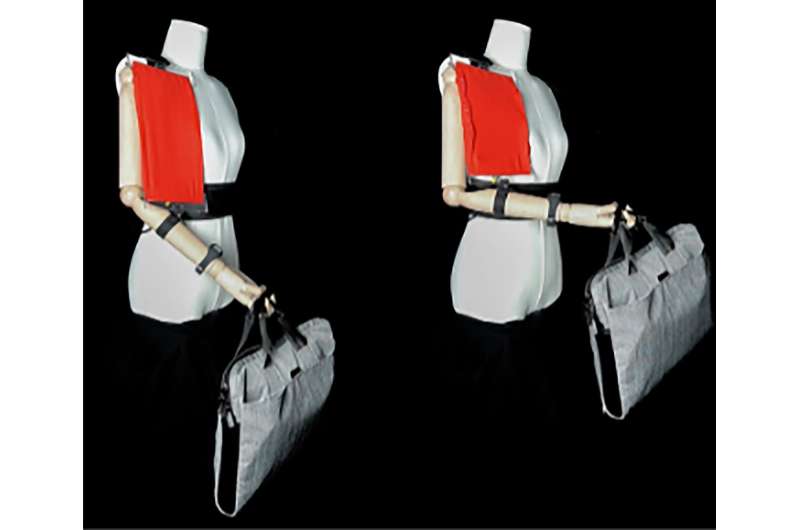
To prove it works in real life, the team built two prototypes. The first was a sleeve that helped a mannequin's arm lift a one-kilogram bag through 30 degrees of motion smoothly and naturally. The second demonstrated medical compression that stays active without draining power.
The Ripple Effect
This discovery opens doors that seemed locked just months ago. People recovering from injuries could wear shirts that assist weak muscles during physical therapy. Elderly individuals could maintain independence longer with garments that provide gentle support for daily tasks like reaching or lifting.
Athletes might benefit from compression gear that adapts in real time. Factory workers could reduce strain during repetitive tasks. The applications multiply because the technology hides inside ordinary-looking clothing.
Professor Herbert Shea, who led the research, points out a game-changing advantage. Once the fabric contracts, it holds compression pressure at zero energy cost. No batteries slowly dying. No need to plug in overnight.
The team also developed mathematical models that predict exactly how much force their fabrics will generate under different conditions. This means other researchers and engineers can now design their own applications without starting from scratch.
While bulky exoskeletons and rigid robotic assistants have struggled with social acceptance, nobody needs to know you're wearing smart fabric. It looks like clothing because it is clothing, just with superpowers woven in.
The age of practical, comfortable robotic clothing is no longer science fiction.
More Images
Based on reporting by Phys.org - Technology
This story was written by BrightWire based on verified news reports.
Spread the positivity!
Share this good news with someone who needs it