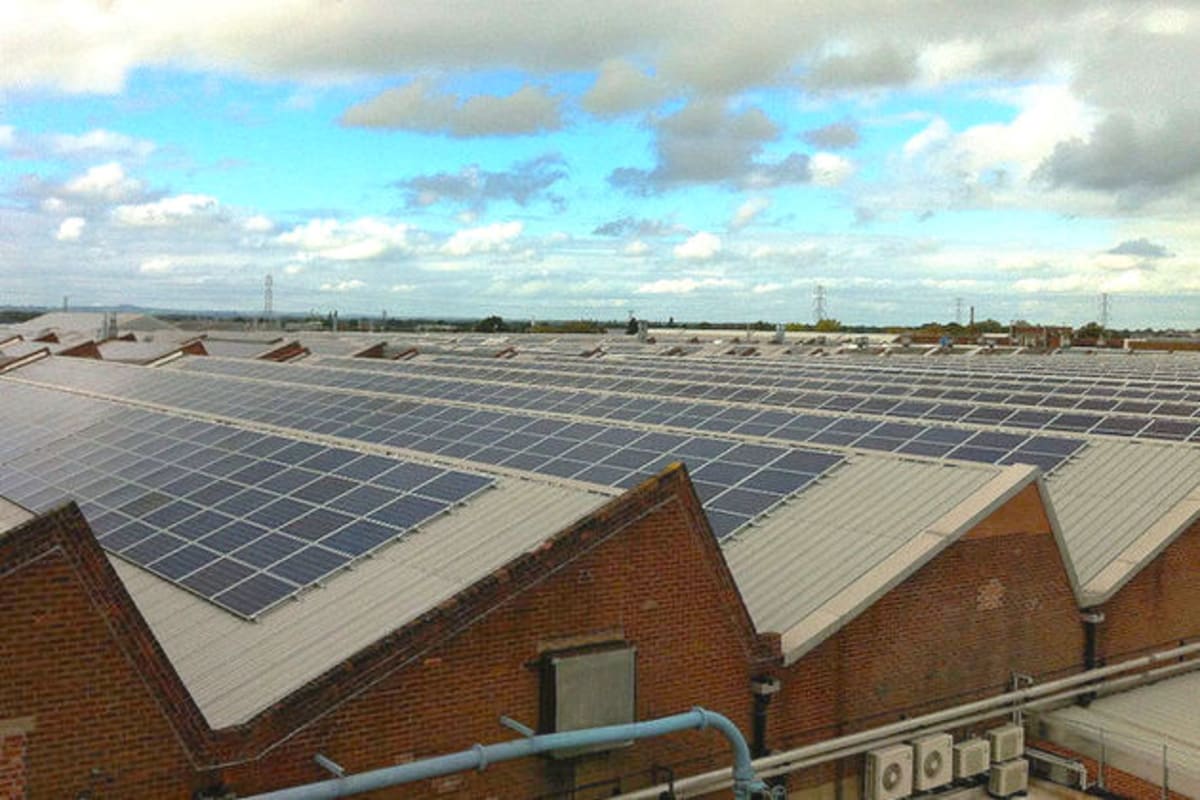
Solar Power Hits 9,000 GW by 2030, Cuts Coal Worldwide
The sun just became humanity's fastest-growing power source, with global solar capacity set to meet over 20% of the world's energy needs by 2030. Countries from China to Pakistan are slashing coal use as solar prices drop to just pennies per kilowatt-hour.
📺 Watch the full story above
The clean energy revolution just hit a milestone that seemed impossible a decade ago.
Solar power is growing so fast that global capacity could reach 9,000 gigawatts by 2030, enough to power more than one-fifth of humanity's entire energy demand. Even better news? The cost has plummeted to around 1 cent per kilowatt-hour in sunny regions, making it the cheapest electricity option on the planet.
China leads the charge, installing 315 gigawatts of solar panels in 2025 alone. That brought the country's total capacity to 1,300 gigawatts, with solar now providing 11% of China's electricity. Coal use dropped from 70% to 56% over the past decade as renewables took over.
The European Union ranks second with 406 gigawatts of solar capacity, supplying 13% of electricity demand. Coal now provides just 9% of EU power, down from 25% in 2015. Greece, Cyprus, Spain, and Hungary are leading the way, each generating more than 20% of their electricity from sunshine.
The United States holds third place with 267 gigawatts of solar capacity, meeting about 8% of total electricity demand. American coal power dropped from 34% in 2015 to just 17% in 2025, even with political headwinds against renewables.
Developing nations are seeing the biggest transformations. Pakistan went from less than 1% solar power in 2015 to 20% today. South Africa jumped to 10%. Brazil now gets 88% of its power from renewable sources, with solar contributing 10%.
The economics tell the story. Solar costs between 1 and 5 cents per kilowatt-hour depending on location. Nuclear power costs 14 to 49 cents. Coal runs 15 to 29 cents. Natural gas falls between 15 and 33 cents.
The Ripple Effect
The shift to solar does more than cut emissions. It frees countries from dependence on imported fossil fuels that require constant extraction, processing, and transportation. Every solar panel installed means decades of free fuel from the sun, with savings flowing directly to consumers instead of fossil fuel company profits.
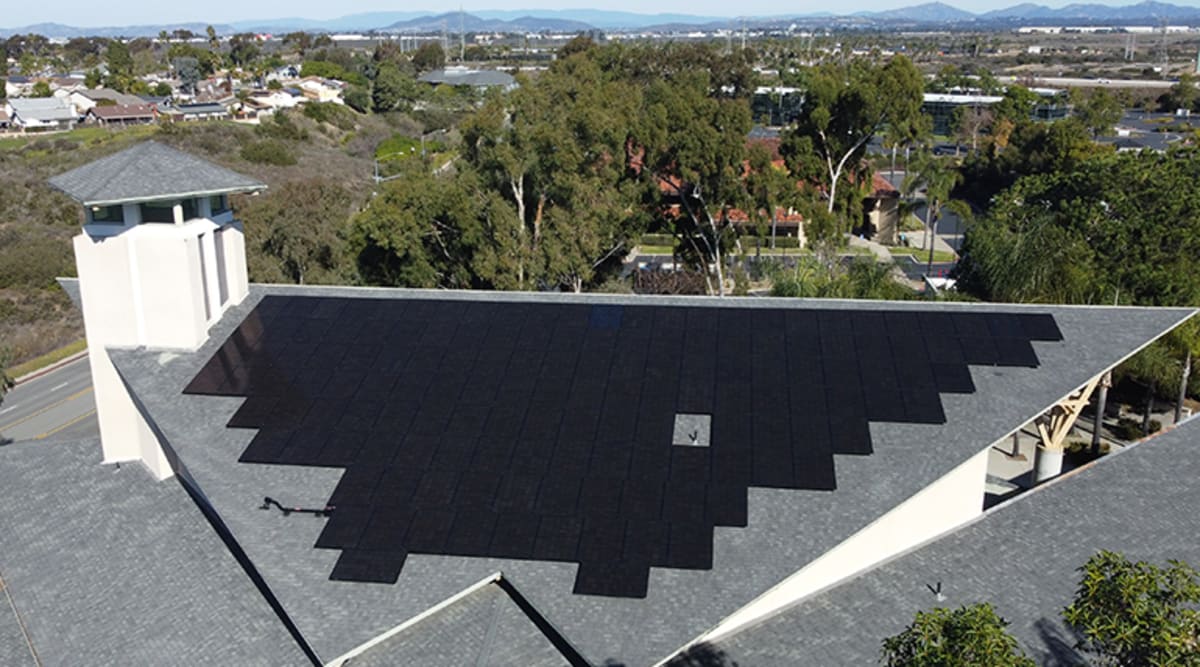
Communities that install solar panels lock in electricity costs for 25 years or more. That stability helps families budget, businesses plan, and entire economies grow without the price shocks that come with global fuel markets.
The world is proving that abundant, affordable, clean energy isn't a distant dream but today's reality, one solar panel at a time.
More Images
Based on reporting by CleanTechnica
This story was written by BrightWire based on verified news reports.
Spread the positivity!
Share this good news with someone who needs it