Stanford Discovers Self-Exploding Cells That Kill Tumors
Scientists at Stanford just found cells in flatworms that literally explode to destroy harmful cells around them, opening a potential new path to fighting cancer. These "ruptoblasts" could one day help our immune systems target tumors directly.
📺 Watch the full story above
Imagine tiny cellular bombs that sacrifice themselves to take out cancer cells. Stanford researchers just discovered exactly that in a humble flatworm, and it could change how we fight disease.
The team found special cells called "ruptoblasts" in Mediterranean flatworms that undergo explosive cell death within minutes. When triggered, just one of these cells releases powerful toxins that can kill dozens of surrounding cells, making them the most explosive form of cell death scientists have ever seen.
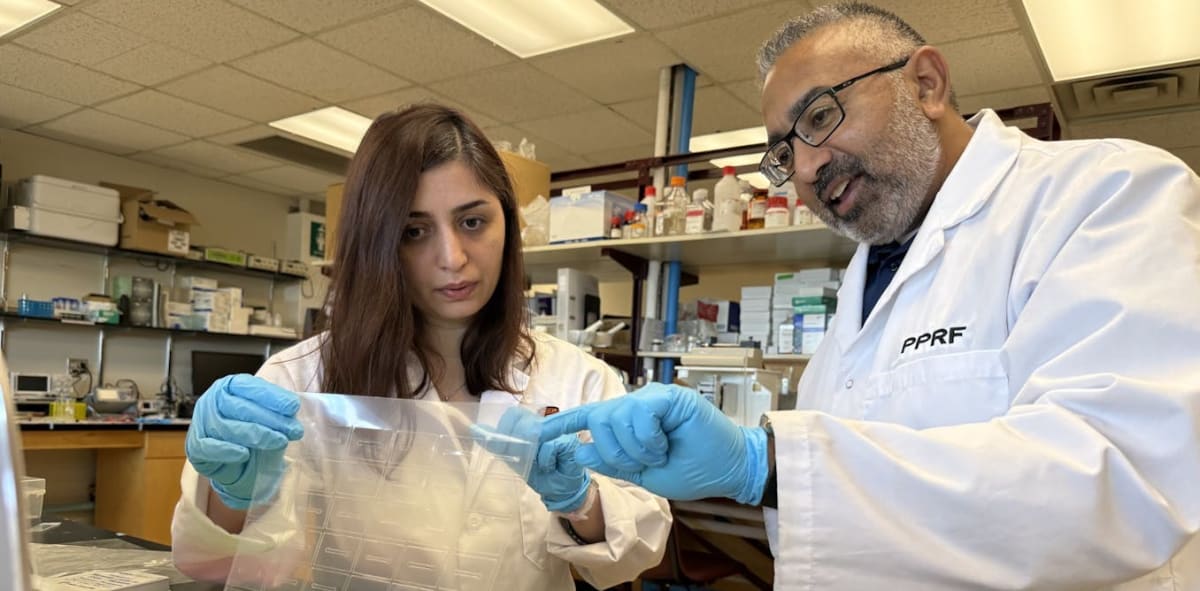
"It literally just vanished and exploded within a few minutes," said Chew Chai, a postdoctoral researcher at Stanford's Wang Lab. "It's almost like it sacrificed itself to kill cells nearby."
The flatworms use these explosive cells to fight off bacteria and maintain their remarkable regeneration abilities. These creatures can fully regrow their bodies after being cut apart and even sprout multiple heads at once.
The researchers discovered that a hormone called activin triggers the ruptoblasts to detonate. High levels of this hormone cause the cells to release cytotoxins, the same compounds found in cobra venom that are already used in some chemotherapy treatments.
Why This Inspires
This discovery arrived completely by accident while studying how flatworms regenerate. The speed and power of these exploding cells caught everyone off guard.
What makes this finding exciting is its potential to fight diseases that are hard to treat. Chai and his team are now working to understand how these cells explode so precisely and powerfully.
The big dream? Programming our own immune systems to perform the same trick. If scientists can teach human cells to undergo controlled ruptosis, they could directly attack tumors and treatment-resistant bacterial infections without harming surrounding healthy tissue.
The research represents a fundamentally new approach to medicine, inspired by nature's own microscopic kamikaze fighters.
More Images


Based on reporting by Google News - Scientists Discover
This story was written by BrightWire based on verified news reports.
Spread the positivity!
Share this good news with someone who needs it