UT Austin Unites 600+ Leaders to Build Ethical AI Future
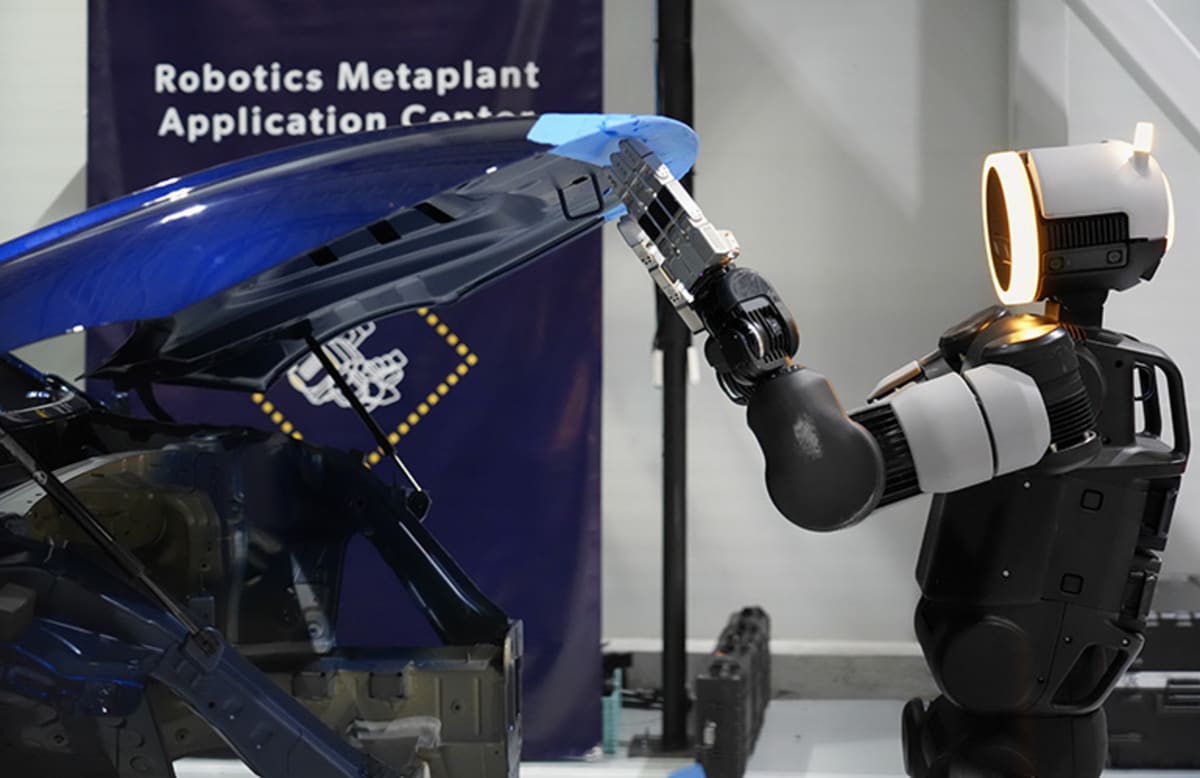
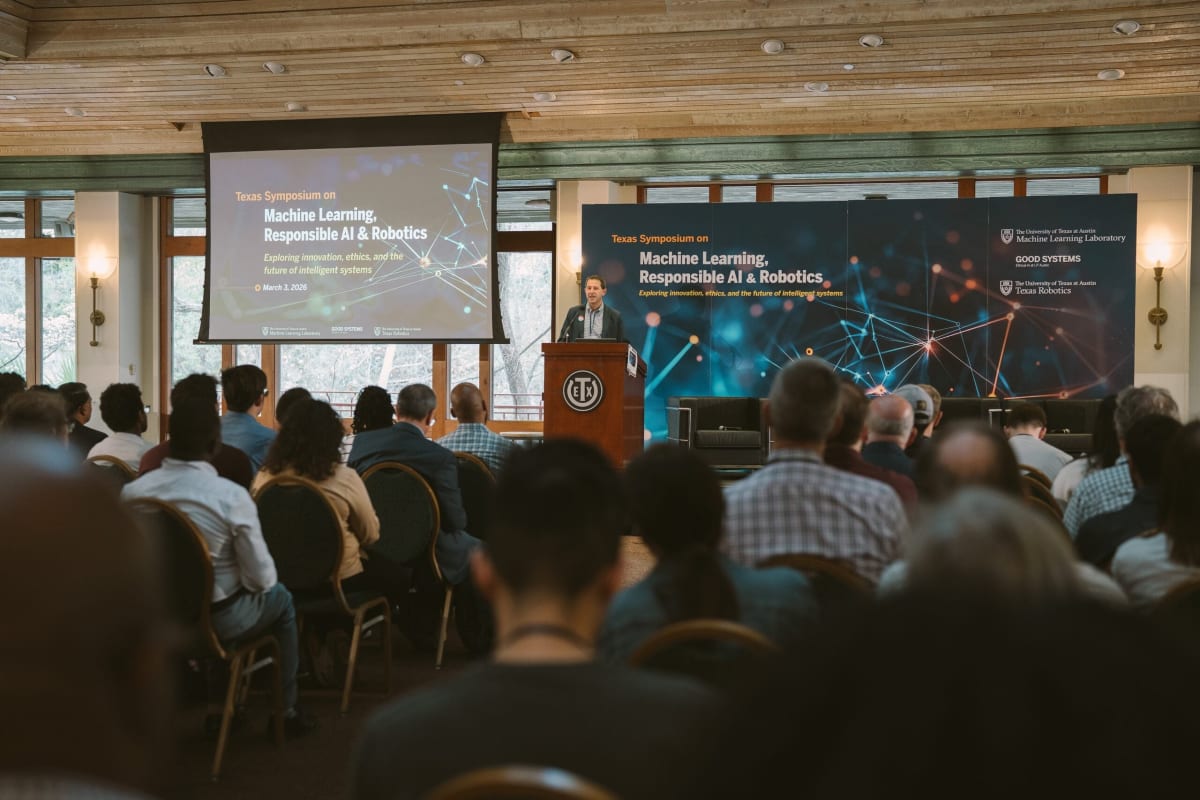
More than 600 experts from academia, industry, and government gathered at UT Austin to tackle the biggest questions facing artificial intelligence, robotics, and machine learning. Their mission: ensure these powerful technologies transform lives responsibly.
📺 Watch the full story above
The University of Texas at Austin just brought together 600 leaders to answer a critical question: How do we build AI that actually helps humanity?
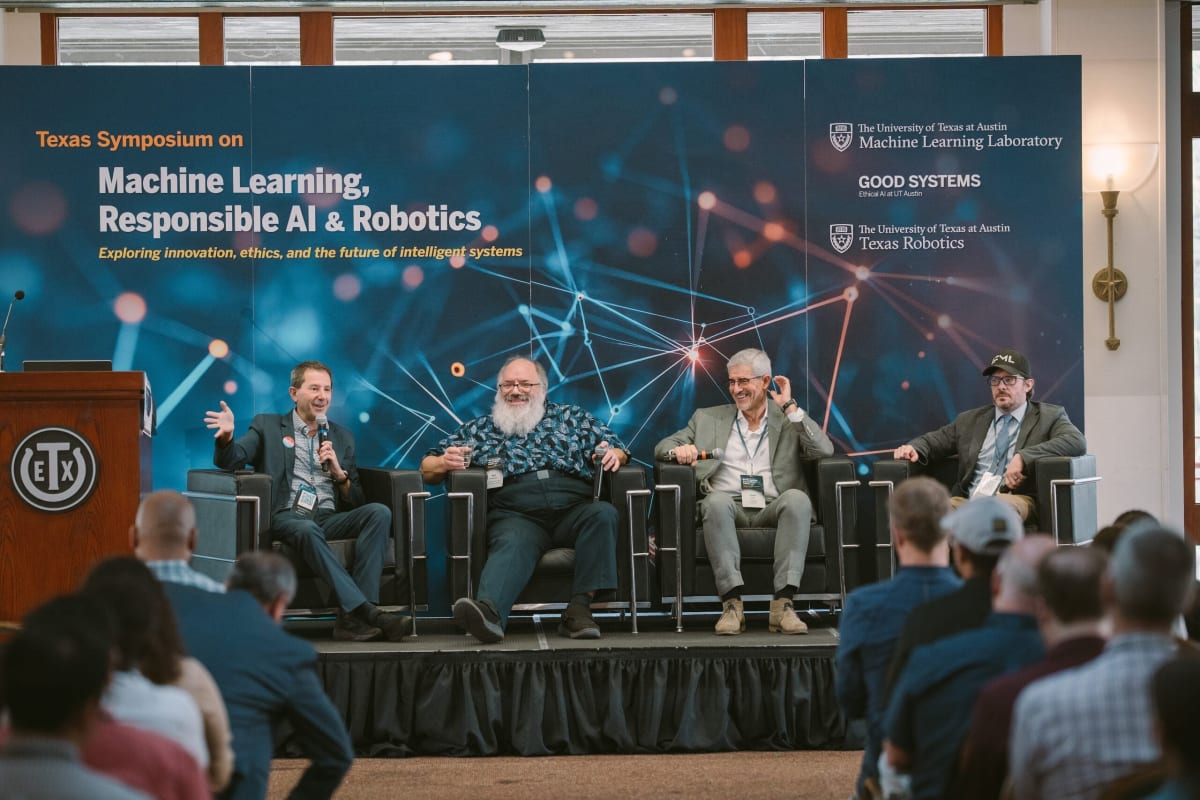
The inaugural Texas Symposium on Machine Learning, Responsible AI, and Robotics united researchers, tech companies, government officials, and nonprofits for two days of collaboration. Together, they explored everything from AI's impact on jobs to robotic surgery advances to keeping data collection fair and transparent.
What made this gathering special was its focus on ethics alongside innovation. While AI companies race to develop more powerful tools, UT researchers are asking the harder questions about human agency, responsibility, and values.
"We have the opportunity to choose what technology we build and shape it so the positives outweigh the negatives," said Peter Stone, Computer Science department chair. "I'm optimistic that's possible."
The timing couldn't be better. UT's upcoming digitally enabled hospital will integrate AI and robotics from the ground up, creating a real world laboratory for responsible innovation. Meanwhile, the university's Machine Learning Lab is training frontier size AI models using the largest academic computing cluster in the country.
Alice Xiang from Sony AI shared groundbreaking work on ethical data collection. Her team's image dataset pays contributors, gets their consent, and lets them opt out anytime. It's proof that companies can innovate without exploiting people's data.
The Ripple Effect
The symposium revealed powerful consensus across sectors. Industry leaders, professors, and government officials all agreed: collaboration beats competition when building technology that affects everyone.
Critical thinking and creativity emerged as essential skills for navigating an AI powered world. As machines handle more routine tasks, uniquely human abilities become more valuable, not less.
Perhaps most importantly, the gathering showed that open source AI models help keep powerful companies accountable. When researchers can study and improve these models independently, innovation stays transparent and accessible.
UT's combination of cutting edge computing power, interdisciplinary collaboration, and ethical focus positions it to lead responsible AI development. The university isn't just asking what AI can do, but what it should do.
This symposium proved that building beneficial AI isn't just possible—it's already happening when the right people work together.
More Images


Based on reporting by Google: robotics innovation
This story was written by BrightWire based on verified news reports.
Spread the positivity!
Share this good news with someone who needs it