VCU Scientists Create Molecule That Hunts Hidden Cancer Cells
Researchers at Virginia Commonwealth University have developed G2.2, a sugar-based molecule that targets dormant cancer stem cells responsible for relapse. After a decade of work, the breakthrough could prevent cancer from returning in patients who thought they were cured.
📺 Watch the full story above
Imagine surviving cancer only to have it return years later, more aggressive than before. Scientists at Virginia Commonwealth University may have found a way to stop that heartbreak.
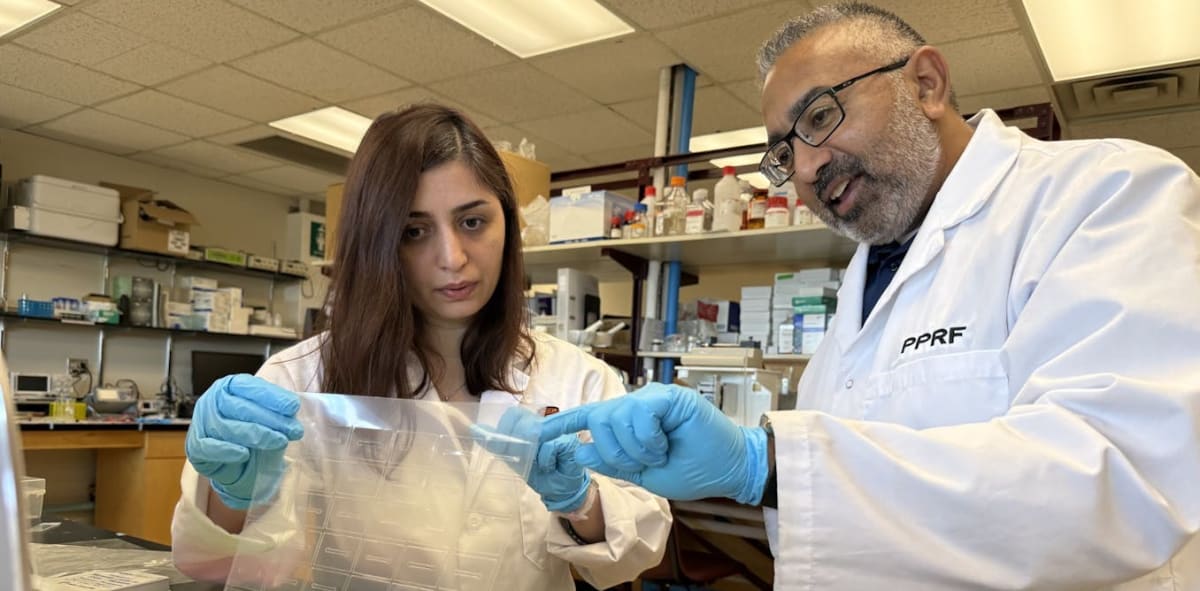
Dr. Umesh Desai and Dr. Bhaumik Patel have spent over a decade developing G2.2, a molecule that does something remarkable. It wakes up dormant cancer stem cells hiding in the body and then destroys them.
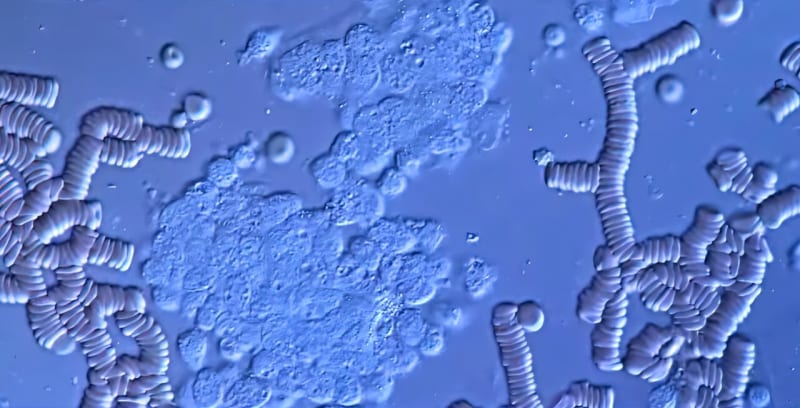
"Cancer stem cells are essentially like a hibernating bear," Desai explains. "Chemotherapy and radiation don't touch them because they're essentially hibernating."
These sleeping cells are why cancer comes back. Patients leave the hospital cancer-free, only to face relapse five or ten years later. Traditional treatments can't reach cells that aren't actively growing.
G2.2 changes the game entirely. The molecule mimics natural sugars found on cell surfaces and tricks cancer stem cells into waking up. Once active, the cells die through a pathway G2.2 triggers.
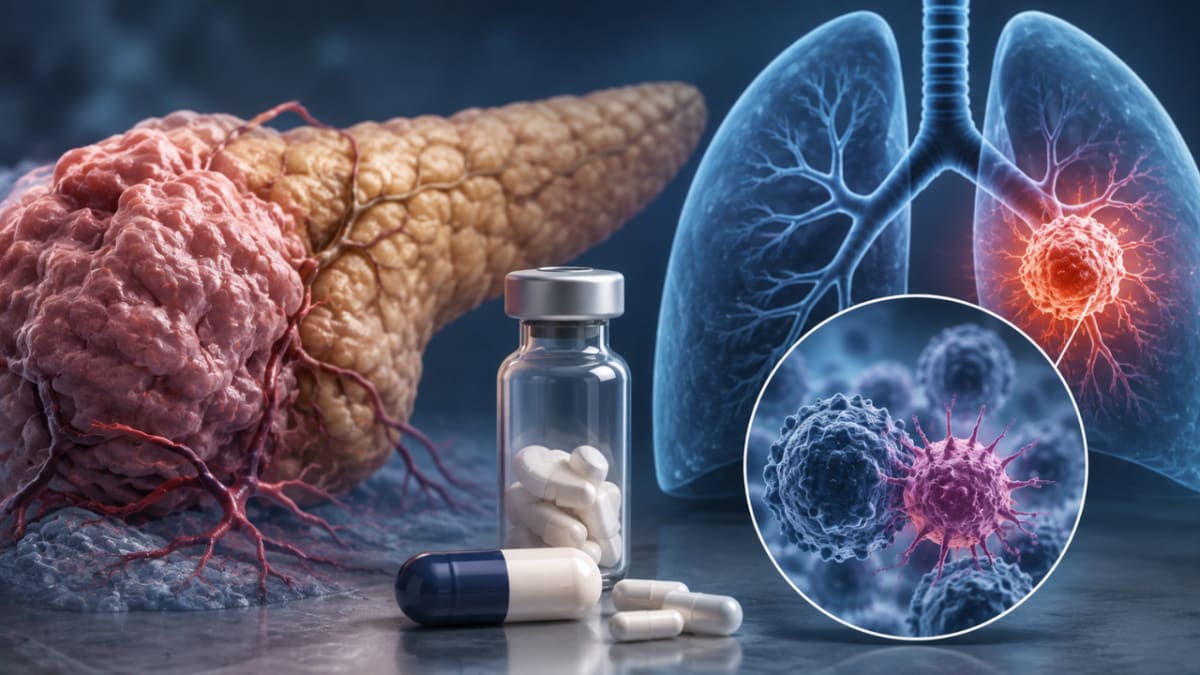
The results in preclinical studies have been stunning. Researchers observed near-complete elimination of dormant cancer stem cells in colorectal cancer. Similar success appeared in lung, brain, kidney, and pancreatic cancers.
What makes G2.2 even more promising is its safety profile. The molecule doesn't just kill cancer cells directly. It also activates the immune system, helping the body's own defenses fight tumors.
Desai has dedicated three decades to studying glycosaminoglycans, complex sugar molecules that most scientists barely understand. His persistence is paying off. VCU has secured international patent protection, and the team is preparing to submit an Investigational New Drug application to the FDA.
"When you see a discovery like G2.2, you realize the power of long-term research," says Magdalena Morgan from VCU TechTransfer. "This is not just a molecule, but a platform that could change how we think about preventing cancer recurrence."
The molecule can work alongside chemotherapy or stand alone as a preventive treatment. For patients terrified of relapse, this could mean genuine peace of mind after beating cancer once.
The Ripple Effect
Beyond cancer, Desai's approach to designing synthetic sugar molecules could revolutionize treatment for blood clotting disorders, inflammation, and viral infections. His lab has published over 200 papers and holds multiple patents, advancing an entire field of medicine that most people have never heard of.
The work represents something rare in medical research: a scientist spending decades on a single idea, trusting that breakthrough would eventually come. For Desai, whose career has bridged chemistry and medicine, G2.2 proves that rationally designed molecules can target complex biological systems with precision.
Patients who've survived cancer once shouldn't have to live in fear of its return, and thanks to years of patient work in a Virginia laboratory, they may not have to.
More Images


Based on reporting by Medical Xpress
This story was written by BrightWire based on verified news reports.
Spread the positivity!
Share this good news with someone who needs it