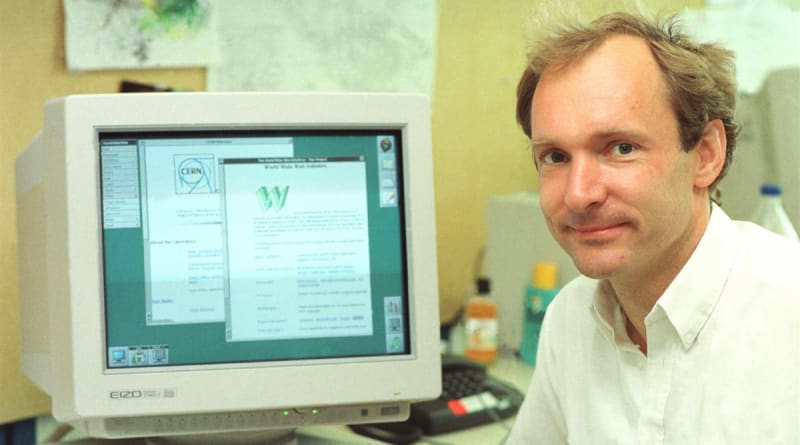
Web Creator Tim Berners-Lee: We Can Fix the Internet
The inventor of the World Wide Web says it's not too late to reclaim the internet from toxic algorithms and data monopolies. He's building new technology that puts users back in control of their own information.
📺 Watch the full story above
The man who gave the world the internet in 1989 believes his creation went off track, but he's not giving up on fixing it.
Tim Berners-Lee envisioned a web that would be free, democratic, and used by everyone. Today, 5.5 billion people use it regularly, but he says big tech companies have corrupted his vision with addictive algorithms and invasive data collection.
"We can fix the internet. It's not too late," Berners-Lee writes in his latest book, "This Is For Everyone." He describes his mission as a "battle for the soul of the web."
The turning point came during the 2016 US election when Berners-Lee saw how toxic the web had become. He told reporters he was "devastated" by the manipulation, disinformation, and polarization spreading across social media platforms.
He traces the problems back to when the domain name system became profit-driven in the 1990s. Companies like Facebook and Google built monopolies that prioritize engagement over human wellbeing, creating what he calls systems "optimized for nastiness."
But Berners-Lee isn't just complaining. He's building a solution called Solid, a new protocol that treats personal data like a backpack you control.
The Ripple Effect
Under the Solid system, individuals decide exactly what information to share and with whom. Want to share your education records with an AI tutor but keep them private from advertisers? You can do that. Need to give your doctor access to medical data but not your employer? That's possible too.
The Flanders government in Belgium is already using Solid pods for its citizens, treating data as a public utility rather than corporate property. Berners-Lee believes this approach will inspire developers to create collaborative, compassionate systems that make today's exploitative platforms obsolete.
"When people are excited, they get a twinkle in their eye and they start coding just because of what they can imagine," he says about developers embracing the vision. He's gathering like-minded activists and programmers for what he calls a rebellion to restore the web's original promise.
His optimism stems from a simple truth: the way we design technology shapes human behavior. Reddit, Pinterest, and Snapchat could be explicitly designed for good, but many chose algorithms that maximize addiction instead.
Berners-Lee believes the new systems will become so empowering that the surveillance-heavy platforms will fade away as people discover better alternatives. The inventor who connected hypertext to create the World Wide Web 36 years ago is now connecting people to reclaim it.
More Images
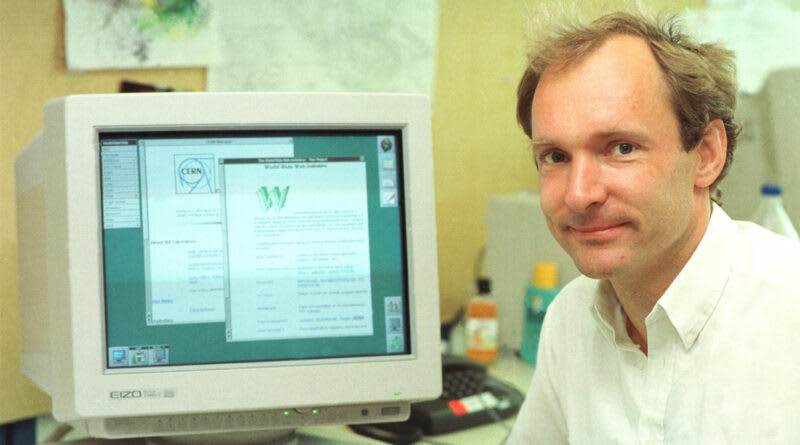


Based on reporting by CleanTechnica
This story was written by BrightWire based on verified news reports.
Spread the positivity!
Share this good news with someone who needs it