Wheelchair Users Get AI-Powered Independence Tool
A power wheelchair user frustrated by outdated tech is building autonomous wheelchairs with robotic arms that can open doors, fetch drinks, and even help with meals. Three and a half million Americans could gain new freedom from this innovation.
📺 Watch the full story above
Owen Kent has used a power wheelchair for over 30 years, and he's spent most of that time watching technology leap forward everywhere except in his own chair.
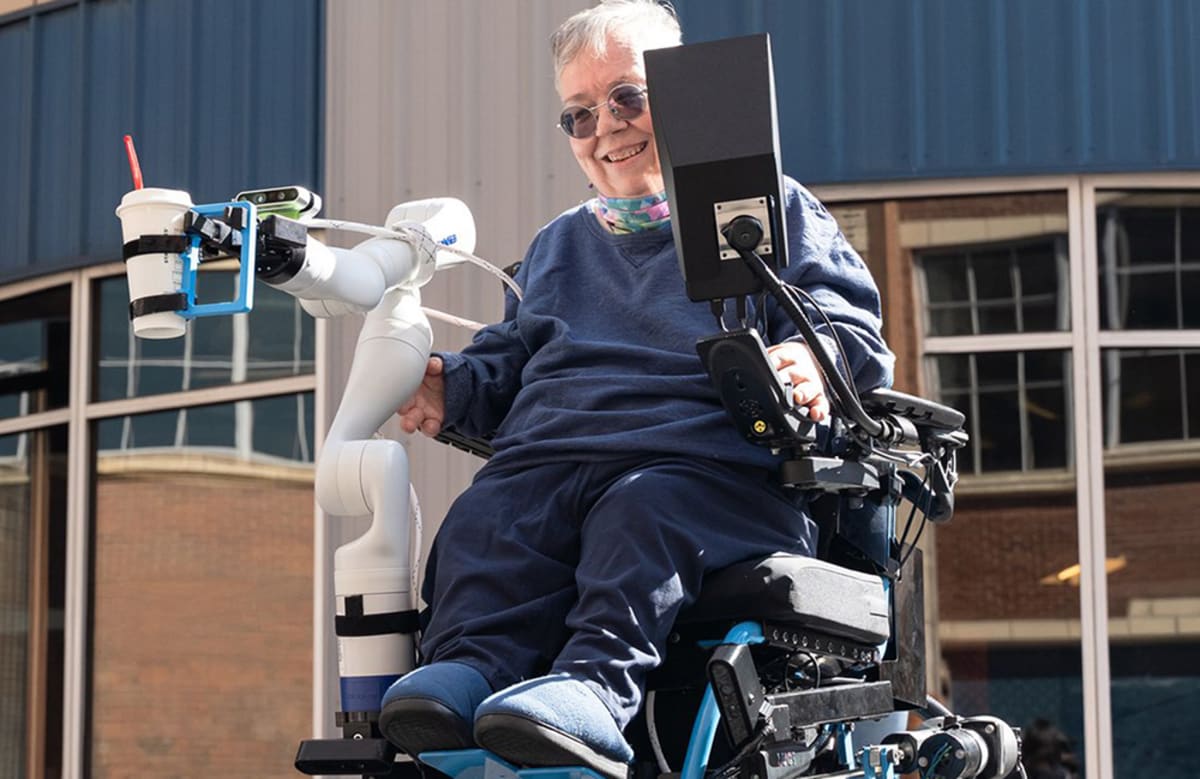
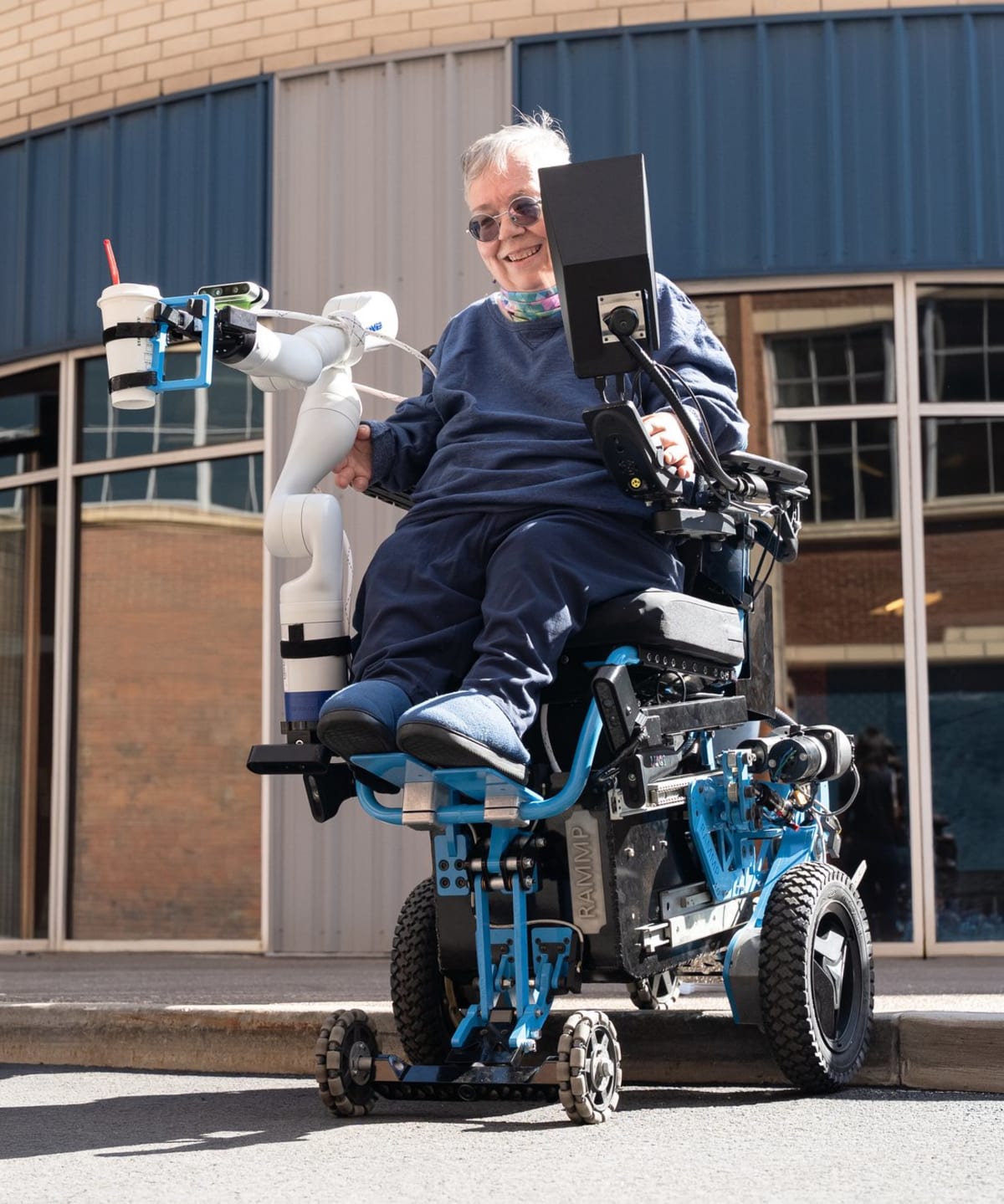
Now he's doing something about it. Kent's company ATDev is building autonomous wheelchairs equipped with coordinated robotic arms that give users unprecedented independence in their daily lives.
The chairs can handle tasks many wheelchair users struggle with alone: opening doors, turning on lights, and helping with eating and drinking. Even more impressive, users can control their wheelchair remotely to fetch items from the refrigerator while they're still in bed.
ATDev is part of a federal program called RAMMP, led by the University of Pittsburgh and funded by the Advanced Research Projects Agency for Health. The goal is simple but powerful: use robotics and AI to help people with mobility issues live more independently.
The company is redesigning wheelchairs from the ground up. While modern wheelchairs have impressive seating technology with custom molds for proper support, most still run on outdated power electronics with less computing power than a smartphone.
Safety comes first when developing robots for people with partial or full paralysis. Imagine a robotic arm bringing a fork toward the face of someone who can't move to protect themselves. That person needs absolute confidence the system won't fail.
ATDev's solution is what they call a "spectrum of autonomy." Users decide moment to moment how much control they want to hand over to the chair. The wheelchair handles micro-adjustments while the user charts the overall path, creating a partnership instead of full automation.
The company plans to build a learning community where wheelchair users can share knowledge with each other. If someone teaches their chair a new task, they can upload that skill to an app store where other users can download it to their own chairs.
The Ripple Effect
Three and a half million Americans currently use power wheelchairs. That's three and a half million people who could gain new independence, and three and a half million families who could worry a little less about their loved ones.
The federal government has already recognized the growing need as baby boomers age. ATDev's partnership with ARPA-H is helping them navigate both FDA approval and insurance reimbursement, two hurdles that have slowed similar assistive technologies like exoskeletons.
Unlike fully autonomous robots or self-driving cars, these wheelchairs benefit from having an engaged human operator who can correct course if needed. That shared control makes the safety challenge more manageable while still delivering life-changing assistance.
Roberts and Kent believe they're creating more than just better wheelchairs. They're building stable robotic platforms with humans at the center, combining large balanced wheels, sophisticated sensors, and capable robotic arms into tools for genuine independence.
Every innovation that helps people live more freely on their own terms represents progress worth celebrating.
More Images


Based on reporting by The Robot Report
This story was written by BrightWire based on verified news reports.
Spread the positivity!
Share this good news with someone who needs it