Wind Farms Get Smarter: Fix, Don't Replace Aging Turbines
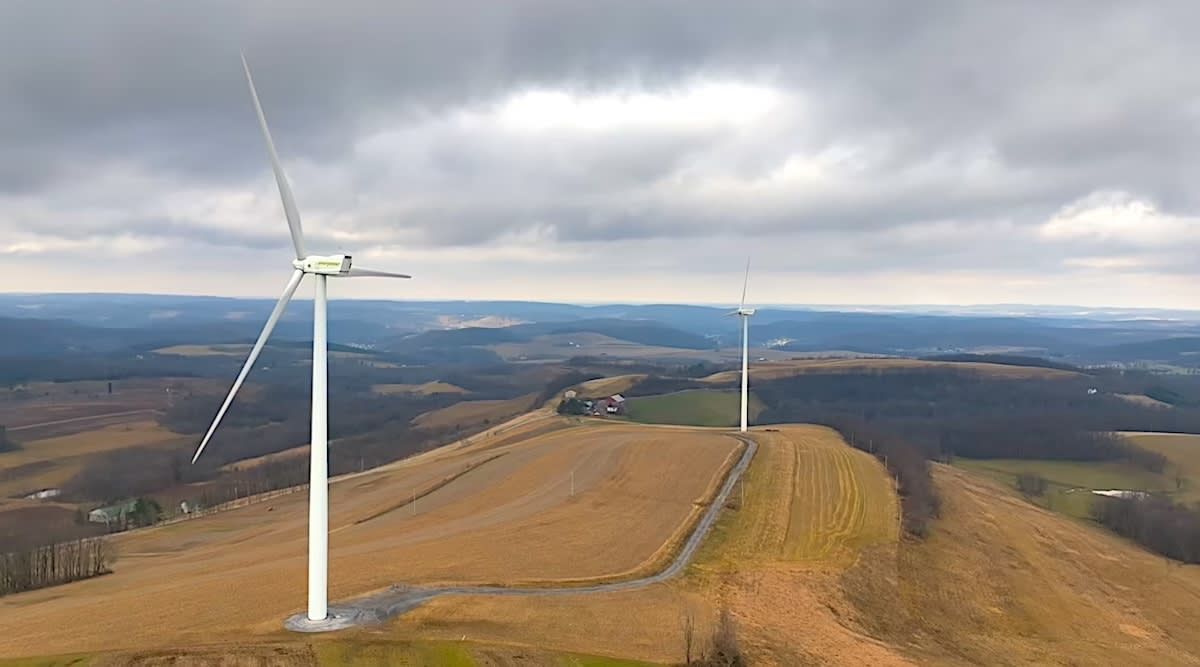
Instead of scrapping aging wind turbines, engineers are redesigning worn components to last decades longer, saving money and materials. This quiet revolution could keep 1.3 terawatts of wind power spinning reliably for generations.
📺 Watch the full story above
The wind energy industry is discovering that the best turbine isn't always a new one—it's an old one made better.
As the first wave of wind turbines reaches the end of their manufacturer warranties, operators face a choice: spend millions on replacement or reimagine what's already there. Increasingly, they're choosing the smarter path.
Companies like BGB are treating aging turbines as engineering opportunities rather than obsolete equipment. When components like pitch systems, slip rings, and brakes show wear patterns after a decade of operation, engineers now have something invaluable: real-world data about exactly where stress accumulates.
That knowledge allows them to redesign parts to outperform the originals. A slip ring that failed every five years can be re-engineered to last ten or fifteen, reducing maintenance visits and keeping turbines running longer.
The economics are compelling. Full turbine replacement is expensive and materials-intensive, but towers, foundations, and major drivetrain components often remain structurally sound long after smaller parts wear out. Extending a turbine's life by even five years lets operators extract more value from infrastructure already in place.
The stakes are high. The UK alone risks losing 5 gigawatts of offshore wind capacity by 2035—one third of its total—if life extension strategies fail. Globally, 1.3 terawatts of wind assets need to remain grid-reliable through 2026 and beyond.
The Ripple Effect
This shift toward repair and redesign creates benefits far beyond individual wind farms. Domestic refurbishment capabilities reduce dependence on volatile global supply chains and long component lead times. Restoring assemblies instead of discarding them preserves the energy and materials embedded in original manufacturing.
The approach also supports wind power's environmental promise. Manufacturing new turbine components requires significant raw materials and energy, so extending existing equipment's lifespan reduces the industry's own carbon footprint.
For wind farm operators managing large fleets, small reliability improvements cascade into major operational gains. Fewer unplanned outages mean fewer crane mobilizations, fewer emergency service calls, and better overall availability—measured in fractions of percentage points that translate to real commercial advantage.
Testing facilities now subject refurbished components to simulated operational conditions including rotational loads, vibration profiles, and electrical demands that mirror real turbine environments. The goal isn't just restoration—it's improvement.
What's emerging is a more circular future for renewable energy, where turbines become long-term industrial assets capable of continuous enhancement rather than equipment with fixed expiration dates.
The wind industry spent years obsessed with "new"—bigger rotors, taller towers, record installations. Now the quiet revolution of making existing turbines better may prove just as transformative as the installation boom that came before.
More Images


Based on reporting by Google News - Wind Energy
This story was written by BrightWire based on verified news reports.
Spread the positivity!
Share this good news with someone who needs it