Young Girls Dominate Chess—But Most Quit by High School
Nine-year-old Clarissa Liu regularly beats opponents twice her age at chess tournaments across Brisbane. But despite soaring interest in the game, only 16.5% of the world's competitive chess players are female—and most girls drop out before adulthood.
📺 Watch the full story above
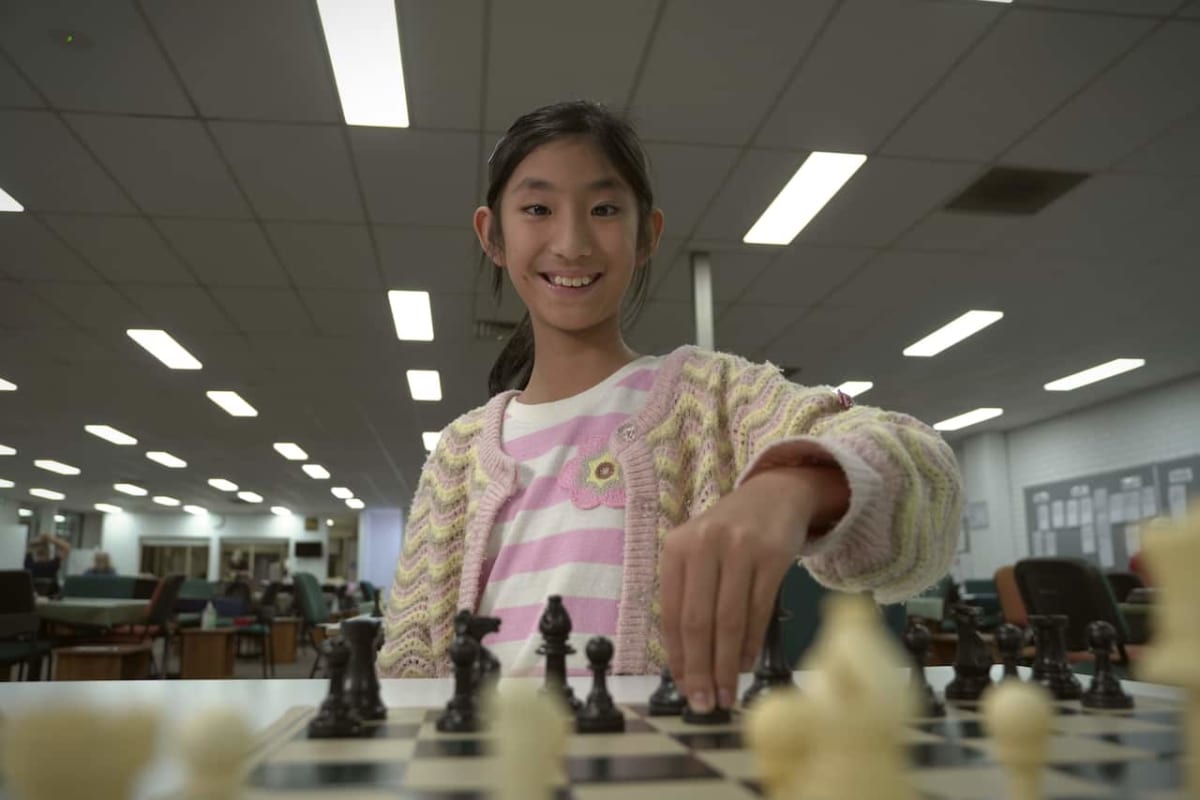
Nine-year-old Clarissa Liu adjusts her fluffy pink-and-yellow cardigan and shakes her opponent's hand without a word. She's just beaten a man more than twice her age at a Brisbane chess club—and it's far from her first time.
"I want to win for the girls because it just seems like there are so many more men playing chess than girls," Liu tells reporters. When she sees other girls at tournaments, she feels happy and determined to prove what's possible.
Liu represents a bright spot in a sport struggling with gender gaps. Chess.com recently surpassed 250 million members worldwide, with nearly 15 million new accounts created in just the first three months of 2025. Streaming hits like The Queen's Gambit and documentaries about champion Judit Polgár have sparked renewed interest in the game.
But the numbers tell a troubling story. Girls and women make up just 16.5% of the world's 1.4 million active chess players, according to the International Chess Federation's 2025 Gender Equality report. Of more than 1,500 chess grandmasters worldwide, fewer than 50 are women.
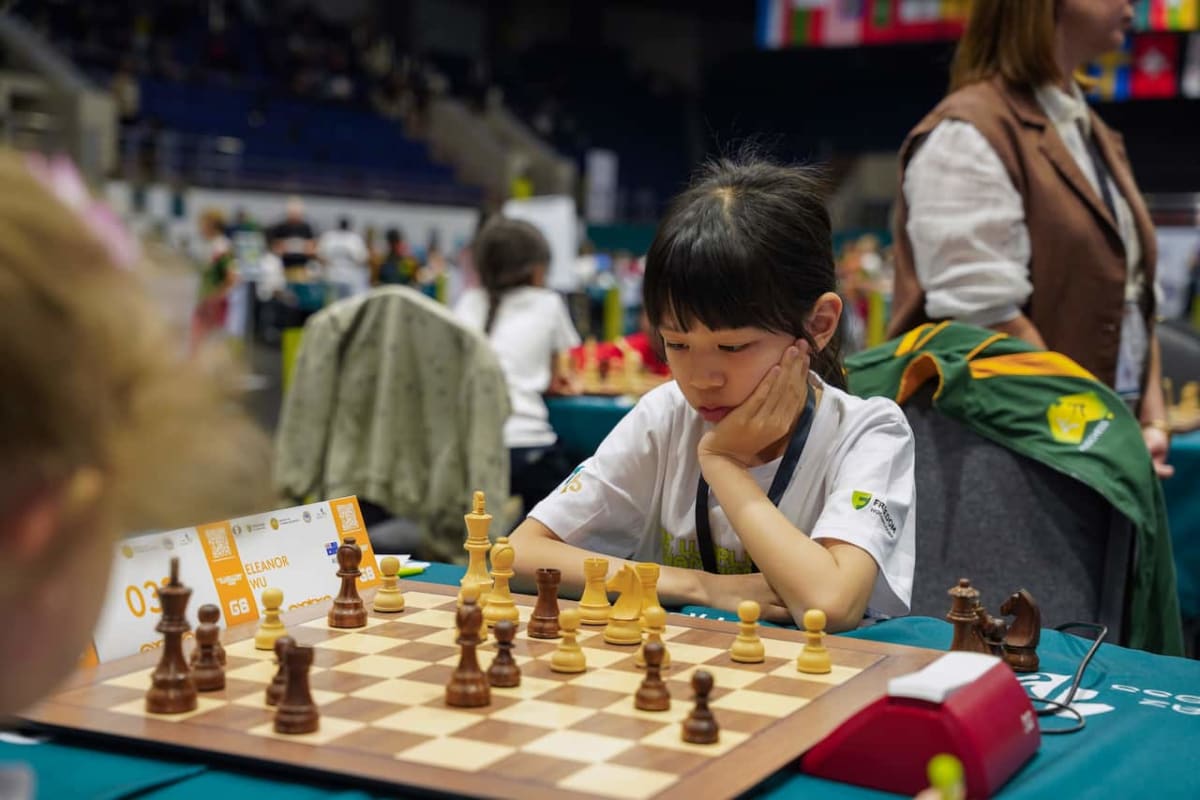
Eleanor Wu, the 2025 Australian under-8 girls' champion, knows the challenge firsthand. "Some of my friends say girls shouldn't play chess because they aren't smart enough," she says. Her response? "I just say only smart girls can play because chess is really hard."
Chess grandmaster David Smerdon, who represents Australia internationally, believes he knows why so many talented girls abandon the game. "As soon as school finishes and they have to go to their first open tournament, there might be 100 men in the room and three girls," he explains. Without social connections and visible role models, even girls who love chess often walk away.
The Ripple Effect
Some countries are showing what's possible when girls receive proper support. Mongolia and Sri Lanka boast some of the world's largest and highest-performing female chess communities. These nations have invested in women's tournaments, appointed female players to organizational roles, and created clear pathways for young competitors.
Australia ranks 108th out of 119 countries for female chess participation, with rates well below the global average at 9.64%. But Smerdon sees hope in the nation's successful school chess programs, which attract thousands of girls each year.
"The real issue here is that if girls don't see role models, they don't see clear support, and they don't see a clear path forward, then they'll leave the game," Smerdon says. "The challenge isn't really getting girls into chess—it's convincing them that it's a good place to stick around."
Girls like Liu and Wu are proving they have what it takes to compete at the highest levels, and with the right support, Australia could follow the same trajectory as the Matildas soccer team.
More Images


Based on reporting by SBS Australia
This story was written by BrightWire based on verified news reports.
Spread the positivity!
Share this good news with someone who needs it