
1 in 8 Cancers Preventable Through Existing Vaccines
New research reveals that infections cause 12% of all cancer cases worldwide, and many could be prevented with vaccines we already have. Countries with high HPV vaccination rates are seeing cancer cases disappear entirely in young adults.
Imagine preventing 2.3 million cancer cases every year with tools we already have sitting in clinics. That's the hopeful reality revealed by a groundbreaking study examining how infections trigger cancer and how simple prevention could save millions of lives.
Researchers analyzed data from 20 million cancer diagnoses in 2024 and found that about 1 in 8 cases stem from infections with viruses, bacteria, or parasites. The study, published in The Lancet Oncology, focused on 12 known cancer-causing pathogens and discovered that just four account for 92% of infection-related cancers.
The most common culprit is a stomach bacterium called Helicobacter pylori, responsible for 760,000 cases of gastric cancer. Close behind is HPV, causing 750,000 cases including cervical, throat, and mouth cancers. Hepatitis B and Epstein-Barr virus round out the top four.
The exciting news is that we have proven weapons against several of these threats. HPV vaccines exist and work remarkably well. Australia, England, and Finland now report zero HPV-related cancers or deaths in young adults who received the vaccine by age 13.
"We have now achieved the critically important milestone of cervical cancer starting to disappear in countries that quickly achieved vaccination rates of over 80 percent," says Dr. Rebecca Perkins, an obstetrician-gynecologist at Tufts University. The degree of protection is striking where vaccination programs succeed.
The challenge isn't scientific but logistical. In 2024, only 31% of eligible girls worldwide received at least one HPV vaccine dose, far below the World Health Organization's 90% target. Low and middle-income countries, which bear 77% of the infection-driven cancer burden, struggle most with access.
But solutions are emerging. Researchers now support a single-dose HPV vaccine regimen instead of the standard two doses, making mass campaigns easier and cheaper by eliminating follow-up visits. This simple shift could dramatically expand global reach.
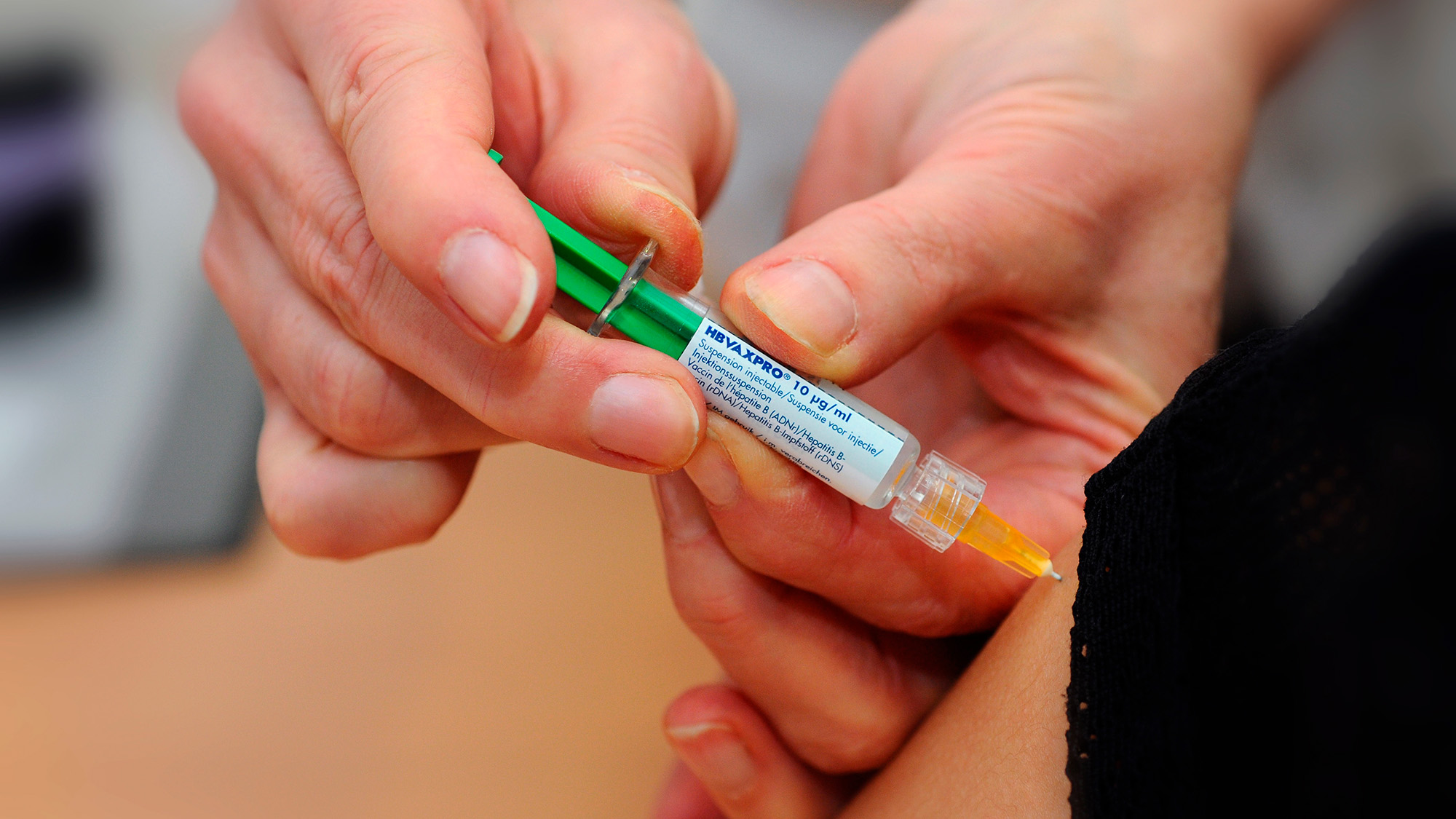
Hepatitis B also has a highly effective vaccine, with health officials recommending the first dose as soon as possible after birth. Combined with other preventable risk factors like tobacco use and alcohol consumption, experts estimate that 50 to 60 percent of all cancers globally could be avoided.
Why This Inspires
This isn't just about developing new miracle cures. It's about using tools we already have to prevent suffering before it starts. Every country that achieves high vaccination rates sees cancer cases vanish in the next generation.
The path forward is clear: get existing vaccines to more people, simplify dosing schedules, and prioritize the communities that need them most. We're already watching certain cancers disappear in countries that committed to vaccination.
Preventing cancer one vaccine at a time isn't a distant dream—it's happening right now.
More Images


Based on reporting by Live Science
This story was written by BrightWire based on verified news reports.
Reset Your Focus With Today’s Daily Affirmations & Mood Check
Take a 60-second mindful pause with curated daily affirmations and our private positivity mood tracker.
Spread the positivity!
Share this good news with someone who needs it


