%2Ffile%2Fattachments%2F2993%2Fequipe-nationale_216204.jpeg)
10 African Teams Chase History at 2026 World Cup
Africa is sending a record 10 teams to the 2026 World Cup, double the usual number, as Morocco and Senegal lead the continent's quest to break new ground. With Morocco's 2022 semifinal run still fresh in memory, African soccer has never had more reason for hope.
Africa is about to make its biggest World Cup statement ever, with 10 nations heading to the tournament this summer in North America.
The expansion from 32 to 48 teams means African representation has doubled from the usual five spots. Morocco, Senegal, Egypt, Ghana, Algeria, Tunisia, Ivory Coast, Cape Verde, South Africa, and the Democratic Republic of Congo will all compete between June 11 and July 19.
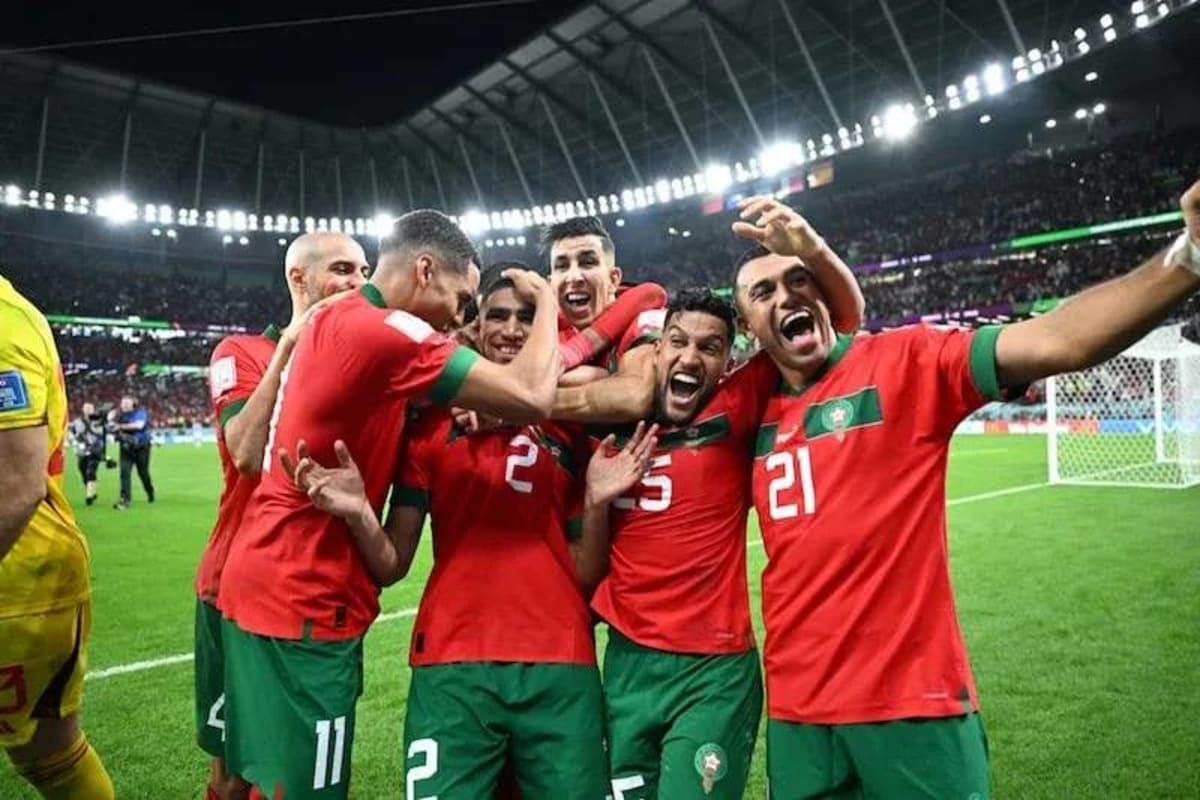
Morocco enters as the continent's brightest hope after their stunning 2022 campaign. The Atlas Lions became the first African team to reach a World Cup semifinal, shattering the quarterfinal barrier that had held since 1990.
Their success built on decades of African heartbreak and near misses. Cameroon came agonizingly close in 1990, losing to England 3-2 in extra time. Senegal reached the quarters in 2002. Ghana fell to Uruguay on penalties in 2010 after Luis Suárez's infamous handball save.
Now Morocco goalkeeper Yassine Bounou believes the momentum continues. "The quality of the players is still there," he said. "We feel that we're still respected, and that must give us confidence."
Morocco faces Brazil, Scotland, and Haiti in Group C. Senegal draws France, Iraq, and Norway in Group I, with their opening match against France echoing their famous 2002 upset of the defending champions.
The Ripple Effect
This expansion means more African players get to showcase their talent on soccer's biggest stage. It means more young fans across the continent see teams that look like them competing at the highest level. Morocco's infrastructure investments and soccer development programs are paying dividends, creating a blueprint other nations can follow.
The competition also brings African soccer to new audiences in North America's stadiums. Cape Verde makes its World Cup debut, while South Africa returns for the first time since hosting in 2010.
While Pelé's prediction that an African nation would win the World Cup by 2000 hasn't come true yet, the gap keeps closing. With 10 teams competing and Morocco proving semifinals are possible, African soccer has never been better positioned to surprise the world.
More Images
%2Ffile%2Fattachments%2Forphans%2FTL_2505938_371702.jpg)
%2Ffile%2Fdailymaverick%2Fwp-content%2Fuploads%2F2022%2F12%2FGettyImages-1447213482.jpg)
Based on reporting by Daily Maverick
This story was written by BrightWire based on verified news reports.
Spread the positivity!
Share this good news with someone who needs it