10 Million Whale Skeletons Found 23,000 Feet Deep
Scientists just discovered the largest whale graveyard ever found, nearly four miles beneath the Indian Ocean's surface. The ancient remains are feeding entire ecosystems and teaching us how life thrives in Earth's deepest places.
Deep beneath the Indian Ocean, millions of whale skeletons lie scattered across the seafloor, creating an underwater graveyard unlike anything scientists have seen before.
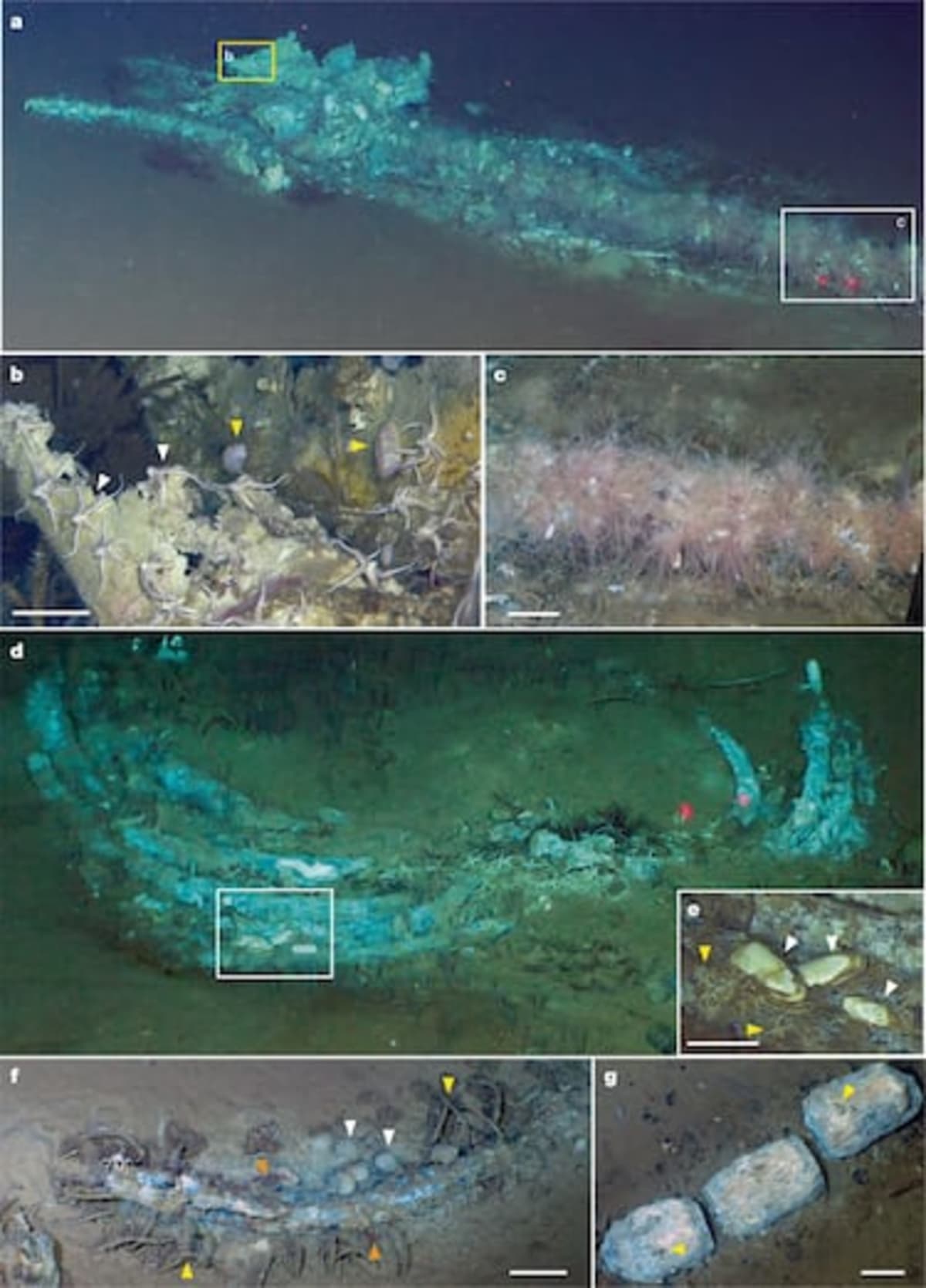
A team of researchers from China, Italy, and New Zealand discovered the site during a 2023 expedition off Australia's western coast. Using a small submersible, they explored the Diamantina Zone at depths reaching nearly 23,000 feet.
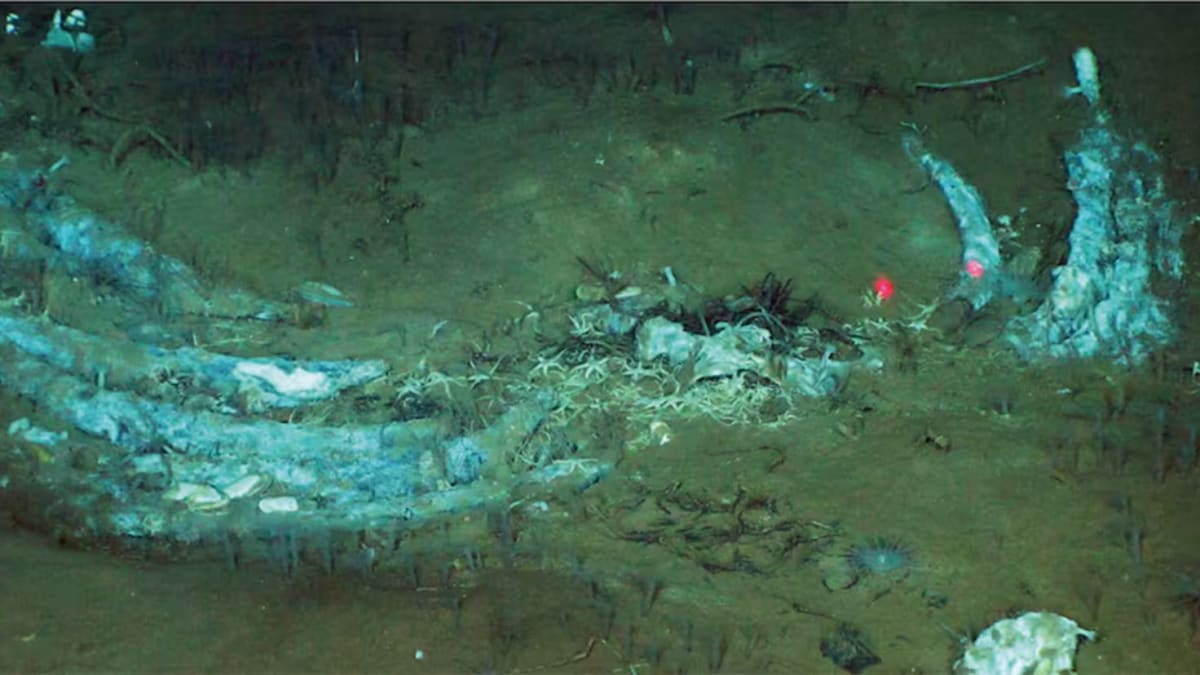
What they found stopped them in their tracks. Hundreds of whale skeletons dotted the ocean floor, some belonging to species that went extinct millions of years ago.
The density was staggering. Researchers counted about 759 whale remains per square kilometer, which translates to roughly 1,967 skeletons per square mile. Based on these numbers, scientists estimate nearly 10 million whale carcasses could be resting across the broader region.
Some of the remains date back 5.3 million years. Normally, seawater would erode bones over such vast timescales, but these skeletons have been remarkably preserved by the unique deep-sea conditions.
Why This Inspires
The whale graveyard isn't just a collection of bones. It's a thriving community of life in one of Earth's most extreme environments.
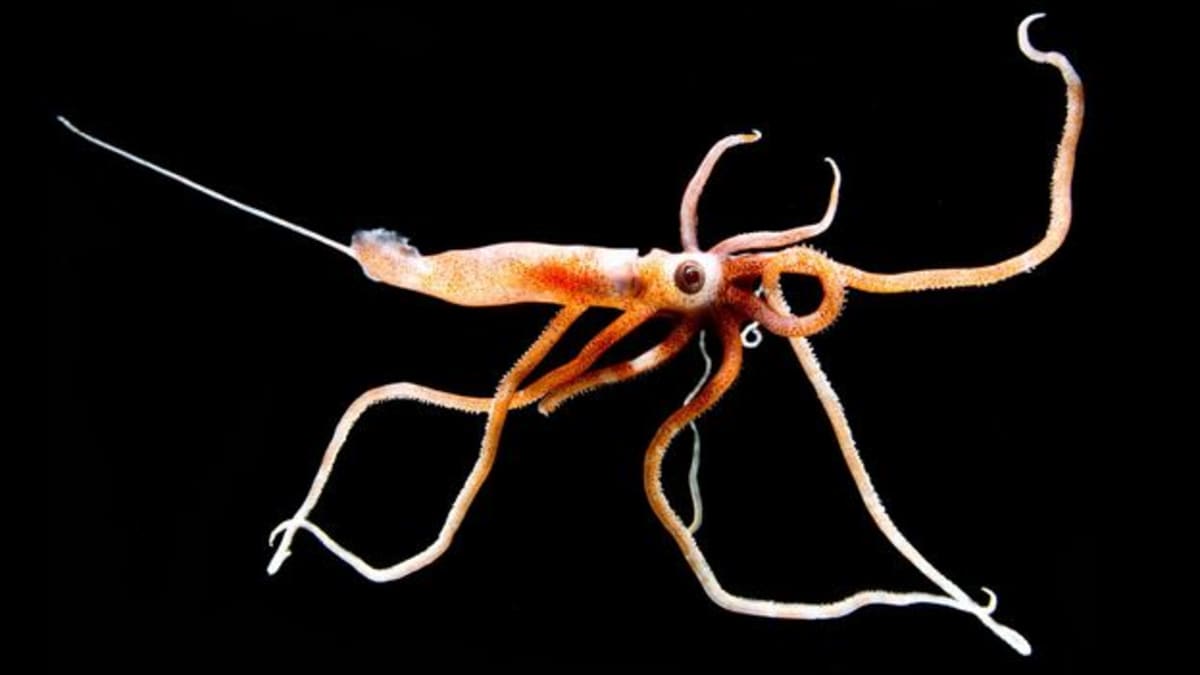
The research team observed jellyfish, bone-eating worms, bivalves, and brittle stars all feeding on the ancient remains. Many of these creatures were species never before documented by science, perfectly adapted to survive on the nutrients locked inside whale bones.
The carcasses collectively hold about 7.4 million tons of carbon in their soft tissues and lipids. This massive carbon store provides essential food for deep-sea organisms that would otherwise struggle to find nutrients in the dark, cold depths.
Even more exciting, the discovery supports a fascinating theory about how life spreads across the ocean floor. Scientists believe whale carcasses act as "stepping stones" that allow specialized species to colonize different parts of the deep sea, creating evolutionary hotspots where new forms of life can develop.
During their 2023 expedition, the team documented 485 different species across 746 miles of seafloor. Evidence suggests similar hidden graveyards could exist throughout the world's deep oceans, waiting to be discovered.
American paleontologist Stephen Godfrey called it a "truly unique discovery," comparing its significance to other major finds in the history of paleontology. Amy Baco-Taylor of Florida State University told reporters the graveyard will "likely provide many new insights" into how deep-sea ecosystems function.
More than 70% of our planet is covered by water, yet we've barely scratched the surface of exploring it. This extraordinary find reminds us that Earth still holds countless mysteries, and some of the most surprising discoveries happen when we look in the deepest, darkest places.
More Images
Based on reporting by Google News - Scientists Discover
This story was written by BrightWire based on verified news reports.
Spread the positivity!
Share this good news with someone who needs it