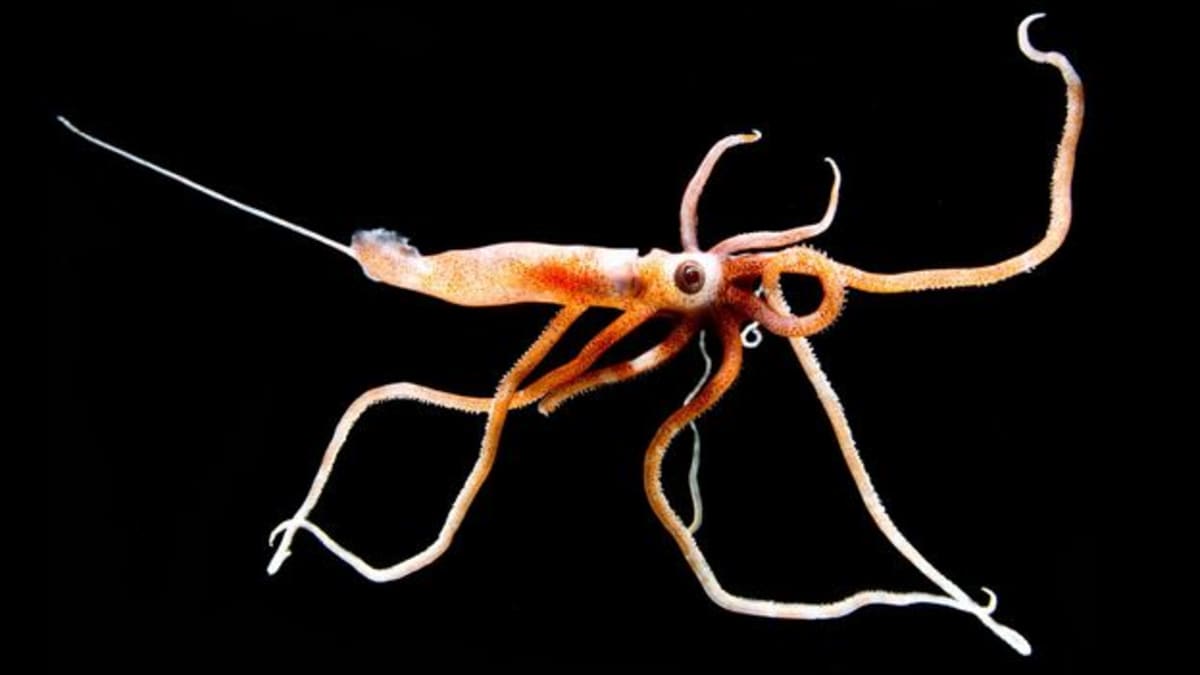
Trillions of Ocean Creatures Migrate Nightly in Climate Win
Every night, 10 billion tonnes of tiny sea creatures swim hundreds of meters to the ocean surface and back in the largest animal migration on Earth. Scientists now believe this massive movement could play a surprising role in fighting climate change.
Deep beneath the waves, something extraordinary happens every single night. Trillions of tiny ocean creatures rise from the twilight zone to feed at the surface, then swim back down before sunrise in the largest migration of animals on our planet.
During World War Two, sonar technicians discovered this phenomenon by accident. They thought their equipment had found the ocean floor, but the "floor" kept moving up and down throughout the day. They had actually detected a massive layer of zooplankton, so densely packed it reflected sound waves like solid ground.
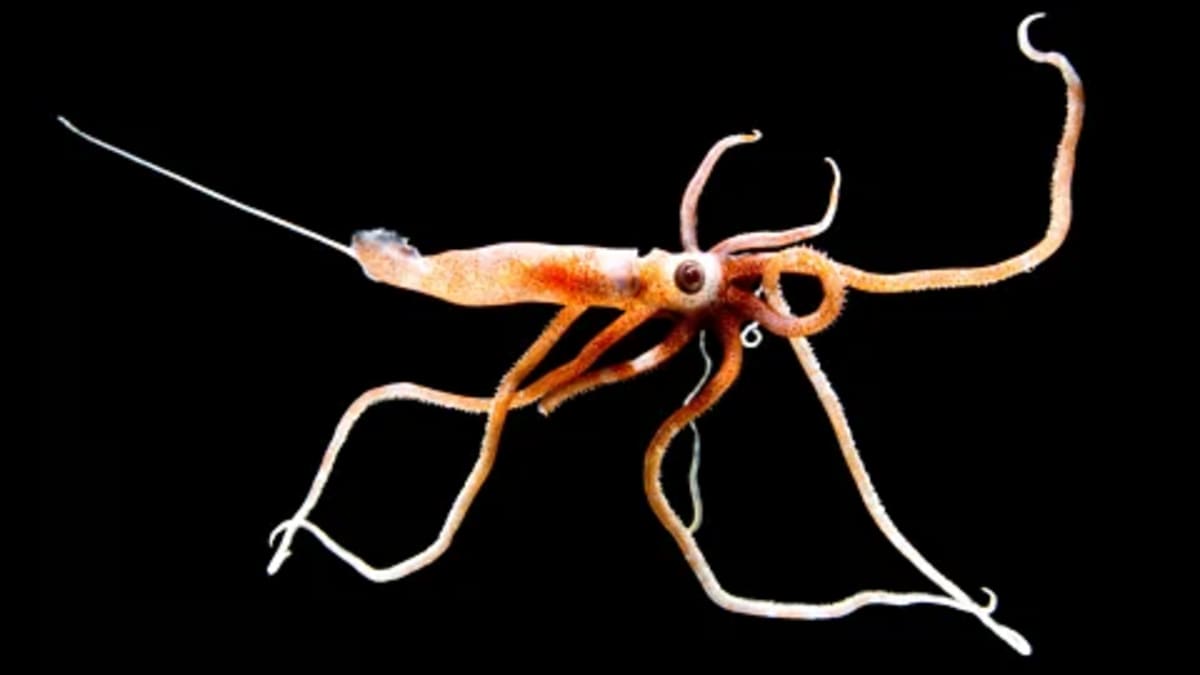
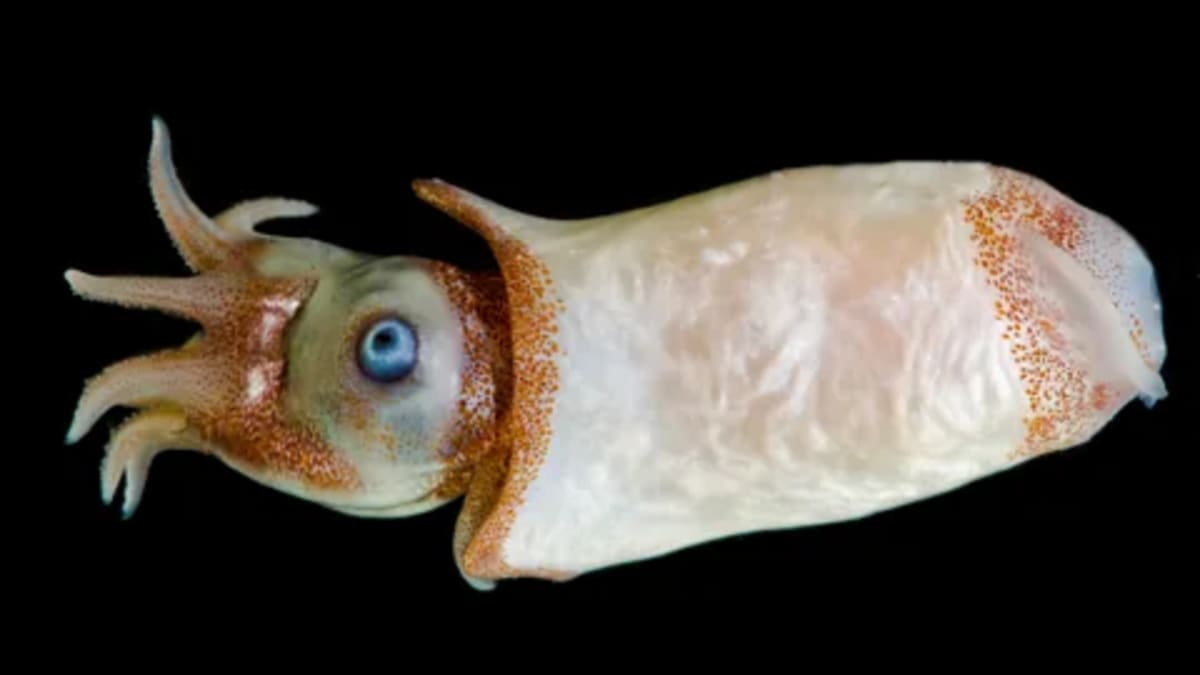
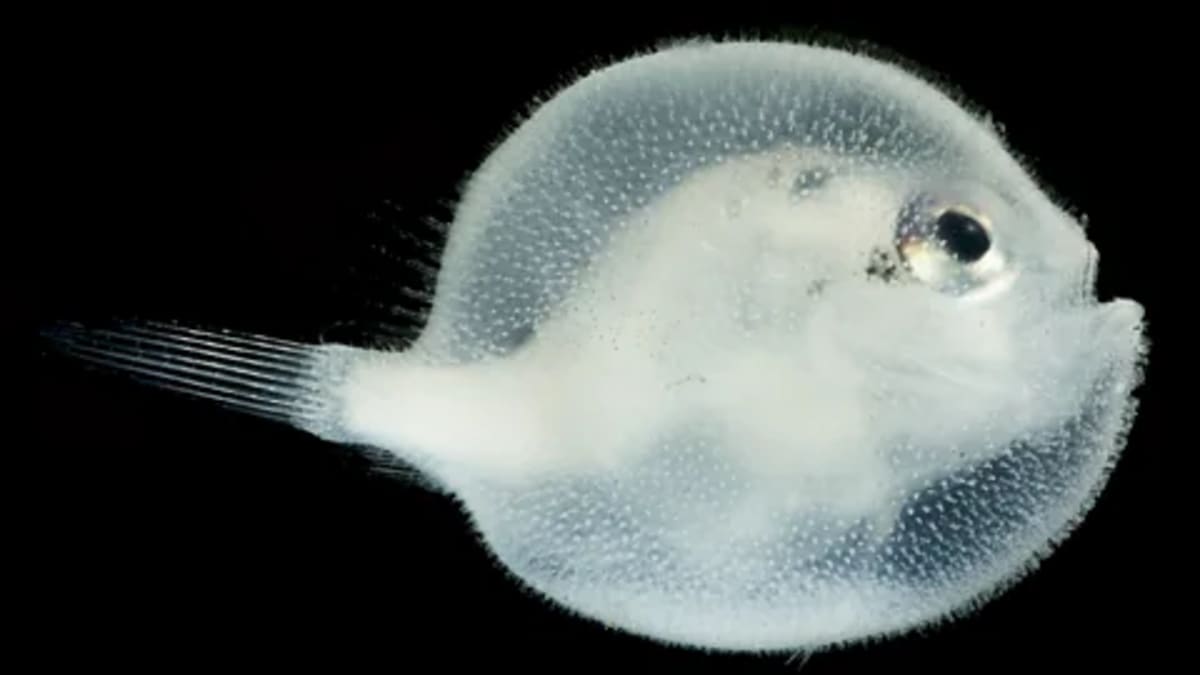
These creatures inhabit the mesopelagic zone, which starts 200 meters below the surface where sunlight fades to twilight. By 1,000 meters down, complete darkness takes over. This vast layer spans the globe and holds an estimated 95% of all fish biomass.
Laura Hobbs, a lecturer in Arctic Marine Science, describes the migration as a Mexican wave circling the planet. "These critters are just millimeters long, and they're swimming hundreds of meters every single day. It would be like running multiple marathons."
The reason for this grueling journey is simple: dinner. Zooplankton rise to feast on phytoplankton, which need sunlight to grow and stay near the surface. When dawn breaks, the zooplankton retreat to darker depths to digest safely, away from predators that hunt by sight.
Ocean explorer Jon Copley witnessed this migration firsthand while ascending in a submersible at dusk. With the lights off to save battery, he saw what looked like a blizzard of glowing creatures. When the pilot turned on a strobe light, everything flashed back. "Suddenly I thought, 'wow, we're really in a soup!' It's not just a watery ocean, it's a living soup."
The Ripple Effect
This nightly marathon does more than feed tiny creatures. When zooplankton digest their food in the deep ocean, they release waste that stays trapped in the depths rather than returning to the atmosphere. Scientists believe this natural carbon pump could significantly affect Earth's climate by keeping carbon dioxide locked away from the air we breathe.
These twilight zone creatures also form the foundation of oceanic food webs. Species we depend on for food, like tuna and swordfish, rely on these tiny migrating animals as a crucial food source.
The ocean covers 71% of Earth's surface, but most of it exists in perpetual darkness beyond the sun's reach. Understanding these hidden worlds and their massive migrations reveals just how much life thrives in places we rarely see and how deeply connected it is to the health of our entire planet.
More Images

Based on reporting by BBC Future
This story was written by BrightWire based on verified news reports.
Spread the positivity!
Share this good news with someone who needs it