Kolkata's 12,500-Hectare Wetlands Stop Floods Naturally
While Mumbai and other Indian cities struggle with monsoon flooding, Kolkata's massive East Kolkata Wetlands quietly absorb excess rainwater, treat sewage, and protect millions without concrete infrastructure. This 12,500-hectare natural system proves that working with nature can outperform traditional engineering.
While Mumbai's streets flooded this week and commuters waded through waist-deep water, Kolkata stayed relatively dry thanks to a 12,500-hectare secret weapon that costs nothing to operate.
The East Kolkata Wetlands act like a giant sponge on the city's eastern edge, soaking up excess rainwater that would otherwise flood neighborhoods and overwhelm aging drainage systems. As climate change brings more intense rainfall across India, this natural solution is showing cities everywhere what they're missing.
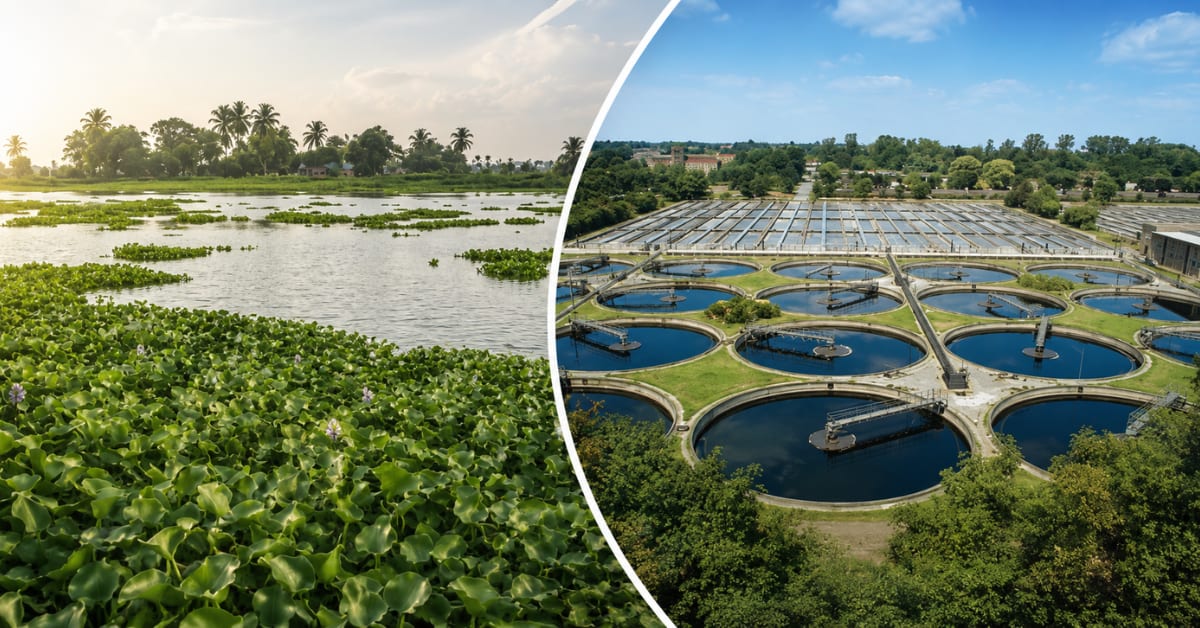
Recognized as a Wetland of International Importance since 2002, the East Kolkata Wetlands do far more than prevent floods. Every day, they naturally filter a large portion of Kolkata's sewage using sunlight, algae, aquatic plants, and helpful microorganisms. No energy-guzzling treatment plants required.
The cleaned, nutrient-rich water then flows into fish ponds and agricultural fields, creating a circular economy that has sustained local families for generations. More than 250 sewage-fed fisheries operate in the wetlands, turning what other cities consider waste into food and income for thousands of people.
Scientists call this a nature-based solution, where healthy ecosystems provide services that expensive concrete infrastructure often can't match. During heavy monsoons, the wetlands slow down runoff, temporarily store floodwater, and gradually release it instead of letting it overwhelm city drains.
The system works so well that experts call the wetlands Kolkata's "natural kidneys," filtering waste just like the organs in our bodies. It's one of the world's largest natural resource recovery ecosystems, proving that traditional ecological knowledge still has plenty to teach modern cities.
The Ripple Effect
The East Kolkata Wetlands show what's possible when cities protect natural landscapes instead of paving over them. As urban areas across India lose lakes, wetlands, and floodplains to development, they're discovering that concrete drains can't handle what nature once absorbed effortlessly.
The recent flooding in Mumbai and other cities isn't just about heavy rainfall. It's about disappearing natural buffers that once gave water somewhere to go. Every wetland converted to a shopping mall or apartment complex is one less defense against the next cloudburst.
The Kolkata model demonstrates that environmental protection and economic development don't have to conflict. The same ecosystem that prevents floods also produces fish, grows vegetables, creates jobs, and reduces pollution. It's conservation that pays for itself while protecting millions of people.
The challenge now is preserving what remains. Illegal encroachments, urban expansion, and pollution continue threatening the wetlands despite their global recognition. Experts warn that shrinking these natural buffers would leave Kolkata more vulnerable to flooding while destroying biodiversity and livelihoods.
As India faces more unpredictable monsoons, the 12,500-hectare wetlands offer a powerful reminder that we don't always need bigger drains or taller walls. Sometimes the smartest climate solution is protecting the ecosystems that have been doing the job all along.
More Images
%2Fenglish-betterindia%2Fmedia%2Fmedia_files%2F2026%2F07%2F07%2Feast-kolkata-wetlands-2026-07-07-15-21-04.png)
%2Ffilters%3Aformat(webp)%2Fenglish-betterindia%2Fmedia%2Fmedia_files%2F2026%2F07%2F07%2Feast-kolkata-wetlands-2026-07-07-15-22-15.png)
%2Ffilters%3Aformat(webp)%2Fenglish-betterindia%2Fmedia%2Fmedia_files%2F2026%2F07%2F07%2Feast-kolkata-wetlands-2026-07-07-15-25-24.png)
Based on reporting by Google News - Climate Solution
This story was written by BrightWire based on verified news reports.
Spread the positivity!
Share this good news with someone who needs it