Nova Scotia Approves Largest Wind Farm for Green Hydrogen
Nova Scotia just greenlit its biggest wind energy project ever, a massive 158-turbine farm that will power over 400,000 homes and fuel the province's green hydrogen ambitions. Construction starts in 2029, bringing hundreds of jobs and cleaner air to Guysborough County.
Nova Scotia is betting big on clean energy, and the payoff could be enormous for both the planet and local communities.
The province just approved the Ocean Lake Wind Project in Guysborough County, the largest wind farm ever greenlit in Nova Scotia. The project will feature up to 158 turbines generating 1,264 megawatts of electricity, enough to power roughly 404,000 homes.
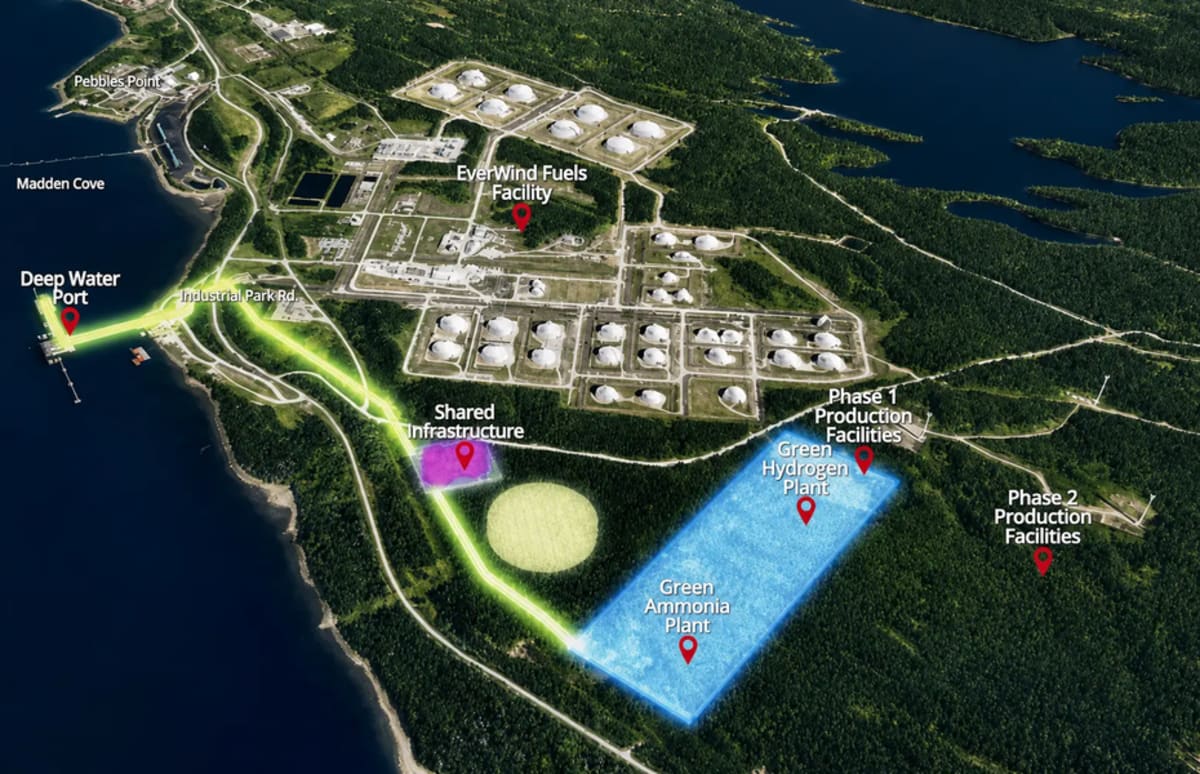
EverWind NS Holdings and Membertou Development Corp are developing the project near New Harbour, Goldboro, and several surrounding communities. Minister of Environment and Climate Change Timothy Halman gave his approval on July 2 after completing the environmental assessment, confident that the project's 61 protective conditions will safeguard both nature and human health.
The numbers tell an inspiring story about climate progress. Once operational, the wind farm will slash Nova Scotia's annual greenhouse gas emissions by 1.94 million tonnes. That's the equivalent of removing 420,000 gas-guzzling cars from the roads permanently.
Construction begins in 2029 and will take about five years to complete. During that time, the project will create between 400 and 500 construction jobs, then another 40 to 50 permanent positions for ongoing operations.
The Ripple Effect
The benefits extend far beyond clean electricity. Guysborough County will see roughly $11 million in annual tax revenue, money that can fund schools, roads, and community services for years to come.
The wind farm also plays a crucial role in Nova Scotia's green hydrogen strategy. Green hydrogen, made using renewable electricity to split water molecules, offers a clean fuel alternative for industries that can't easily electrify. EverWind plans to use the wind power to produce hydrogen for export and domestic use.
This approval signals that large-scale renewable projects can move forward while protecting the environment. The 61 conditions attached to the permit ensure wildlife, water quality, and local ecosystems remain safeguarded throughout construction and operation.
Communities across Canada are watching this project closely as a model for balancing ambitious climate goals with environmental responsibility and economic opportunity.
Nova Scotia is proving that the clean energy transition isn't just possible, it's already happening.
More Images

Based on reporting by Google News - Wind Energy
This story was written by BrightWire based on verified news reports.
Spread the positivity!
Share this good news with someone who needs it