10-Million-Year-Old Crab Named for Beloved Volunteer
A tiny fossil crab discovered at Maryland's Calvert Cliffs now carries the name of Bill Prochownik, a dedicated museum volunteer who spent years helping unearth the region's prehistoric treasures. The 10-million-year-old species offers a rare glimpse into ancient marine life and honors a man who made paleontology accessible to everyone.
When Bill Prochownik passed away unexpectedly in 2023, the paleontology community at Maryland's Calvert Marine Museum lost more than a volunteer. They lost an icon who had spent countless hours helping visitors discover the prehistoric wonders hidden in the cliffs along the Chesapeake Bay.
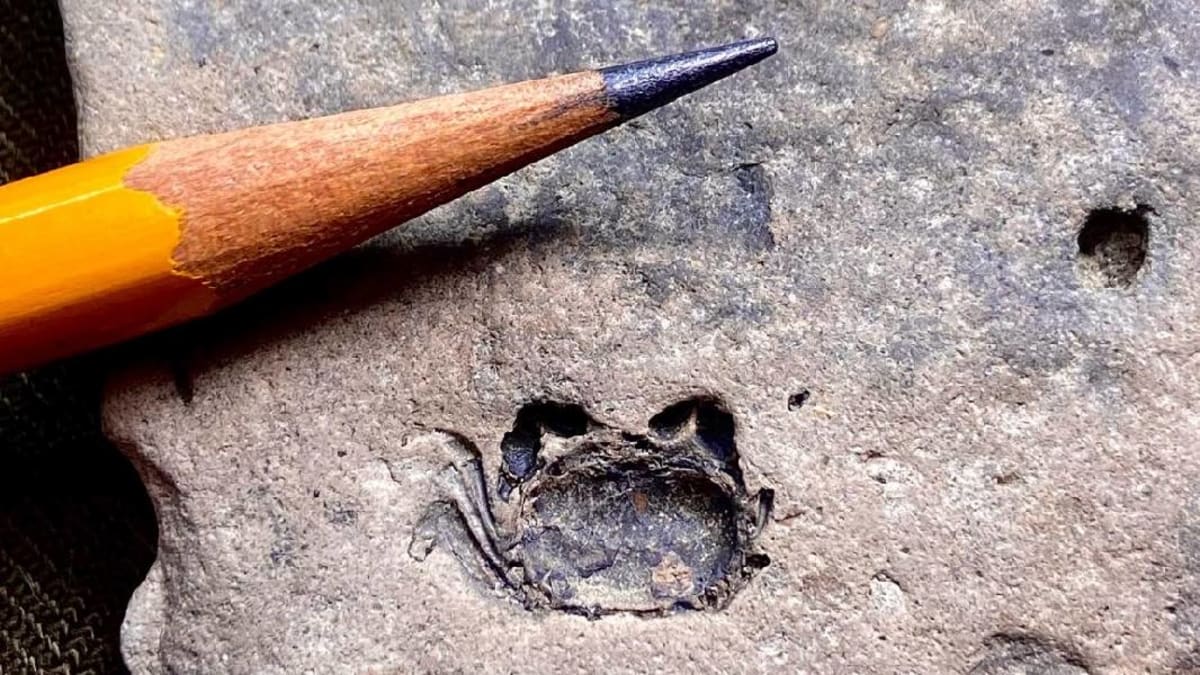
Now, scientists have named a newly discovered species in his honor: Pinnotheres prochowniki, a pea crab that scuttled along the ocean floor 10 million years ago during the Miocene Epoch.
The tiny crabs, no bigger than a pea, were found perfectly preserved inside the shells of ancient surf clams along Calvert Cliffs and the Potomac River in Virginia. The discovery came from a collaboration between researchers at the Calvert Marine Museum and Kent State University, published recently in the Journal of Crustacean Biology.
What makes these fossils extraordinary is their preservation. The crabs were rapidly buried in sediment while still inside their host clams, creating a snapshot of life frozen in time. Some fossils even contain delicate soft tissues like gills, details that rarely survive millions of years.
The fossils reveal an ancient relationship between species. These pea crabs lived exclusively inside one type of clam, possibly as parasites, just as their modern relatives do today in the Chesapeake Bay. Modern oyster crabs still nestle inside oyster shells, carrying on a lifestyle perfected over millions of years.
Why This Inspires
This discovery does more than add a new species to the fossil record. It connects the deep past to the present in a place where anyone can hunt for fossils, and it celebrates the passion of citizen scientists who make paleontology a community effort.
Bill Prochownik represented the best of this spirit. He wasn't a professional scientist, but his dedication helped countless visitors experience the thrill of holding prehistoric life in their hands. The researchers who worked alongside him chose to immortalize his legacy in the scientific name of a species that will be studied for generations.
The Calvert Marine Museum continues to welcome fossil hunters daily, offering a chance to walk the same beaches where these ancient crabs once lived. Admission costs $11 for adults, with reduced rates for children and seniors, and kids under five enter free.
In a world where ancient history can feel distant and disconnected, these tiny crabs remind us that the past lives beneath our feet, waiting to be discovered by anyone curious enough to look.
More Images


Based on reporting by Google: fossil discovery
This story was written by BrightWire based on verified news reports.
Spread the positivity!
Share this good news with someone who needs it