10 Nations Sign 100 GW Offshore Wind Pact by 2050
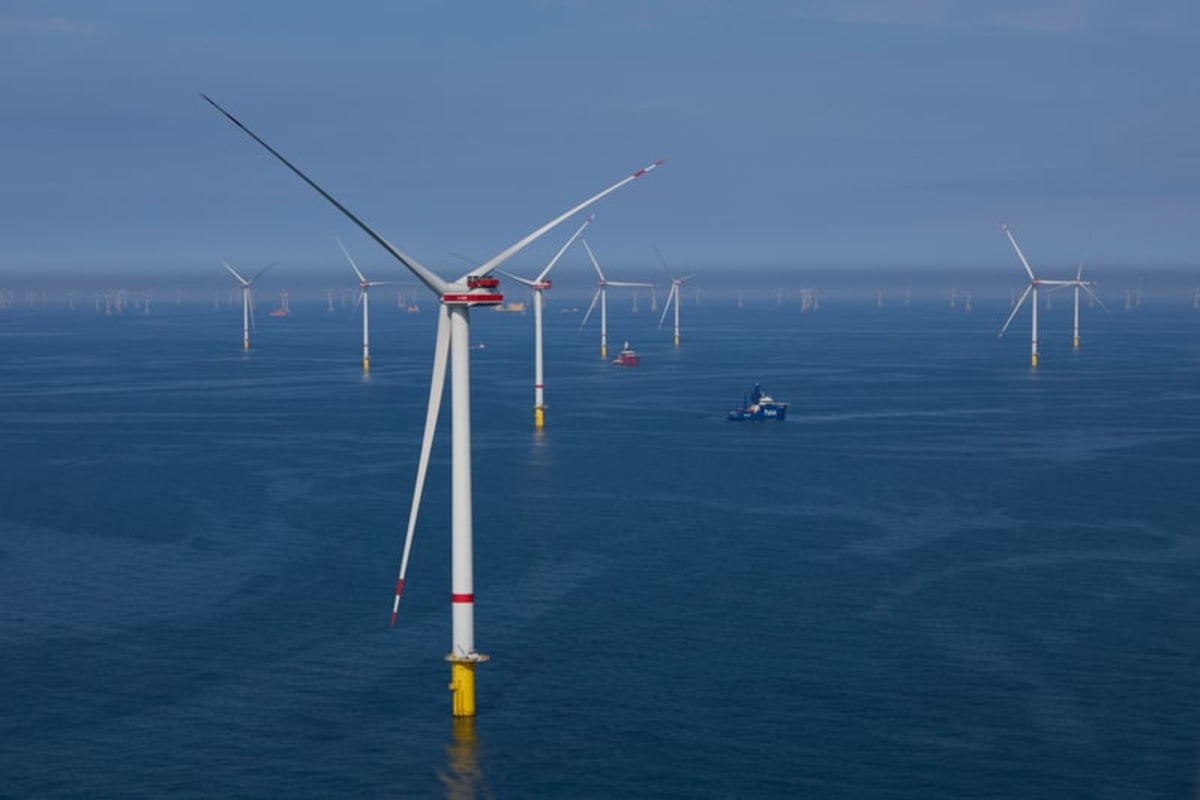
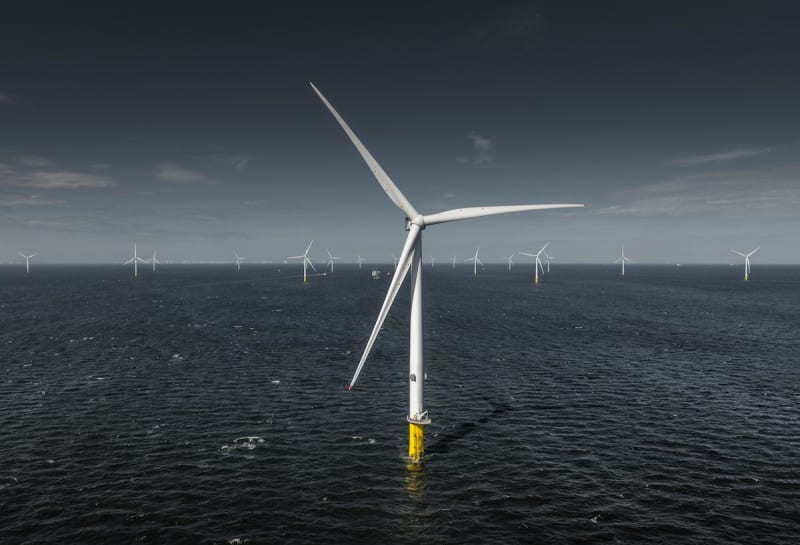
Ten European nations just committed to building 100 gigawatts of shared offshore wind power by 2050, transforming the North Sea into the world's largest clean energy hub. The historic Hamburg Declaration marks the first time countries will jointly develop wind farms connected across borders.
Ten European countries just made history by promising to turn the North Sea into a massive clean energy powerhouse that could light up millions of homes for generations.
UK Energy Secretary Ed Miliband joined leaders from Belgium, Denmark, France, Germany, Iceland, Ireland, Luxembourg, the Netherlands, and Norway in Hamburg on Monday to sign the Hamburg Declaration. The agreement commits them to building 100 gigawatts of joint offshore wind capacity by 2050, enough to power roughly 100 million homes.
What makes this different from past promises is how the wind farms will work. These won't be isolated projects owned by single countries. Instead, they'll be "offshore wind hybrid assets" that connect directly to multiple nations through shared underwater cables, letting clean electricity flow seamlessly across borders.
"We are standing up for our national interest by driving for clean energy, which can get the UK off the fossil fuel rollercoaster and give us energy sovereignty and abundance," Miliband said at the summit.
The timing couldn't be better. Since Russia's invasion of Ukraine, European nations have scrambled to reduce their dependence on volatile fossil fuel markets. This agreement builds on earlier pledges to develop 300 gigawatts of North Sea wind by mid-century, with one-third now targeted as collaborative projects.
The UK just proved this kind of ambition can work. Earlier this month, Britain's latest offshore wind auction secured 8.4 gigawatts of new capacity, the largest in European history. The project will support 7,000 jobs and unlock $28 billion in private investment.
The Ripple Effect
This deal goes far beyond just building more wind turbines. It represents a fundamental shift in how countries think about energy security and cooperation.
By linking wind farms across borders, no single country faces blackouts when the wind dies down in their area. When turbines spin fast off the coast of Denmark, that power can help the UK. When Scottish winds howl, German homes benefit. It's a shared insurance policy against energy shortages.
The economic benefits spread wide too. Shared infrastructure means lower costs for everyone. Coordinated planning reduces the impact on coastal communities. And standardized equipment across projects creates stable, long-term jobs in manufacturing and maintenance.
Jane Cooper from RenewableUK called the deal a turning point. "This historic declaration puts offshore wind right at the heart of Europe's power system, with the UK leading the way," she said.
Industry experts acknowledge the path forward won't be easy. Building underwater cables between countries requires complex coordination and sustained political commitment. Supply chains need strengthening, and costs remain high. But with energy security now a top priority, governments are betting that working together beats going it alone.
Ten nations just chose cooperation over competition, proving that the biggest challenges require the boldest partnerships.
More Images
Based on reporting by Google News - Clean Energy
This story was written by BrightWire based on verified news reports.
Spread the positivity!
Share this good news with someone who needs it