10 Nations Unite to Fast-Track Rare Disease Treatments
Patient groups from 10 countries just joined forces to speed up treatments for SYNGAP1, a rare genetic disorder affecting children worldwide. The new collective will coordinate research funding, clinical trials, and treatment access across continents.
Families fighting a rare neurological disorder just gained a powerful new weapon: each other.
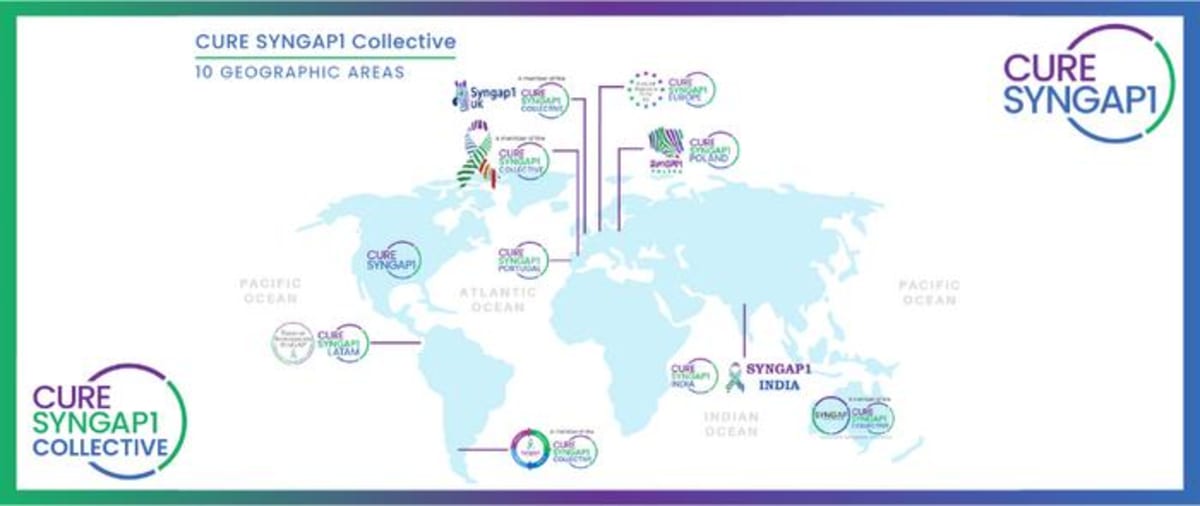
The CURE SYNGAP1 Collective launched this week, uniting patient organizations from the United States, United Kingdom, Australia, Netherlands, Colombia, Argentina, Poland, Spain, India, and Portugal. Their shared goal is to accelerate treatments for SYNGAP1-Related Disorders, a genetic condition that causes developmental delays, seizures, and intellectual disability in children.
The collective tackles a problem that has long frustrated rare disease families. When patient groups work in isolation, pharmaceutical companies and researchers must navigate different priorities, communication styles, and clinical trial standards in each country. That slows everything down.
Now, when drug developers want to engage with the SYNGAP1 community, they meet one coordinated global front instead of scattered regional groups. The collective streamlines research funding decisions, standardizes how the disease is measured, and ensures families worldwide are prepared to participate in clinical trials.
Virginie McNamar, President of CURE SYNGAP1 in the United States, explains the strategy plainly. "Clinical trials are global by nature," she says. "By coordinating our research funding and strategies, we strip away barriers and make it easier for industry and researchers to engage with our community."
Each member organization maintains full independence over its own fundraising and local operations. But when it comes to advancing science and bringing treatments to market, they speak with one voice.
The Ripple Effect
This model could transform how rare disease communities organize globally. Most of the 7,000 known rare diseases lack effective treatments, partly because small patient populations are scattered across the globe. When those communities coordinate like SYNGAP1 families are doing, they become impossible to ignore.
The collective focuses on three core areas: funding research that fills critical knowledge gaps, partnering directly with pharmaceutical companies and regulators to speed clinical trials, and training families to successfully participate in those trials. Crucially, they're also working to ensure that once treatments are approved, families in every member country can actually access them.
"We cannot afford to wait," says Katrien Deckers from Stichting SYNGAP Research Fund Europe. "This is about tomorrow, not a distant future."
For the estimated 1 in 50,000 children born with SYNGAP1 mutations, that coordinated urgency could mean the difference between treatments arriving in time or too late.
More Images
Based on reporting by Google News - Disease Cure
This story was written by BrightWire based on verified news reports.
Spread the positivity!
Share this good news with someone who needs it