Scientists Push Polio Eradication Into Final Mile
Global researchers gathered in Seattle to accelerate the science needed to eradicate polio forever. Their innovations are bringing the world closer than ever to a disease that once paralyzed hundreds of thousands of children each year.
For more than 50 years, scientific breakthroughs have protected millions of children from polio, and now researchers are closer than ever to wiping out the disease completely.
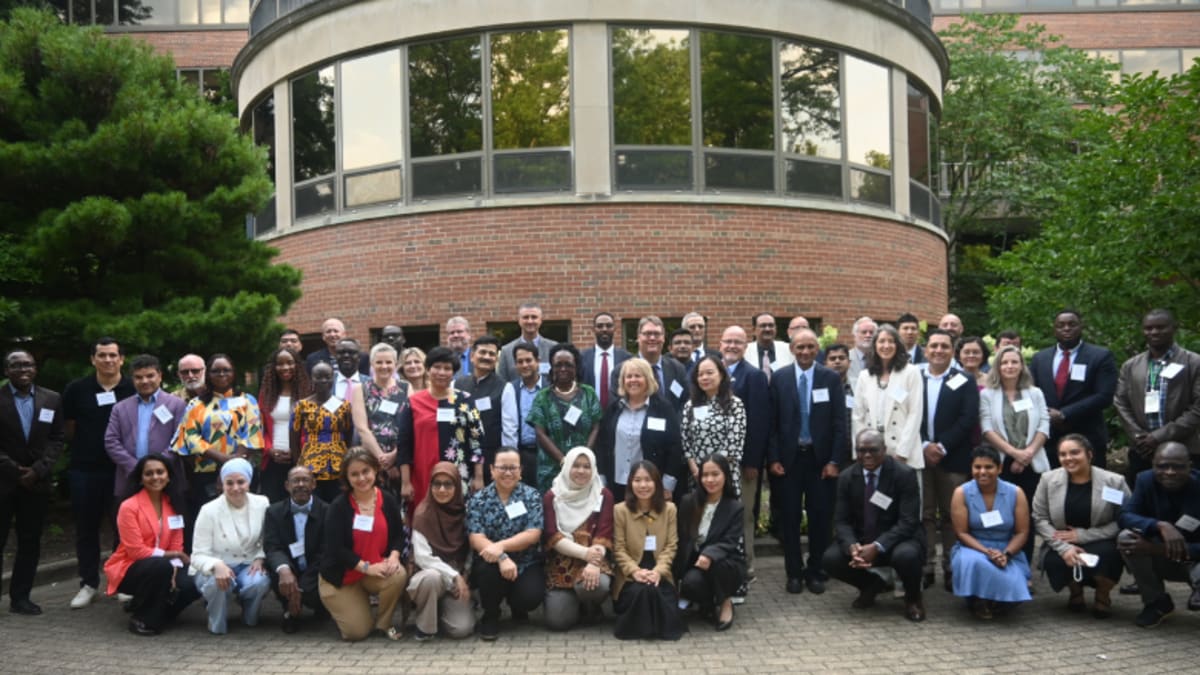
This month, the Global Polio Eradication Initiative brought together scientists from around the world in Seattle for a high-level research meeting. Experts in immunology, virology, vaccinology, and epidemiology gathered to tackle the toughest remaining questions standing between today and a polio-free world.
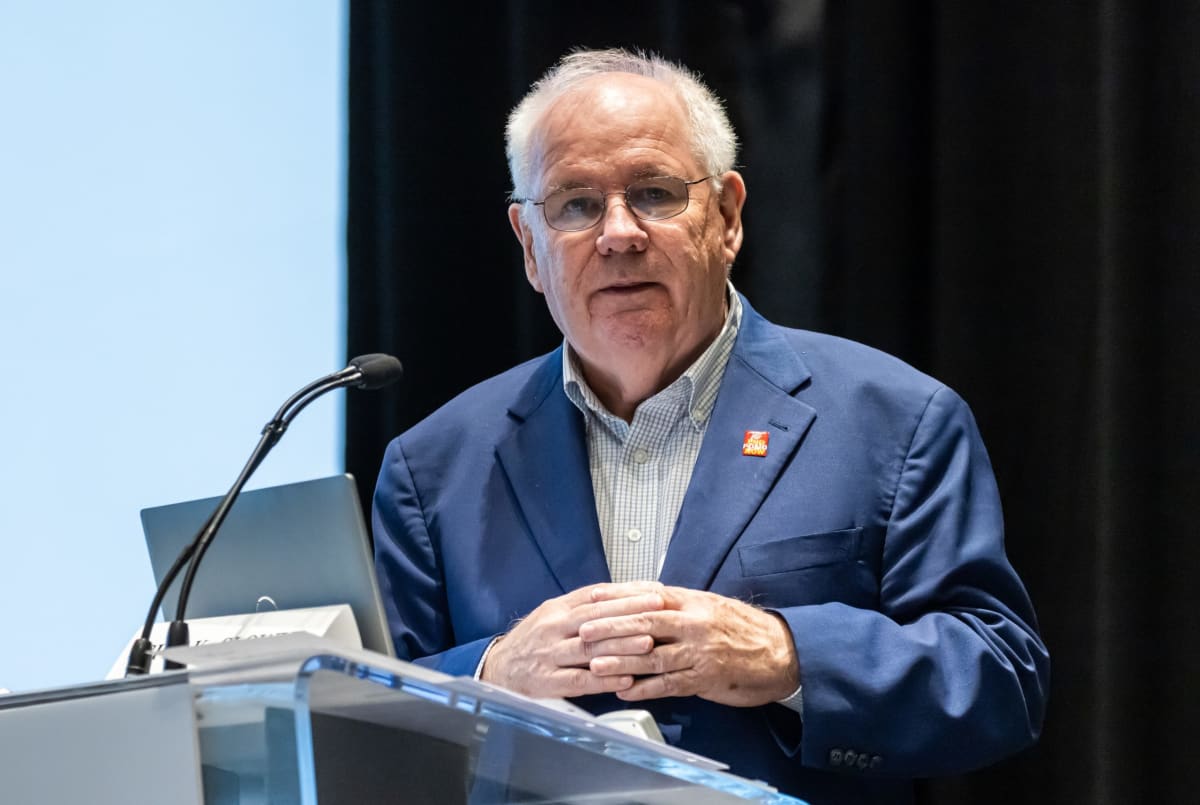
"Polio eradication has always been a science-driven programme," said Dr. Ondrej Mach, who coordinates global polio research at the World Health Organization. "Research does not sit alongside eradication. It is embedded within it."
The scientists explored how to improve vaccines, strengthen surveillance systems, and reach every child who still needs protection. They examined cutting-edge topics like mucosal immunity, vaccine performance, and genomic surveillance that tracks the virus in real time.
The meeting wasn't just about theoretical science. Every operational challenge in the field generates new scientific questions, and every answer helps protect more children.
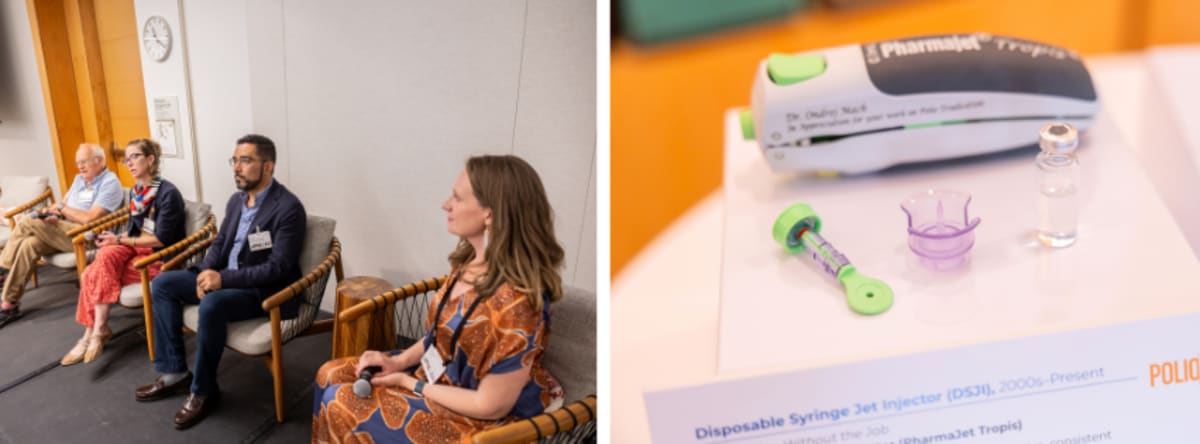
On Monday evening, participants visited the "Museum of a Polio-Free World," an exhibit showcasing the journey from iron lungs that once kept paralyzed children breathing to today's vaccines and cold-chain technologies. The display told the story of how far science has brought us and what tools remain to finish the job.
"Every major advance, from environmental surveillance to novel vaccines to new strategies of using existing tools, has come from asking better scientific questions and translating evidence into action," said Dr. Ananda Bandyopadhyay from the Gates Foundation.
Multiple partners are funding research studies that examine everything from optimizing vaccination schedules to understanding the social and behavioral reasons some children still miss their vaccines. Organizations like KSrelief support projects that turn scientific insights into real-world solutions.
The Ripple Effect
The innovations driving polio eradication are strengthening global public health far beyond one disease. Surveillance technologies developed to track polio now help detect other health threats. Cold-chain systems built to keep vaccines stable in remote areas serve entire immunization programs. The networks of researchers, health workers, and community volunteers created for polio eradication become infrastructure for tackling future challenges.
Dr. Elizabeth Brickley from the Colorado School of Public Health noted that the most important breakthroughs happen when researchers from different disciplines tackle shared challenges together. By connecting scientific discovery with program implementation, new evidence can rapidly translate into better strategies for protecting children.
Ann Marie Kimball from Rotary International summed up the mission: "The final mile of eradication demands continual innovation. Science has brought millions of children to the threshold of a polio-free world, and science will help us cross the finish line."
A generation of children will soon grow up never knowing the fear their grandparents felt when polio struck.
More Images
Based on reporting by Google: scientific discovery
This story was written by BrightWire based on verified news reports.
Spread the positivity!
Share this good news with someone who needs it