10 Rare Animals Emerge During Western Ghats Monsoon
India's Western Ghats transform into a wildlife spectacle each monsoon season when some of the world's rarest animals emerge from hiding. From underground frogs to dancing amphibians, these creatures appear for just a few precious weeks each year.
The first monsoon rains awaken a hidden world in India's Western Ghats, bringing out animals so rare that some exist nowhere else on Earth.
Among the most extraordinary is the Purple Frog, which spends almost its entire life underground in Kerala's hills. This strange creature surfaces for just a few rainy days each year to breed, making every sighting a treasure.
The Malabar Gliding Frog takes a different approach, leaping between trees in forests like Agumbe and Kudremukh. It builds foam nests above rain-filled pools, creating nurseries for the next generation high above the forest floor.
Perhaps most entertaining is the Gundia Dancing Frog, endemic to Karnataka's Gundia River basin. Males perform a foot-flagging display, waving their hind legs to attract females above the roar of swollen streams.
In Maharashtra's misty Amboli Ghat, the Amboli Bush Frog announces the monsoon's arrival with its loud breeding chorus. Its calls after dusk signal that the southwest monsoon has officially begun.
The critically endangered Resplendent Shrub Frog survives only in Eravikulam National Park, breeding among high-altitude grasslands near Anamudi Peak. Meanwhile, the Malabar Torrent Toad clings to rocks in fast-flowing streams using sticky toe pads, thriving where few amphibians can survive.
Not all monsoon specialists are amphibians. The Cochin Forest Cane Turtle, one of the world's rarest turtles, emerges to feast on mushrooms and fallen vegetation in Kerala's evergreen forests. The giant Malabar Tree Nymph butterfly glides through Silent Valley and surrounding hills, reaching peak numbers during the wettest months.
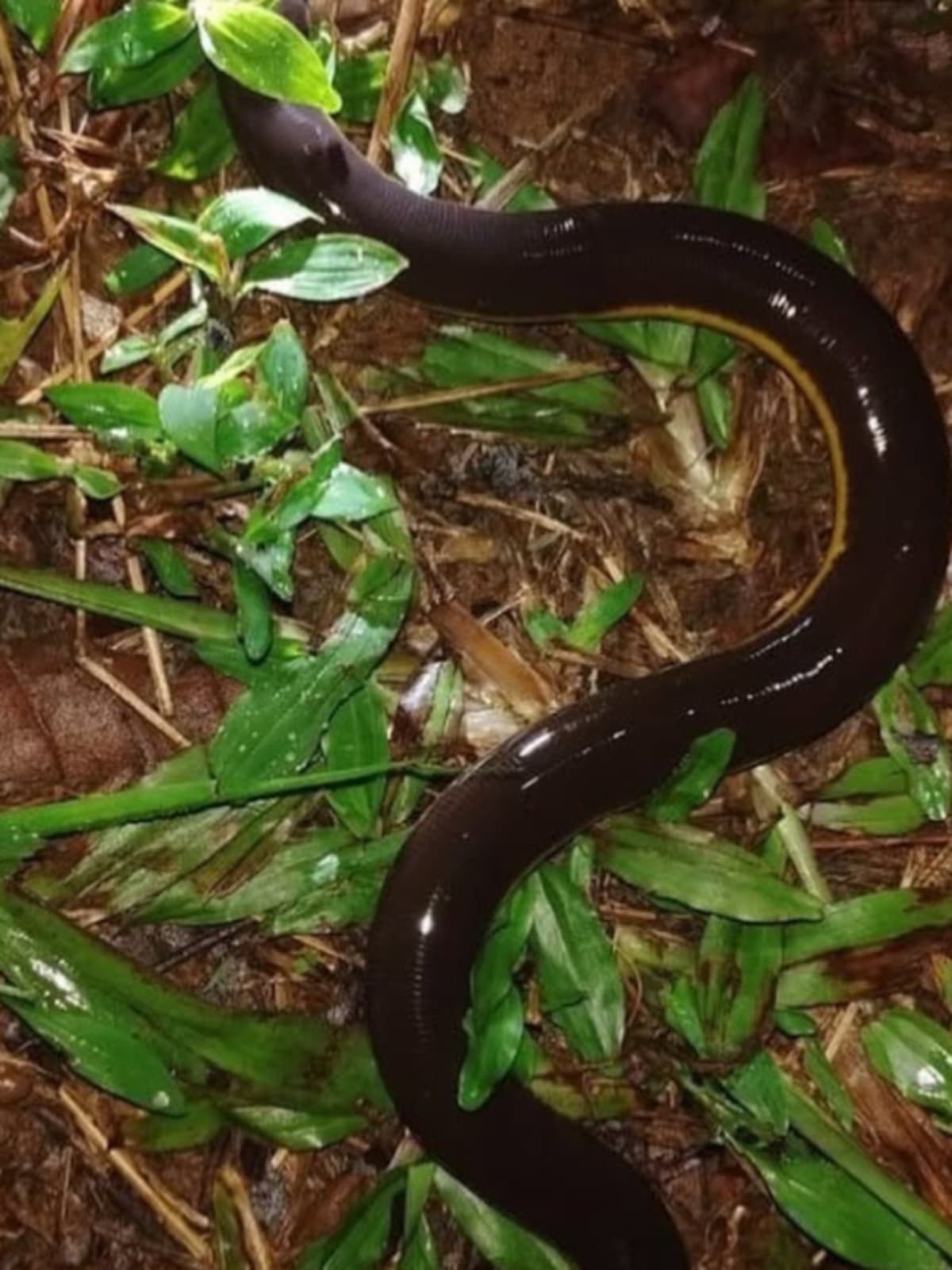
Even the limbless Nilgiri Caecilian appears, crawling from rain-softened soil despite often being mistaken for a snake. The Malabar Pit Viper becomes especially active on rainy nights, its green scales blending perfectly with mossy forests.
Why This Inspires
Many of these species exist nowhere beyond the Western Ghats, making every monsoon crucial for their survival. Protecting these forests means safeguarding one of the world's richest hotspots of life found nowhere else.
Each rainy season proves that nature still holds secrets worth discovering and protecting.
Based on reporting by The Better India
This story was written by BrightWire based on verified news reports.
Spread the positivity!
Share this good news with someone who needs it