10 Rare Barn Owls Born in Northern Ireland After 50 Years
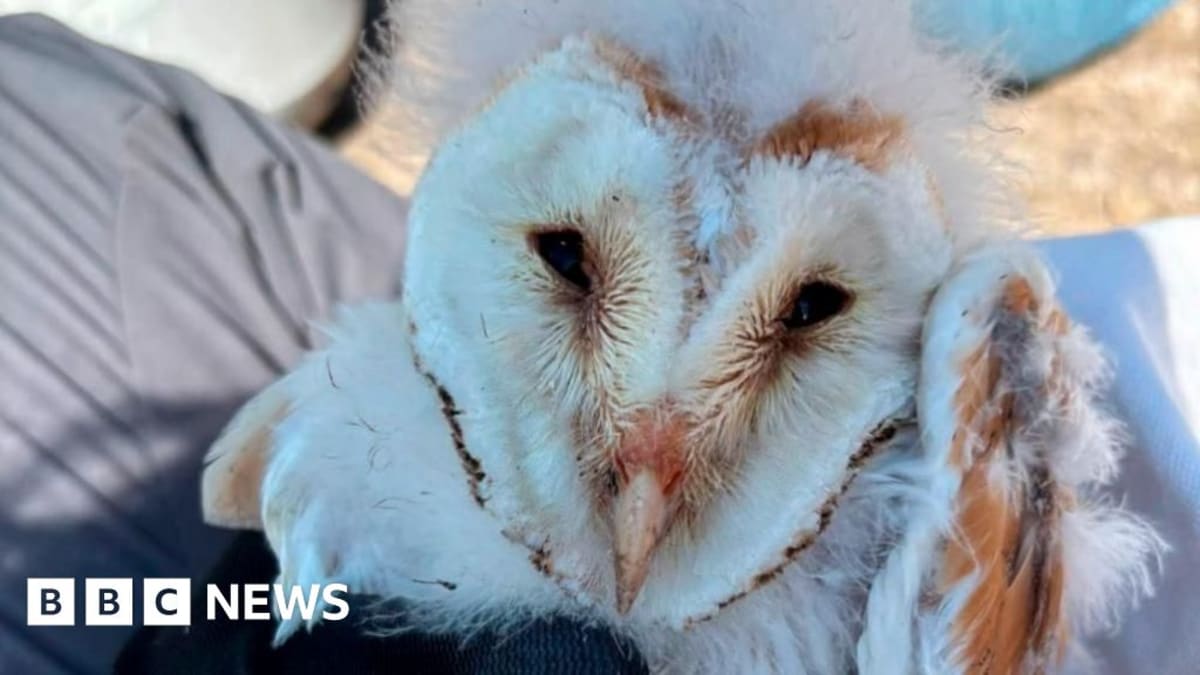
For the first time in half a century, barn owl chicks have hatched in County Fermanagh, marking a major win for one of Northern Ireland's rarest birds. Ten fluffy chicks arrived this summer thanks to farmers who transformed their land into safe havens for the endangered species.
After 50 years of absence, the haunting silhouette of barn owls is returning to County Fermanagh's skies, and this summer brought the best news yet: 10 healthy chicks.
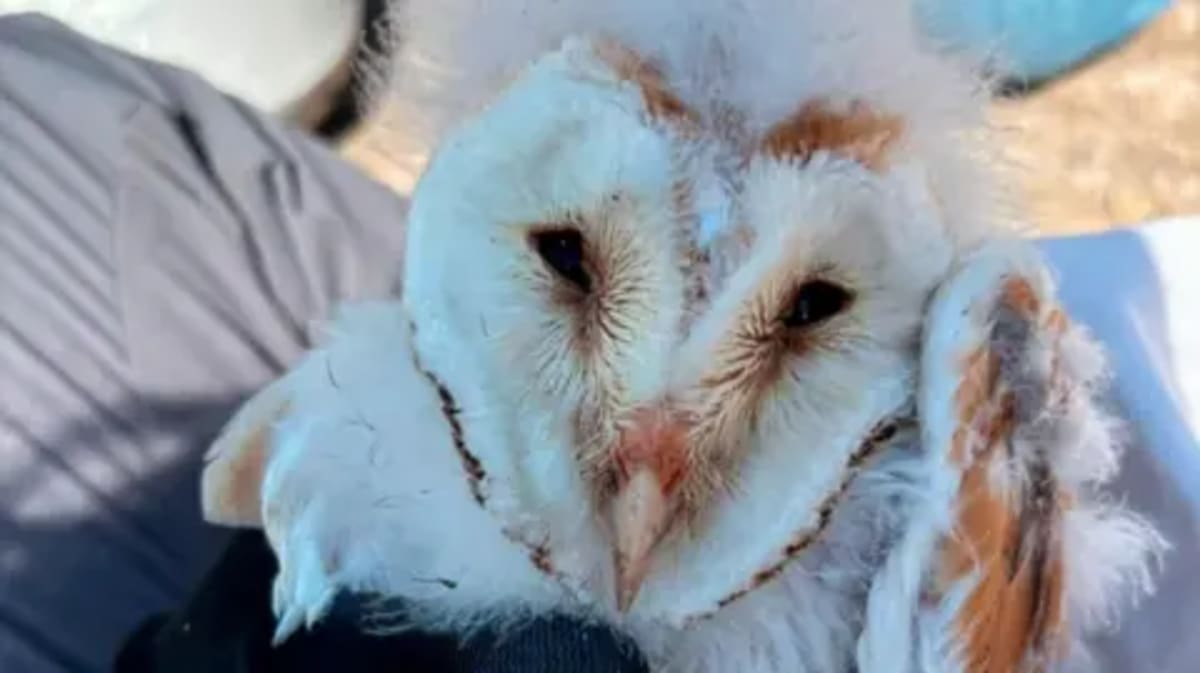
The fluffy newcomers hatched across two secret farm locations in Northern Ireland, where fewer than 30 breeding pairs remain. Conservation officers from Ulster Wildlife discovered the two broods of five chicks each during routine nest box checks this summer.
The breakthrough follows more than a decade of patient work with local farmers. Katy Bell, a senior conservation officer, says the success comes from landowners who chose to adapt their farms for the "magical, mystical" birds.
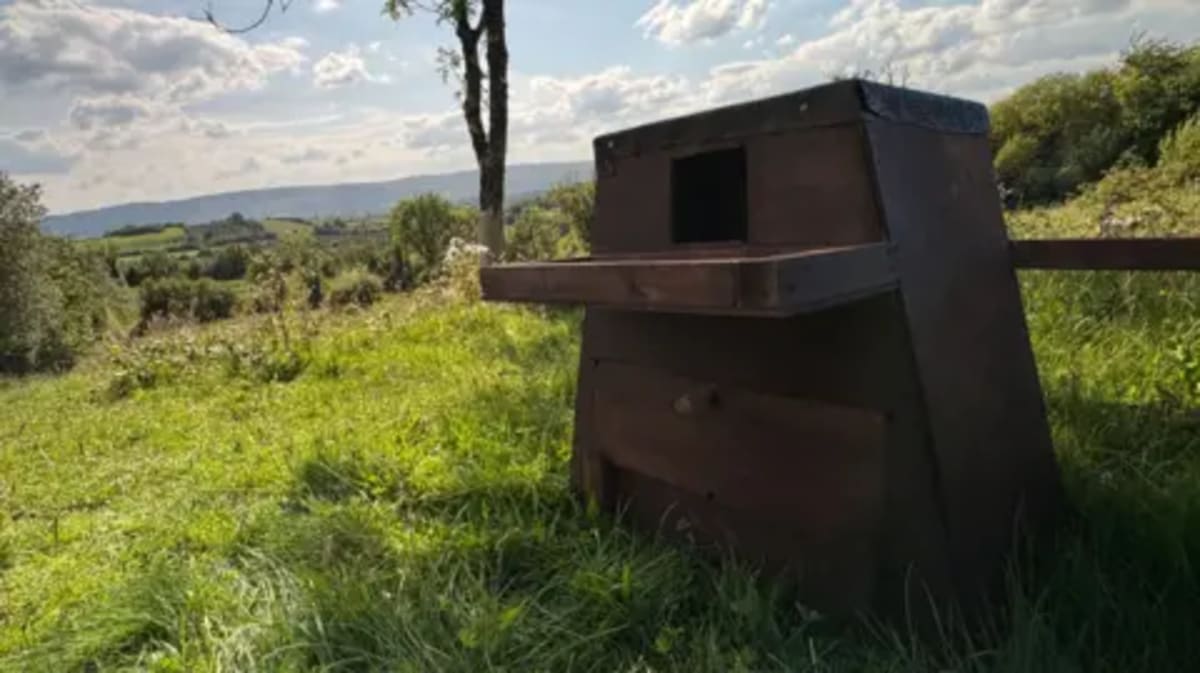
Farmers planted thick hedgerows and left patches of long grass where the owls hunt mice and rats. They installed specially designed nest boxes that mimic the tree cavities barn owls naturally seek but can no longer find as old trees disappear.
Each chick now wears a small identification ring on its leg. It's the first time officials have ringed barn owl chicks in Northern Ireland under a special license, allowing conservationists to track where the birds travel after leaving home.
The Ripple Effect
The farmer cooperation is spreading beyond Fermanagh. Bell says she has "a long, long list" of farmers requesting nest boxes for their properties.
The motivation is partly practical. Barn owls provide free pest control, naturally managing rodent populations that threaten crops and stored grain. One family of barn owls can consume thousands of mice and rats each year.
But farmers are also protecting something irreplaceable. Barn owls face threats from every direction: rodent poison, disappearing trees, shrinking hedgerows, and fast roads. The species is now red-listed across the UK, classified as at risk of extinction.
These farm sanctuaries give the birds fighting chances. The population has begun spreading north from County Cavan in Ireland, filling in gaps that have existed for generations.
Bell describes barn owls as unforgettable. Despite being roughly the size of a wood pigeon, their wingspan makes them appear much larger. "You see them hovering over the field and you'll get this just big flash of white," she says. "And it's just like nothing else you'll see."
Conservationists are asking the public to report barn owl sightings, especially in western areas, to help map breeding territories and protect crucial habitat. Every observation helps build a clearer picture of where these rare birds are making comebacks.
The success in Fermanagh proves that when farmers and conservationists work together, even species on the brink can find their way back home.
More Images

Based on reporting by BBC Science
This story was written by BrightWire based on verified news reports.
Spread the positivity!
Share this good news with someone who needs it