Nigeria Leads African Push for AI-Powered Drought Prevention
Nigerian scientists are bridging the gap between cutting-edge technology and real-world solutions to stop drought before it destroys crops and livelihoods. At a major UN conference, experts revealed how satellite data and artificial intelligence could transform farming across Africa.
African farmers could soon predict droughts weeks or months in advance, thanks to a bold new vision for connecting science with action on the ground.
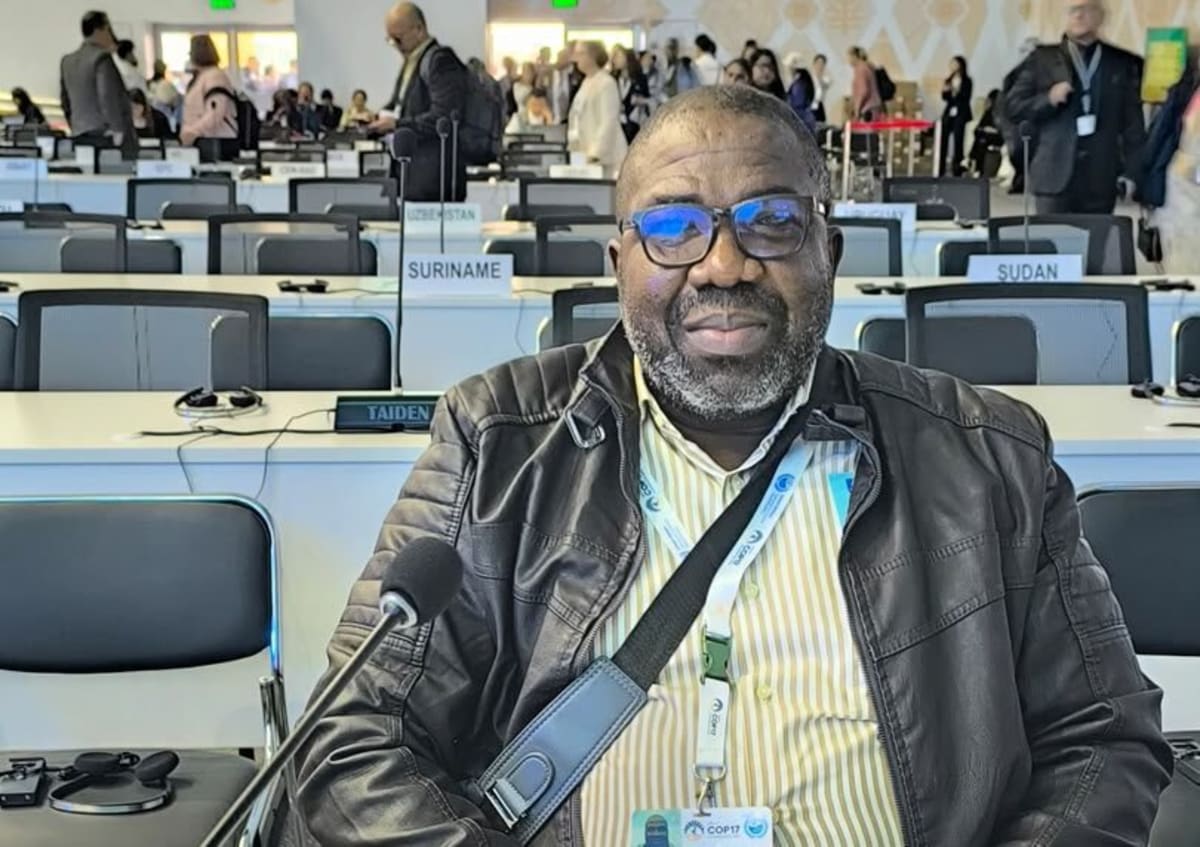
At COP17 in Mongolia, Professor Oluseyi Ifatimehin from Kogi State University laid out a practical roadmap for Nigeria and other African nations to tackle land degradation and drought using tools that already exist. The challenge isn't lacking knowledge. It's putting that knowledge to work where it matters most.
Nigeria faces a critical gap in how it monitors soil health, groundwater, and vegetation across vast farmlands. While satellites capture valuable data from space, this information needs to combine with observations from actual farms and communities to be truly useful. Right now, scientists can tell you where drought happened last year, but farmers need to know where it will strike next season and what to do about it.
Two Nigerian universities presented innovative proposals at the conference. Federal University Lokoja introduced programs focused on ecopreneurship and resilient food systems, while Confluence University of Science and Technology showcased plans for measuring and restoring degraded land in Kogi State. These aren't just academic exercises. They represent real partnerships between researchers and communities.
The technology needed to prevent drought disasters already exists. Satellites can monitor vegetation stress and soil moisture across entire regions faster than any ground survey. Artificial intelligence can crunch this data alongside rainfall patterns and historical records to generate specific forecasts for individual farms.
The missing piece is translation. Scientists produce excellent research papers, but government officials need simple answers: What's the problem? What will it cost? What works? When will we see results?
The Ripple Effect
When early warning systems connect with agricultural advisors, a drought prediction becomes an action plan. Farmers receive specific guidance on when to plant, which crop varieties survive dry conditions, and how to conserve water. Livestock herders learn where to move animals before water sources dry up.
Professor Ifatimehin envisions national land and drought observatories that combine satellite technology with ground observations, giving Nigerian farmers the same predictive tools available in wealthier nations. Universities would shift from simply publishing papers to becoming active partners in national land restoration programs.
The real test is simple: Can scientific evidence change what happens on an actual farm? If satellites detect emerging drought conditions and a farmer adjusts their planting schedule based on that warning, the system works. If researchers identify degraded soil and restoration techniques actually rebuild that land, science and policy have connected.
African nations don't need futuristic technology or massive new inventions. They need to deploy existing tools at scale, invest in local scientific institutions, and create clear pathways from research to farm fields. The knowledge exists. Now it's time to put it into farmers' hands.
More Images


Based on reporting by Premium Times Nigeria
This story was written by BrightWire based on verified news reports.
Spread the positivity!
Share this good news with someone who needs it