Northern Vietnam Transforms Beef Industry for Climate Future
Vietnam's beef farmers are pioneering a green revolution that could reshape how the world raises cattle. Instead of simply producing more meat, they're building a sustainable system that cuts emissions while feeding their communities.
Vietnam's beef industry is proving that feeding people and fighting climate change can go hand in hand.
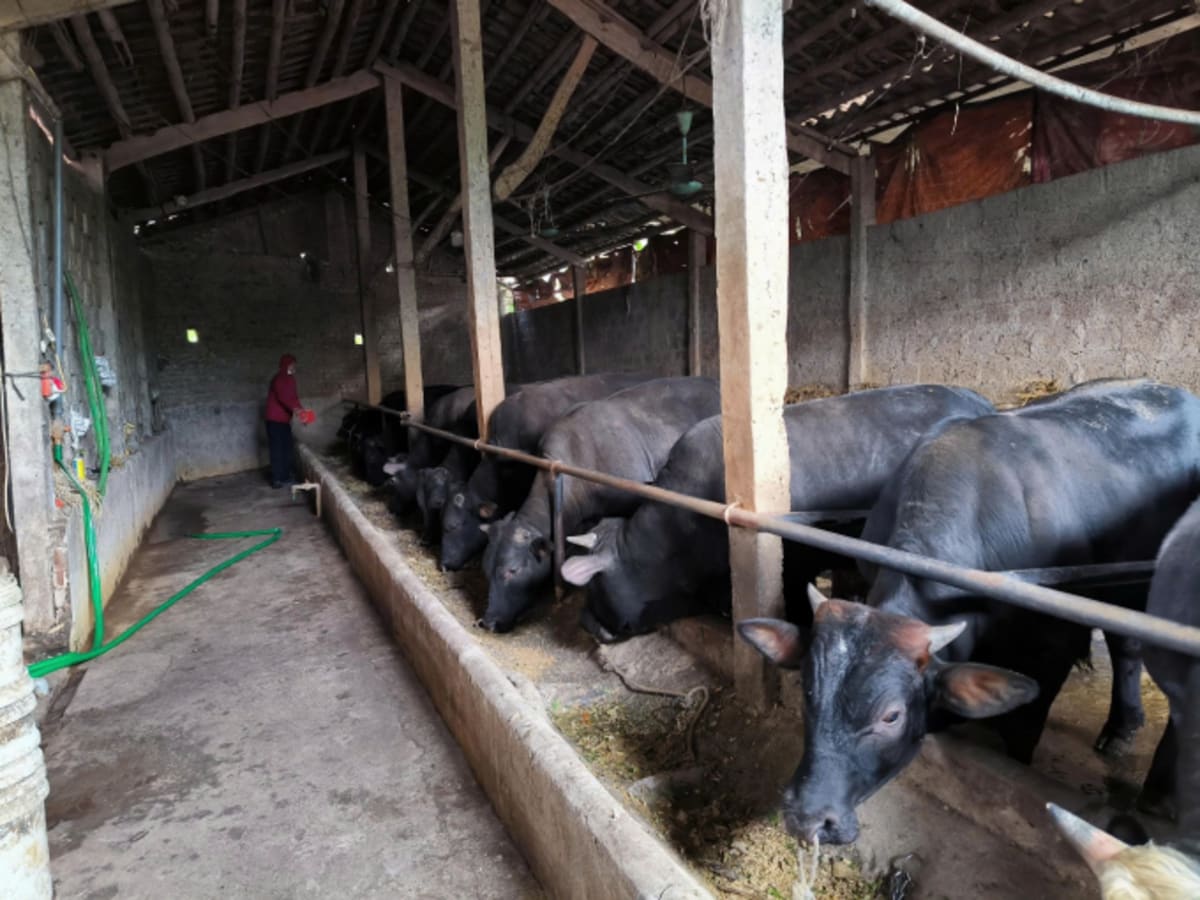
In Northern Vietnam, cattle farmers are shifting from traditional growth-focused methods to sustainable practices that dramatically reduce their environmental footprint. The transformation comes as global livestock systems emit 6.2 billion tons of greenhouse gases annually, with cattle farming responsible for 62% of all livestock emissions.
The challenge is urgent and real. Without action, global livestock emissions will rise 6% by 2034, even as productivity improves. Methane from cattle digestion, waste management, and feed production drive most of these emissions.
But Northern Vietnam isn't applying a one-size-fits-all solution. The Red River Delta faces high population density and shrinking land for waste treatment. The Northern Midlands and Mountains region has abundant grasslands but small-scale farms with limited technology. The North Central region, home to the country's largest cattle herd, is attracting major investments in large-scale farms using high-yielding hybrid breeds like BBB, Brahman, and Droughtmaster.
Each region is developing solutions tailored to its unique conditions. Farmers are improving productivity per animal, optimizing feed to reduce methane, and turning agricultural waste into valuable resources through circular economy models.
The Ripple Effect
This green transformation goes far beyond cutting emissions. The Food and Agriculture Organization defines it as improving the entire value chain, from breeding and feeding to waste treatment and renewable energy use. Farmers are also developing market systems that let consumers trace products from farm to table.
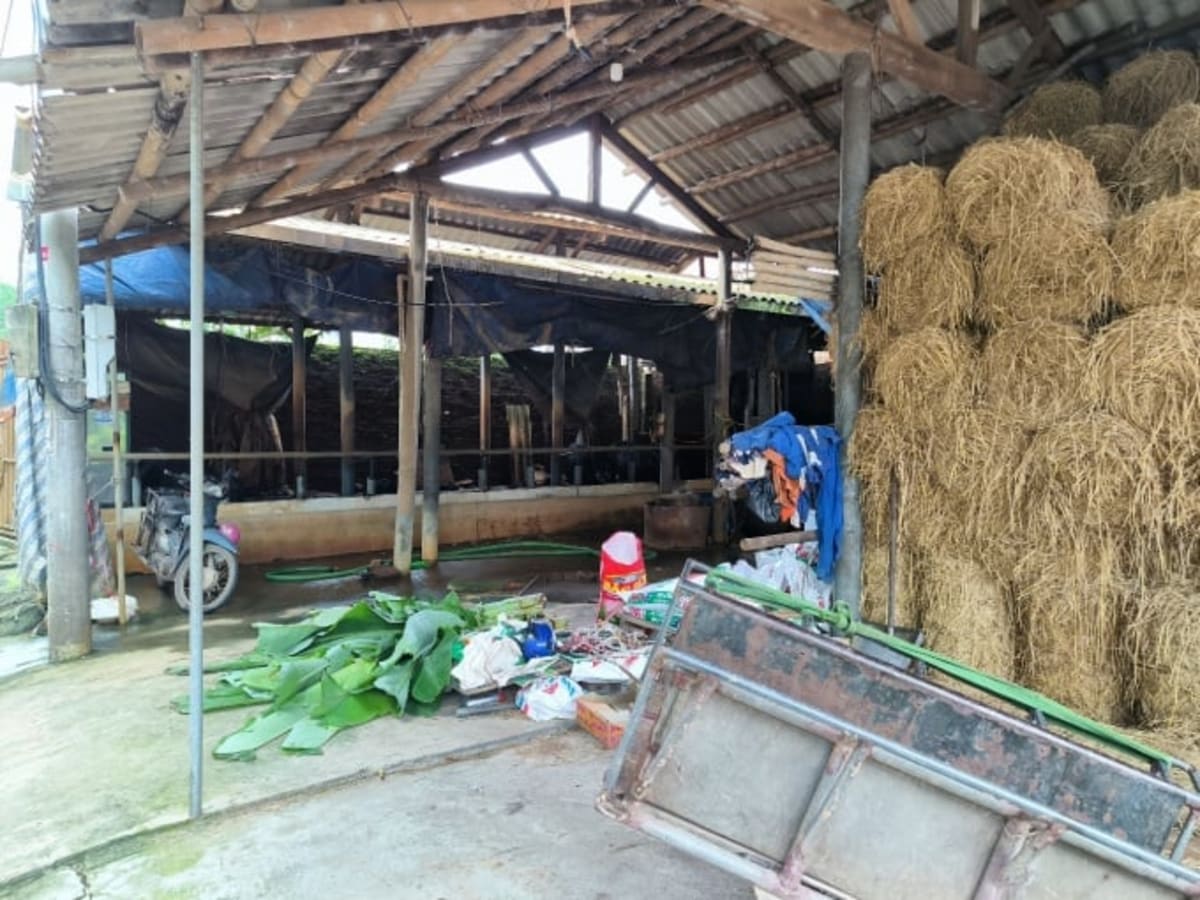
By focusing on productivity improvements and feed optimization rather than just post-production cleanup, Vietnamese farmers are achieving environmental benefits that ripple through their entire economy. Agricultural byproducts become livestock feed. Waste becomes energy. Every input serves multiple purposes.
The approach addresses both global climate commitments, including Vietnam's net zero pledge by 2050, and local concerns about food safety and competition from imported beef. Consumers increasingly demand sustainable, traceable products, and Vietnamese farmers are meeting that call.
This transformation shows that sustainable farming isn't just environmentally necessary, it's economically smart and competitively vital for the next generation of agriculture.
More Images


Based on reporting by Google News - Vietnam Growth
This story was written by BrightWire based on verified news reports.
Spread the positivity!
Share this good news with someone who needs it