10 Species Brought Back From Near-Extinction
Conservation efforts have pulled ten endangered species back from the brink, proving that focused action can reverse even the direst wildlife trends. From bald eagles to desert antelopes, these recoveries show what's possible when people commit to saving a species.
Conservation wins don't always make headlines, but they're happening more often than you might think.
Ten species around the world have defied extinction predictions through careful planning, legal protections, and breeding programs that took decades to show results. Their recoveries prove that even when populations shrink to dangerously low numbers, the right actions can turn things around.
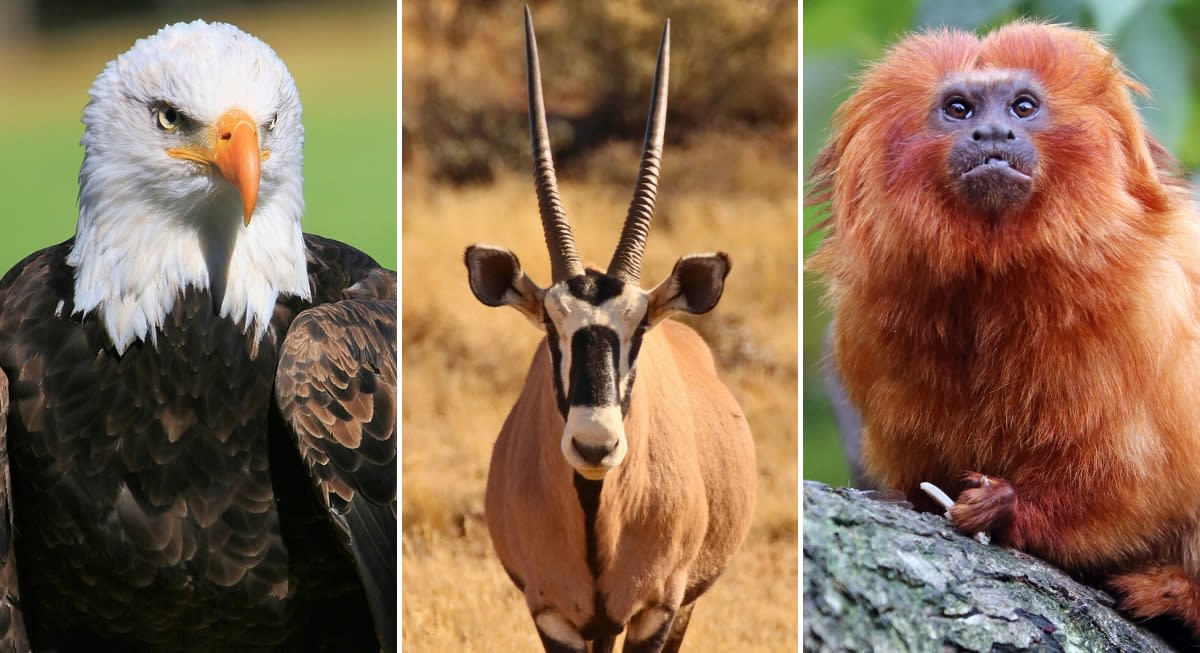
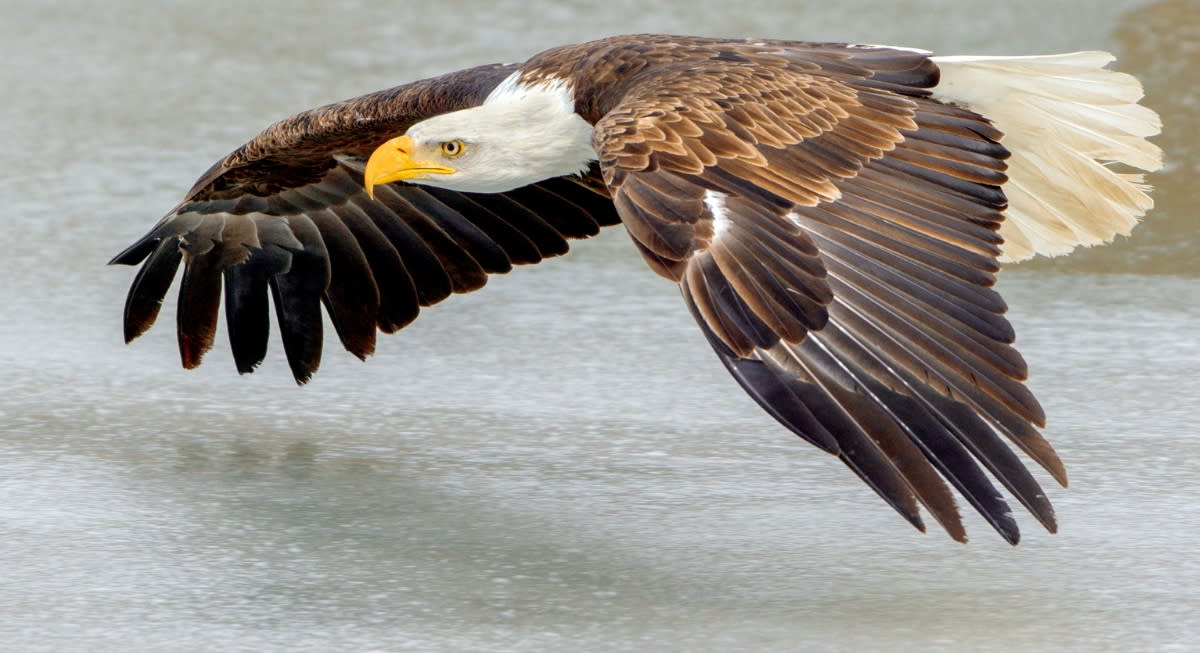
The bald eagle's comeback stands out as one of America's most visible success stories. By the early 1960s, only a few hundred nesting pairs remained after DDT contaminated their food chain and weakened their eggs. When the pesticide was banned and habitat protections were put in place, eagle populations rebounded to hundreds of thousands across the country.
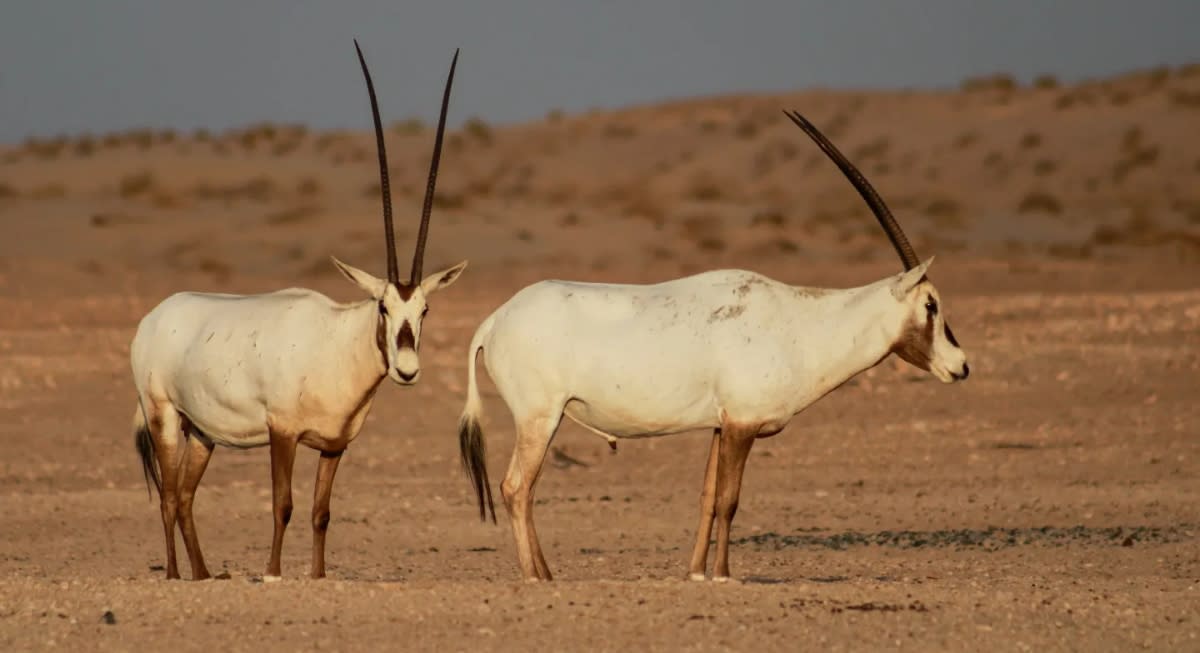
The Arabian oryx disappeared completely from the wild in the early 1970s after intense hunting. A small captive population became the species' only hope, and zoos coordinated breeding efforts that eventually reintroduced thousands of these desert antelopes into protected Middle Eastern habitats.
Northern elephant seals faced similar odds after hunters nearly wiped them out for their blubber in the late 19th century. A tiny group survived on a remote Mexican island, and legal protections gave them the space they needed to recover without human interference. That isolated colony grew into today's population of over 150,000 individuals.
Brazil's golden lion tamarins dropped to fewer than 200 in the wild during the 1970s as their Atlantic Forest habitat disappeared. Conservationists partnered with zoos to breed the bright orange primates and reintroduce them into restored areas, though urban expansion still poses ongoing challenges.
American alligators earned endangered status in the late 1960s after heavy hunting across the southeastern United States. Strict regulations and careful population monitoring worked so well that within two decades, alligators were removed from the endangered list entirely.
Przewalski's horse vanished from Mongolia by the mid-20th century but survived in zoos. Reintroduction programs starting in the 1990s brought them back to protected reserves, and populations have stabilized across several countries.
The island night lizard, confined to a few California islands, nearly disappeared after invasive species damaged its habitat. Federal protections and habitat restoration produced dramatic results, expanding the population into the millions in one of the most successful reptile recoveries on record.
The Ripple Effect
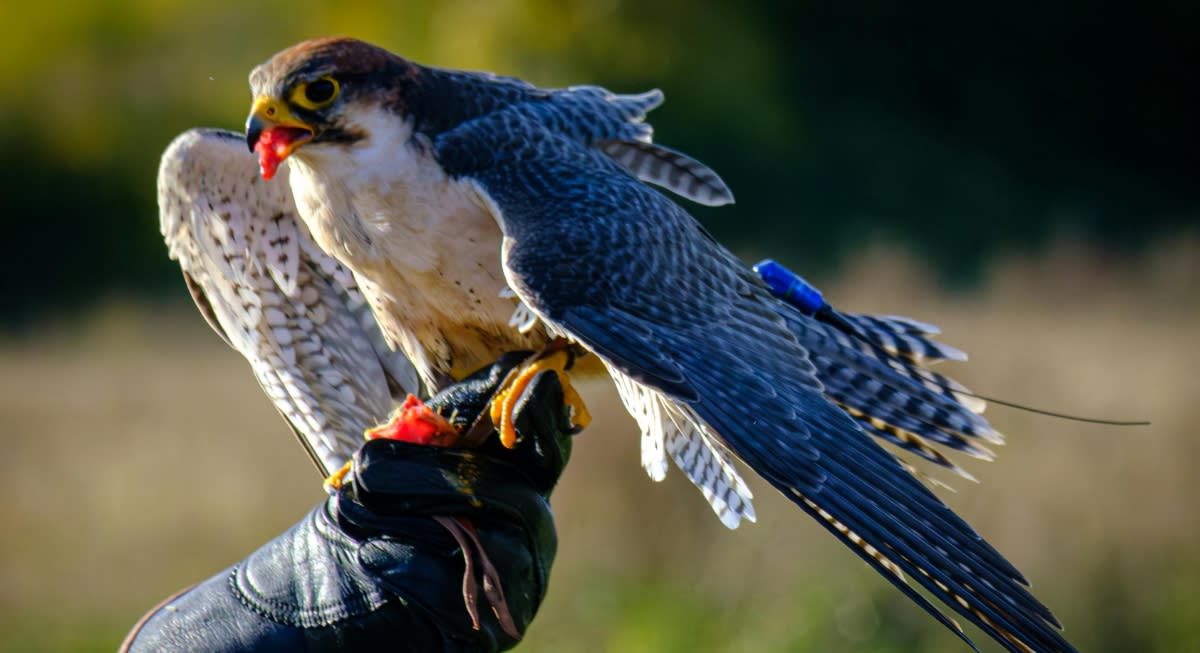
These recoveries demonstrate more than individual species survival. When alligators returned to southeastern wetlands, their nesting and movement patterns reshaped entire ecosystems. West Indian manatees, once threatened by boat collisions, have more than tripled since the early 1990s after speed limits were introduced in Florida waters. Peregrine falcons adapted so well after DDT bans that they now thrive in urban environments.
The Burmese star tortoise recovery started with fewer than 200 confiscated animals and grew into breeding programs that have produced thousands, with many now back in Myanmar's protected areas.
Each recovery required years of coordinated effort, trial and error, and policy changes that prioritized species survival over short-term interests.
These ten species prove that extinction isn't inevitable when people decide something is worth saving.
More Images

Based on reporting by Google: species saved endangered
This story was written by BrightWire based on verified news reports.
Spread the positivity!
Share this good news with someone who needs it