10 Volunteers Help Track Fish in Oregon Marine Reserves
Ten volunteer anglers are helping Oregon scientists understand whether marine reserves actually work. By fishing inside and outside protected zones, they're gathering data that could shape ocean conservation for decades.
Oregon's coast just got some unusual fishermen who want smaller catches, not bigger ones.
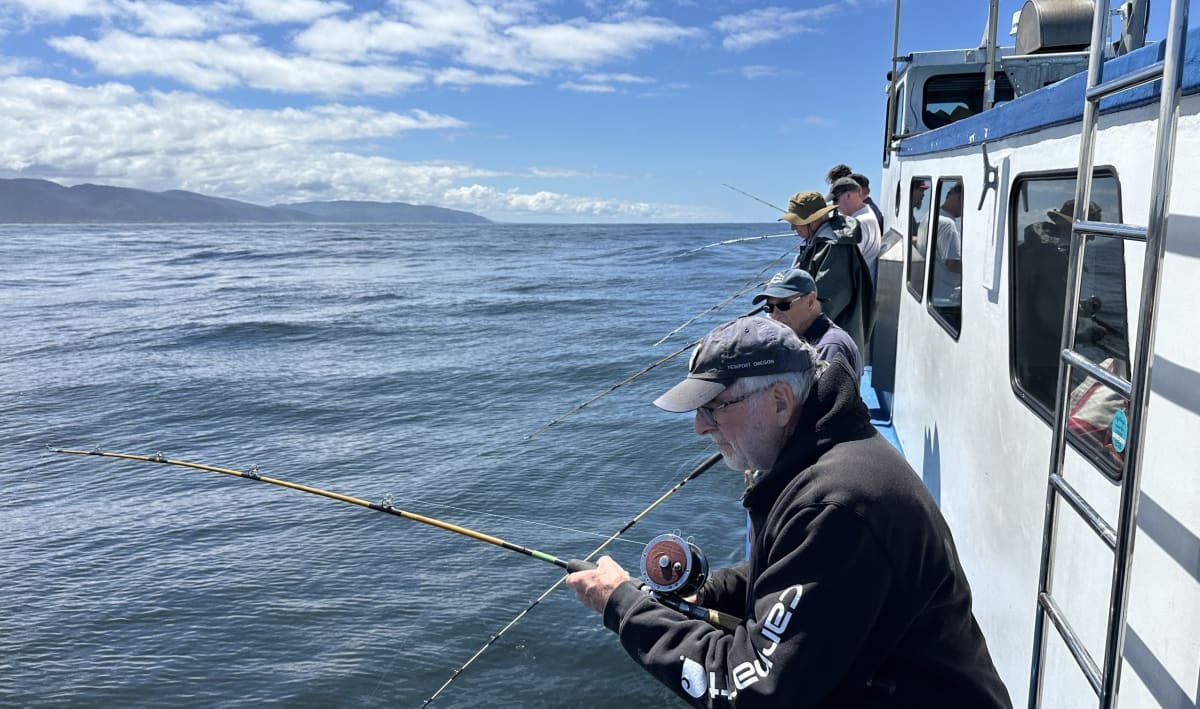
Ten volunteers spent two days this week catching, measuring, and releasing rockfish to help the Oregon Department of Fish and Wildlife answer a critical question: Do marine reserves actually help fish populations recover? On Wednesday, they fished inside the Cape Perpetua Marine Reserve, where commercial and recreational fishing has been banned. On Thursday, they tried their luck at Seal Rock, a popular fishing spot outside the reserve.
This wasn't a casual fishing trip. Every angler used identical gear and followed strict timing: 15 minutes of fishing, 15 minutes of waiting, repeated throughout eight hours as their charter boat drifted through a precise grid. Each fish caught was measured, weighed, tagged when possible, and returned alive to the ocean.
The method creates a perfect comparison. By using the exact same techniques in the same locations year after year, ODFW scientists can track whether protected areas truly make a difference in fish numbers and sizes.
The data goes back to 2010, before the marine reserve protections took effect. That historical baseline lets researchers spot real changes over time, not just random variations. The volunteer crews will make one more trip this spring, then return for three days in late summer or early fall to continue the long-term study.
Oregon maintains five marine reserves along its coast, and ODFW is also testing waters this year in the Cascade Head reserve. The Cape Perpetua reserve has already yielded surprises: it's the only Oregon reserve where brown rockfish have been caught and tagged, suggesting protected zones might support greater biodiversity.
The Ripple Effect
This citizen science project shows how everyday people can contribute to meaningful conservation research. The volunteers aren't marine biologists, just fishing enthusiasts willing to follow scientific protocols. Their efforts create data that would cost hundreds of thousands of dollars if collected by professional crews alone.
The research has implications far beyond Oregon's shores. As ocean ecosystems face pressure from climate change and overfishing, understanding which conservation methods actually work becomes crucial. Marine reserves represent a significant sacrifice, closing productive fishing grounds to let nature recover. Proving whether that sacrifice pays off helps policymakers make smarter decisions about protecting our oceans.
Every fish measured by these volunteers adds another data point to humanity's understanding of ocean recovery. That's a catch worth celebrating.
More Images



Based on reporting by Google: volunteers help
This story was written by BrightWire based on verified news reports.
Spread the positivity!
Share this good news with someone who needs it