Firefly Atlas Crowdsources Data to Save Rare Species
Citizen scientists are helping researchers document rare fireflies like the Marsh Imp, filling crucial gaps in conservation data. The Firefly Atlas has already led to exciting discoveries across the Southeast, including species missing for a century.
When Jonathan Storm trudged through a South Carolina marsh at sunset with his butterfly net, he wasn't just chasing pretty lights. He was hunting for proof that rare Marsh Imp fireflies lived there.
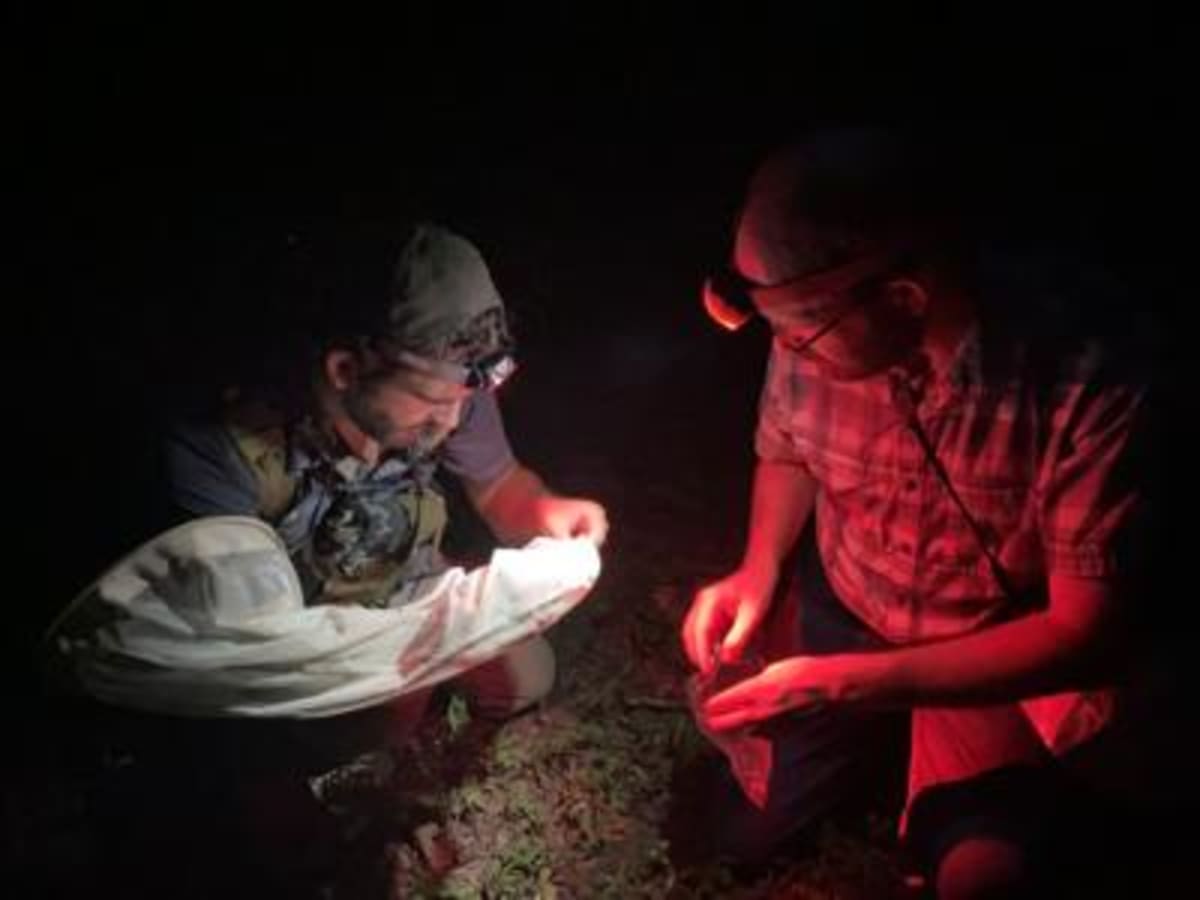
Storm, a biology professor at USC Upstate, led a firefly walk through the Edwin M. Griffin Nature Preserve in Spartanburg. After several missed swings, he finally caught his target and photographed it for the Firefly Atlas, a crowdsourced database helping scientists learn about these glowing beetles.
The challenge? Identifying fireflies in the wild requires careful attention. Marsh Imps flash every three to four seconds without shooting upward, while common Big Dippers flash every five to seven seconds and zip up mid-glow. Storm had to distinguish his target among dozens of species lighting up the wetlands.
His patience paid off. The photographs confirmed what he suspected: Marsh Imps were living in the preserve, a finding now documented for future researchers.
The discovery highlights a bigger problem. In 2021, researchers assessed 132 North American firefly species and found that 18 faced extinction. But more than half were data-deficient, meaning scientists simply don't have enough information to know if they're threatened.
"It's not necessarily easy to get research dollars to study insects like fireflies when you don't have an economic imperative," said Clyde Sorenson, an entomologist at N.C. State University. "Even though ecologically, they're really, really important."
The Ripple Effect
The Firefly Atlas is changing that by enlisting everyday people. Anyone can catch fireflies, photograph them, and submit observations along with flash patterns and environmental data. Experts then verify the species, building a public database that researchers can access.
The results are already exciting. Kentucky surveyors have added two new species to their state list. In North Carolina, observers discovered a possible new ghost firefly species similar to the recently identified Piedmont Blue Ghost but appearing later in summer.
In South Carolina's Midlands, citizen scientists documented a Shadow Chaser firefly that hadn't been seen in a hundred years. Storm himself discovered another species while fishing with his daughter along Lawsons Fork Creek.
These discoveries matter because they help scientists understand which fireflies need protection and where they live. Every photograph and observation fills gaps that traditional research funding can't always address.
The project proves that conservation doesn't require a PhD. It just takes curiosity, a camera, and a willingness to spend summer evenings watching nature's light show while contributing to science.
More Images

Based on reporting by Google News - Researchers Find
This story was written by BrightWire based on verified news reports.
Spread the positivity!
Share this good news with someone who needs it