100 Years Ago, a 10-Pound Rocket Launched the Space Age
A college professor's 11-foot invention flew for just three seconds into a cabbage patch on a snowy Massachusetts farm. That brief flight 100 years ago made possible every rocket launch since, including NASA's upcoming return to the Moon.
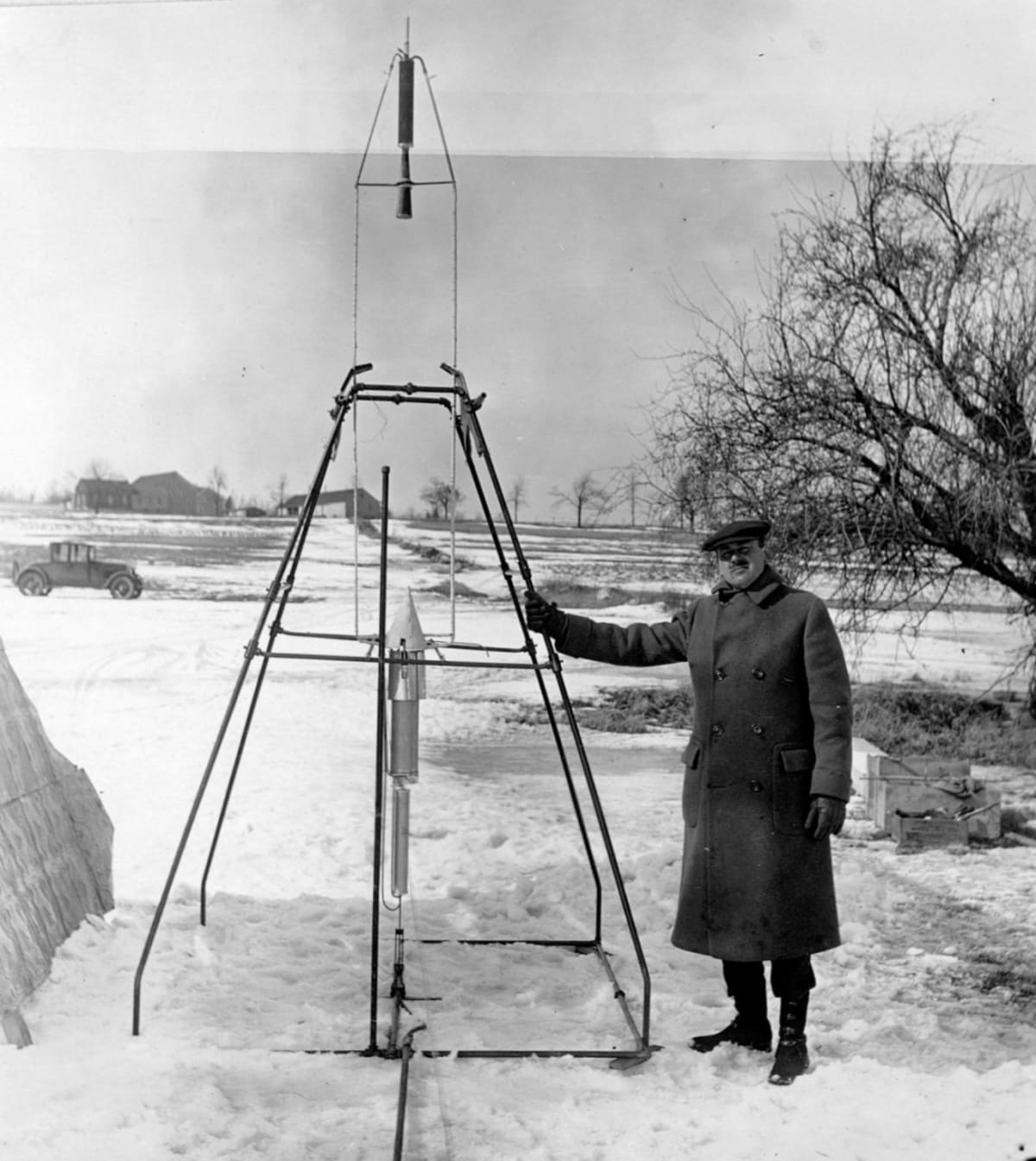
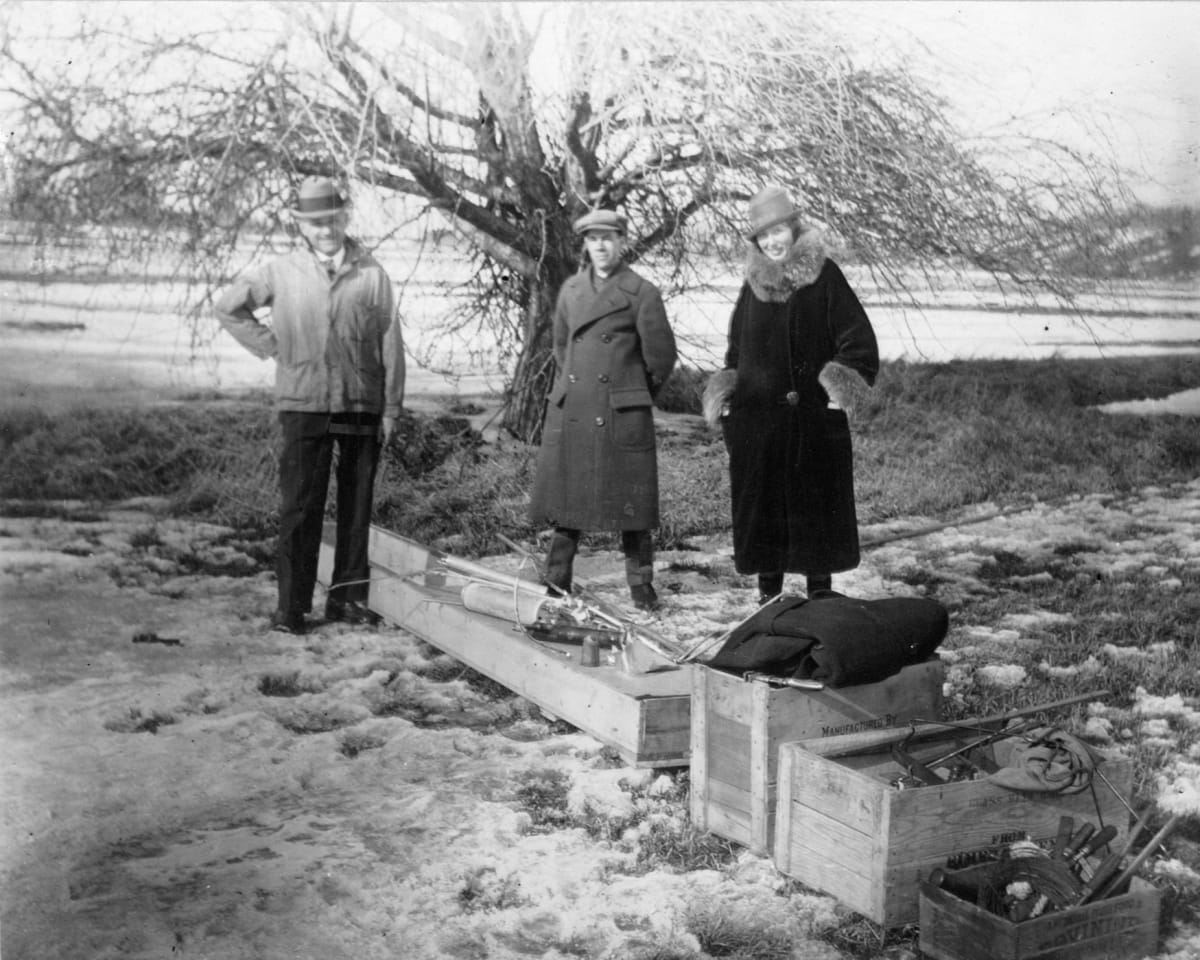
On March 16, 1926, Dr. Robert Goddard lit a blowtorch under a gangly contraption named "Nell" in his aunt's snowy field. The 10-pound rocket climbed 41 feet, traveled 60 yards, and landed in a cabbage patch after less than three seconds of flight.
That brief journey changed everything. Goddard had just launched the world's first liquid-fueled rocket, creating the technology that would eventually carry humans to space.
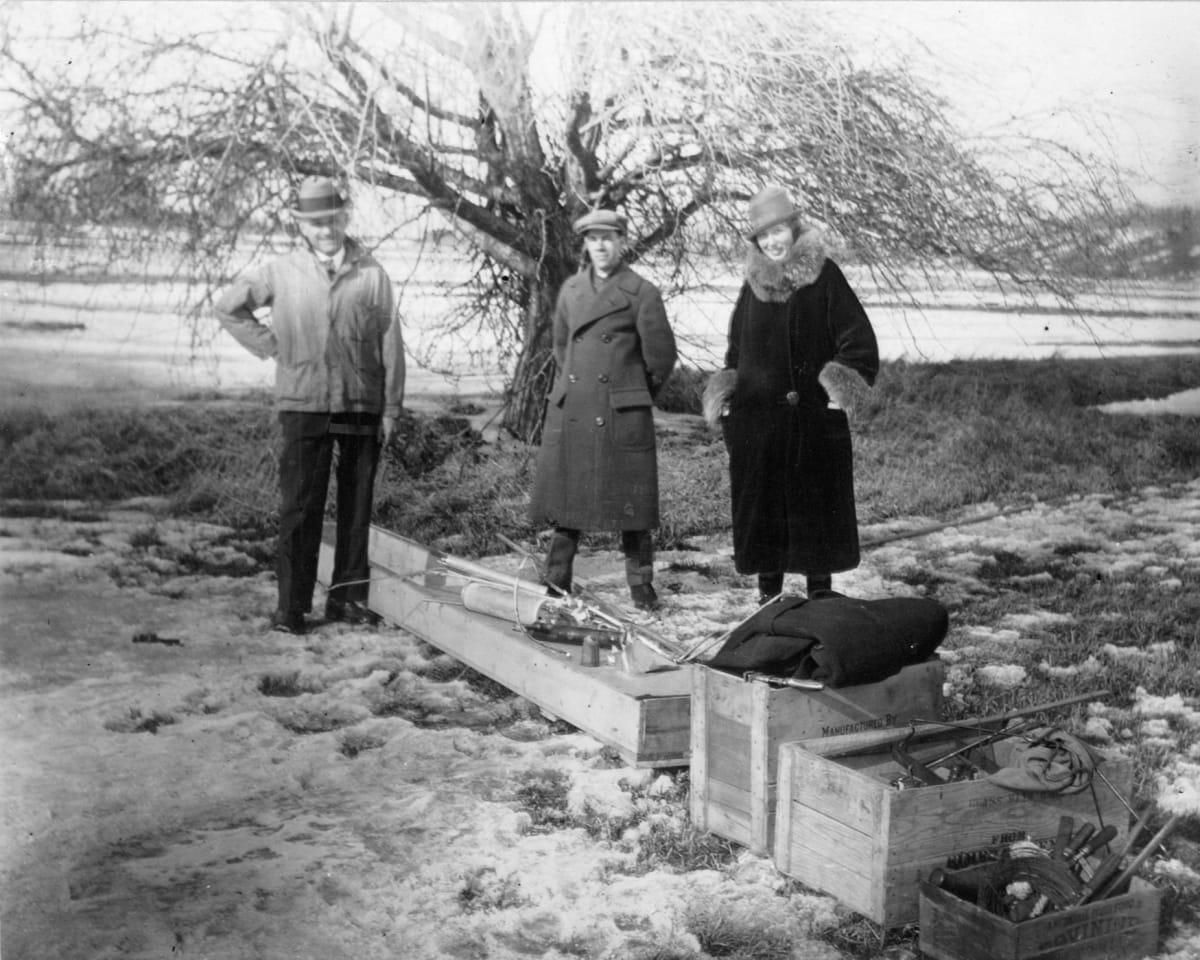
The Clark University professor had spent years methodically building and testing Nell, filling her with gasoline and liquid oxygen. His wife Esther and two colleagues watched that cold Tuesday morning as the contraption rose into the air. "It looked almost magical as it rose," Goddard wrote in his journal the next day, "as if it said, 'I've been here long enough; I think I'll be going somewhere else, if you don't mind.'"
Recognition came slowly. Six years before the launch, The New York Times mocked Goddard's suggestion that rockets could reach the Moon, claiming he lacked "the knowledge ladled out daily in high schools." The newspaper insisted rockets couldn't function in the vacuum of space with no air to push against.
Goddard ignored the ridicule. He continued refining his designs for nearly two decades until his death in 1945.
By the dawn of the Space Age, the significance of that cabbage patch flight became crystal clear. NASA honored the pioneer by naming its first new complex the Goddard Space Flight Center in 1959. Every liquid-fueled rocket since has built on his breakthrough.
Why This Inspires
Goddard's journal entry that snowy morning contained a line that captured his entire life's work: "It is difficult to say what is impossible, for the dream of yesterday is the hope of today, and the reality of tomorrow."
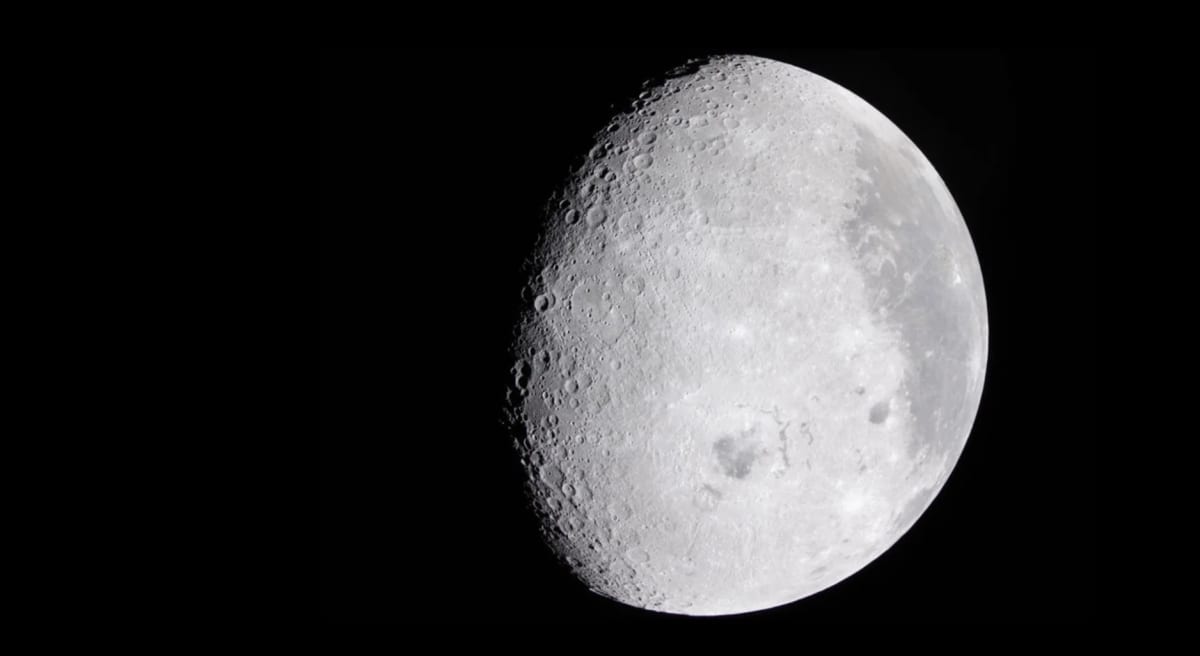
He was right. This year, NASA's Artemis II mission will carry astronauts around the Moon for the first time since 1972 using the Space Launch System rocket. That massive vehicle stands 30 times taller and weighs half a million times more than Nell.
But it still runs on liquid fuel, exactly as Goddard predicted and pioneered 100 years ago in a field next to a cabbage patch.
From three seconds in Massachusetts to journeys around the Moon, one professor's determination proved that today's ridicule can become tomorrow's reality.
More Images
Based on reporting by NASA
This story was written by BrightWire based on verified news reports.
Spread the positivity!
Share this good news with someone who needs it