100 Years Later, Goddard's 40-Foot Rocket Reaches the Moon
A rocket that flew just 40 feet in 1926 launched the technology now carrying astronauts back to the moon. Robert Goddard's liquid-fueled design became the blueprint for every major spacecraft since.
One hundred years ago, a physics professor launched a contraption 40 feet into the air from a Massachusetts cabbage field and changed human history forever.
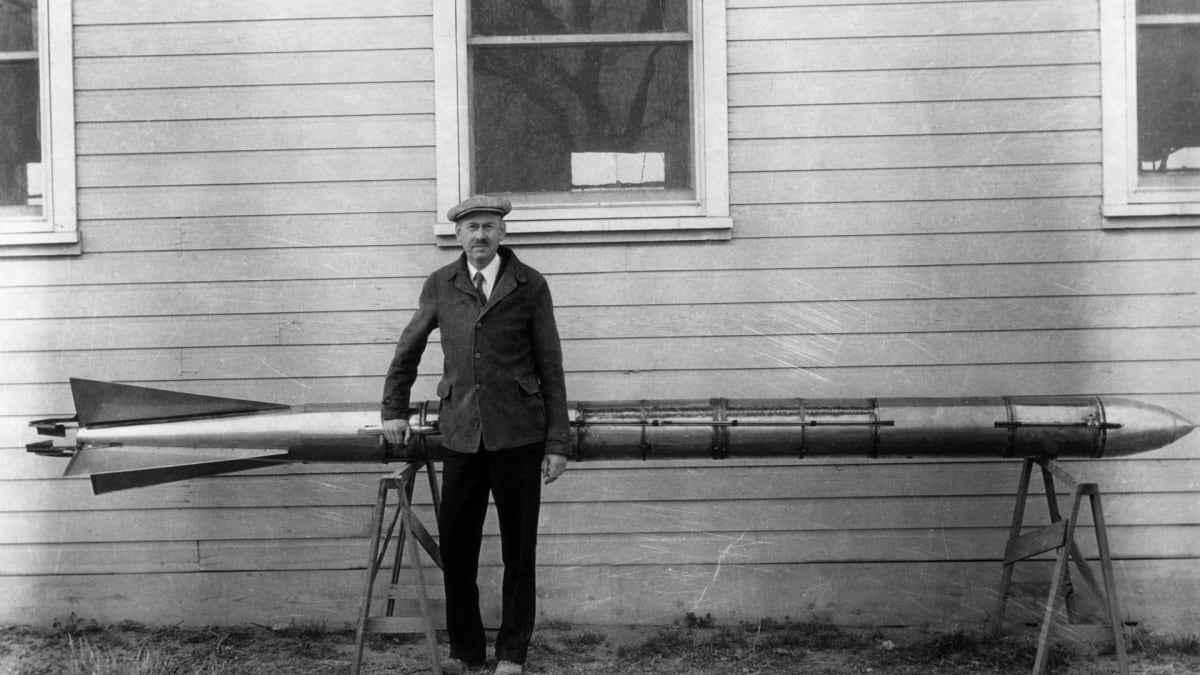
Robert Goddard's liquid-fueled rocket flew for the first time on March 16, 1926. That brief flight in Auburn, Massachusetts introduced technology so revolutionary that it carried astronauts to the moon less than 50 years later.
Standing only 10 feet tall, Goddard's rocket burned liquid oxygen and gasoline instead of solid propellants. This was a game changer because liquid fuel could be controlled and throttled, unlike solid boosters that burn completely once ignited.
Goddard continued refining his designs, creating turbopumps, gimbaling engines, and gyroscopic guidance systems. These breakthroughs became the foundation for nearly every rocket that followed, from military missiles to orbital launch vehicles to the spacecraft that carried humans into space.
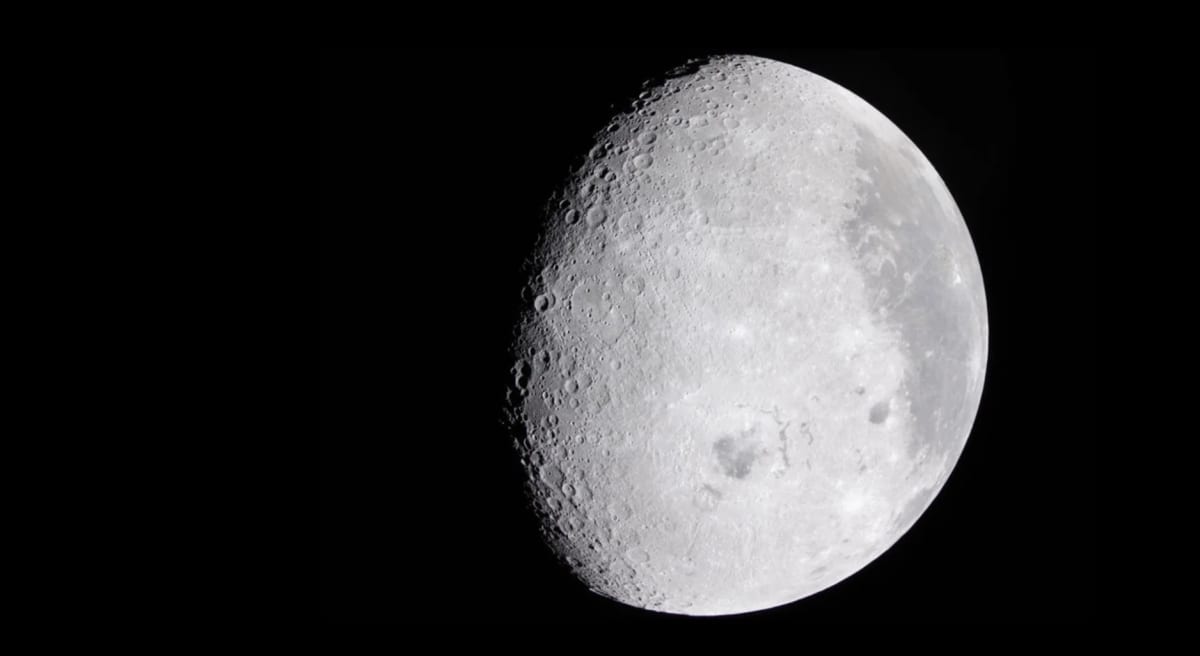
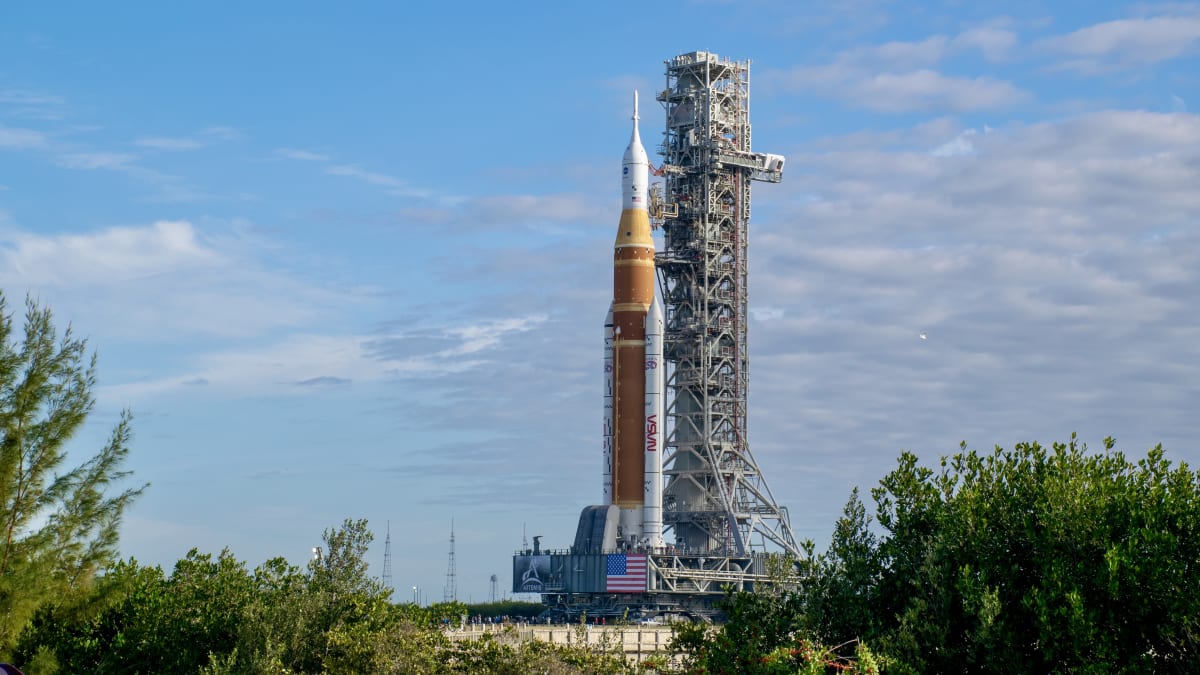
Now, exactly a century later, NASA is using those same core technologies to return astronauts to the moon. The Artemis 2 mission is scheduled to launch no earlier than April 1, carrying four astronauts on a 10-day journey around the moon aboard a rocket 30 times larger than Goddard's original design.
The massive 322-foot Space Launch System works on the same basic principle Goddard pioneered. Liquid fuel and liquid oxygen are pumped into a chamber, ignited with a spark, and channeled through engine nozzles to create tremendous thrust.
NASA astronauts Reid Wiseman, Victor Glover, Christina Koch, and Canadian Space Agency astronaut Jeremy Hansen will ride that power aboard the Orion spacecraft. Their mission serves as a crucial test flight before NASA attempts its first crewed lunar landing in 2028.
Why This Inspires
Goddard faced skepticism in his time, but his persistence transformed an idea into reality. Today, he's remembered as the father of modern rocketry, with NASA's Goddard Space Flight Center in Maryland bearing his name.
The progression from a 40-foot flight in a cabbage field to returning humans to the lunar surface shows how foundational breakthroughs can echo across generations. Technologies Goddard introduced in the 1920s and 1930s powered the Mercury, Gemini, and Apollo missions of the 1960s, the space shuttle program, and now the next era of lunar exploration.
His work reminds us that transformative change often starts small, and that today's ambitious experiments might become tomorrow's foundations for reaching even greater heights.
More Images
Based on reporting by Space.com
This story was written by BrightWire based on verified news reports.
Spread the positivity!
Share this good news with someone who needs it