1,000 'Living Fossil' Trees Found in Southern China
Forestry workers in China discovered over 1,000 endangered cycad trees spread across seven acres, the largest known wild population of this ancient species in the region. These rare plants, which have survived since the age of dinosaurs, offer scientists a window into Earth's distant past.
Scientists in southern China just stumbled upon a treasure trove of ancient life that's been hiding in plain sight.
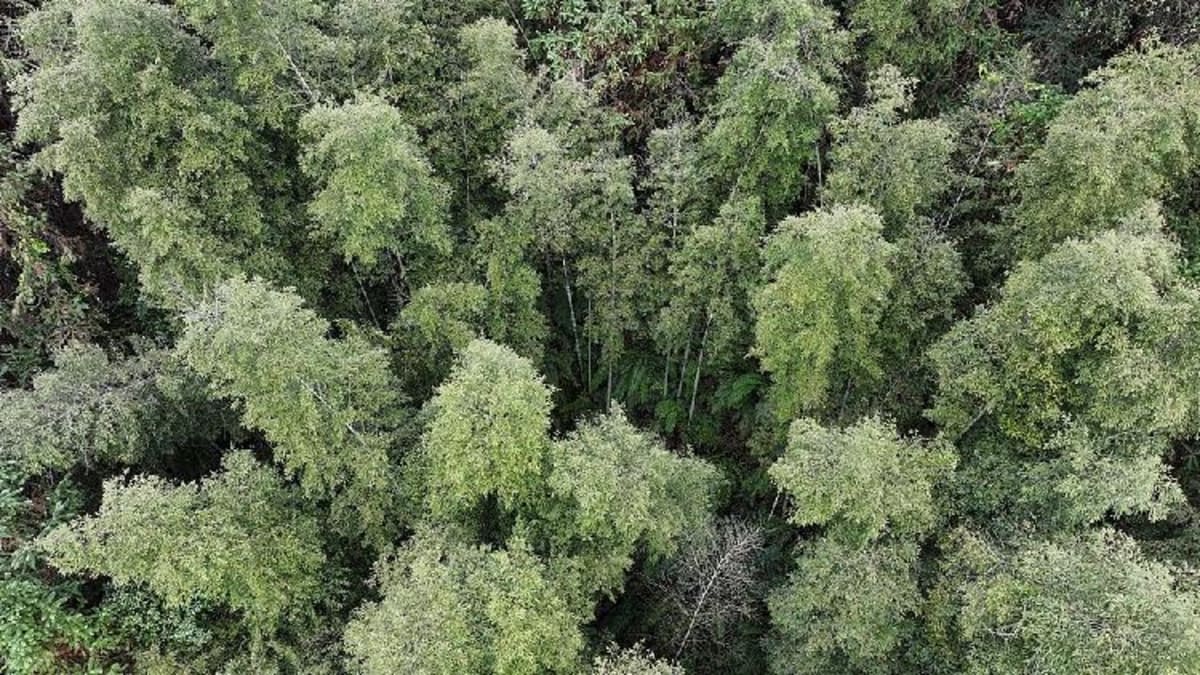
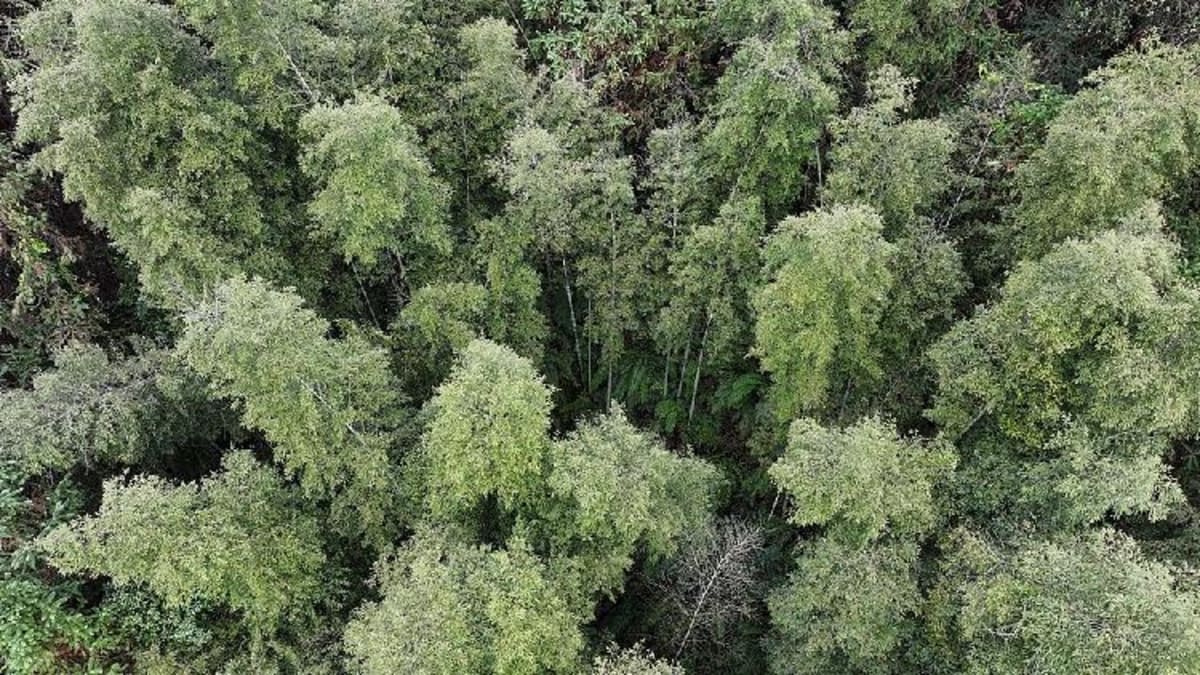
Forestry staff in Liuzhou, located in China's Guangxi region, recently identified more than 1,000 wild cycad trees covering roughly seven acres of forest. The discovery represents the largest known population of this endangered species in the area.
Cycads earned their nickname as "living fossils" because they've remained virtually unchanged for over 200 million years. These palm-like plants thrived when dinosaurs walked the Earth and have survived multiple mass extinction events that wiped out countless other species.
The specific species found, Alsophila spinulosa (also called the flying spider-monkey tree fern), is nationally protected in China due to its rarity. Finding such a large, thriving population in the wild is exceptionally rare.
Most cycad species today face serious threats from habitat loss and illegal collection. Wild populations have dwindled so dramatically that some species exist only in botanical gardens or protected reserves.
Why This Inspires
This discovery does more than just add numbers to a species count. Each of these ancient plants holds clues about how Earth's climate has changed over millions of years and how ecosystems adapted to survive.
Scientists can study these trees to understand plant evolution and learn how species persist through dramatic environmental shifts. That knowledge becomes increasingly valuable as we face our own era of rapid climate change.
The thriving population also signals that this corner of Guangxi has maintained a healthy, intact ecosystem capable of supporting these sensitive ancient species. It's proof that conservation efforts and protected forests work.
Finding over 1,000 cycads together suggests they've been quietly growing in this spot for potentially hundreds of years, patiently waiting to remind us that some of Earth's oldest residents are still here, still growing, still holding stories from an unimaginably distant past.
More Images
Based on reporting by Google: fossil discovery
This story was written by BrightWire based on verified news reports.
Spread the positivity!
Share this good news with someone who needs it