China Links Provincial Leaders' Jobs to Climate Goals
China just turned climate action into a make-or-break performance review for provincial leaders. Miss your carbon targets, and your career could be on the line.
China has launched a groundbreaking accountability system that ties provincial leaders' job performance directly to hitting climate targets, transforming carbon reduction from policy talk into career-defining requirements.
The new framework, approved in February 2026 and published in April, creates a strict pass/fail grading system for China's 31 provincial governments. Leaders who miss key climate benchmarks could face formal disciplinary action or even lose their positions.
At the heart of the system are five non-negotiable targets. Provinces must hit specific goals for total carbon emissions, carbon intensity reduction, coal consumption, oil consumption, and renewable energy adoption. Fail just one of these five, and the entire province gets marked "unqualified."
The consequences are real. Provincial leaders rated unqualified must submit correction plans within 30 days. If problems persist, top officials face formal interviews and potential removal. Cases involving falsified climate data can trigger legal action.
This marks a dramatic shift from China's previous approach. Instead of a softer points-based system where provinces could compensate for weaknesses, the new model demands success across the board.
The framework connects climate performance directly to China's internal Communist Party evaluation system, the same mechanism that determines promotions and appointments. For ambitious provincial leaders, hitting renewable energy targets is now as critical to career advancement as economic growth.
The Ripple Effect
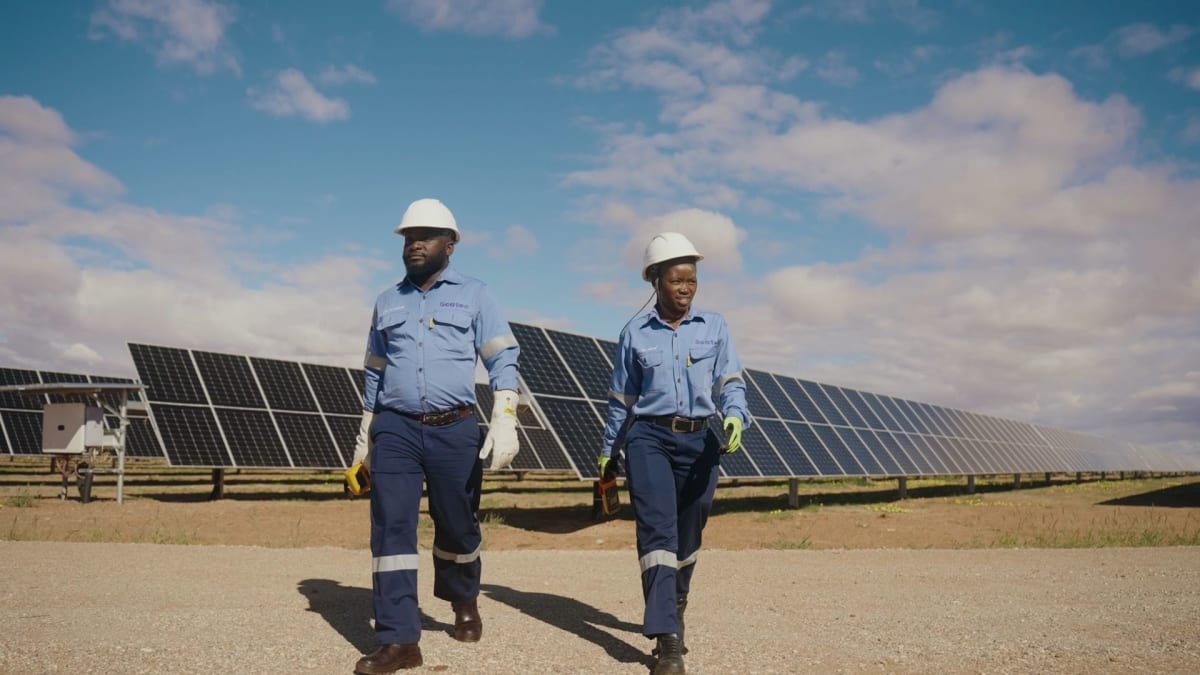
The policy creates powerful incentives that could accelerate China's already massive renewable energy buildout. Provincial leaders now have personal career stakes in approving solar farms, wind projects, and energy storage systems.
The system also pressures provinces to move away from coal and oil dependency. With binding limits on fossil fuel consumption, leaders must actively shift their energy mix toward cleaner sources or face professional consequences.
China's National Development and Reform Commission described the framework as embedding low-carbon development "more firmly into provincial governance requirements." Translation: climate action just became mandatory, measurable, and tied to real accountability.
The ripple effects extend beyond government. A parallel system is being developed for central state-owned enterprises, suggesting similar accountability measures could soon apply to major industrial players.
For the global renewable energy sector, this signals sustained demand from the world's largest solar and wind market. When provincial career advancement depends on renewable energy adoption, projects get approved faster and investment flows more freely.
China's approach demonstrates how binding accountability mechanisms can transform climate commitments from aspirational goals into concrete action, potentially offering a model for other nations struggling to meet their own carbon targets.
More Images


Based on reporting by PV Magazine
This story was written by BrightWire based on verified news reports.
Spread the positivity!
Share this good news with someone who needs it