Offshore Wind Cuts Oil Use 37% During East Coast Heat Wave
New England's offshore wind farms slashed oil-burning power plants by over a gigawatt during July's dangerous heat wave, proving clean energy works when air conditioners run hardest. The projects kept electricity flowing and bills lower despite attempts to block them.
When record heat blanketed the East Coast this July, something remarkable happened. Offshore wind turbines kept spinning while desperate families cranked their air conditioners, saving the region from burning millions of dollars worth of dirty oil.
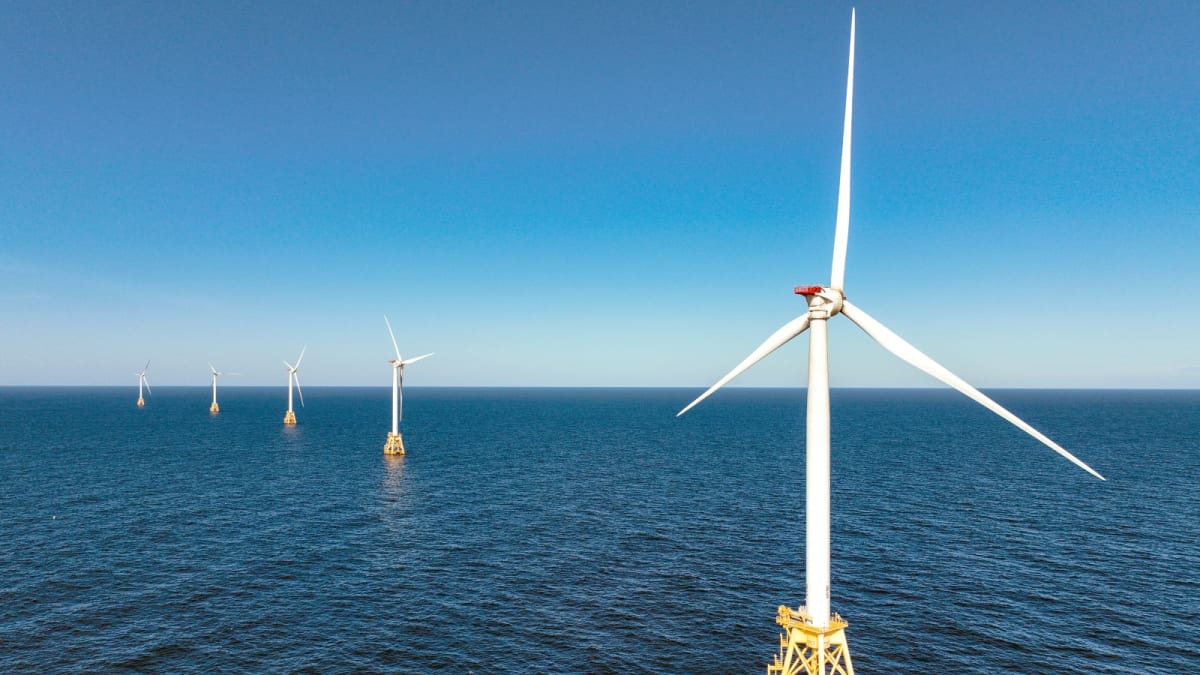
Two major wind farms near New England delivered hundreds of megawatts to the grid during the July heat wave, reducing reliance on expensive oil-burning plants that only fire up when demand skyrockets. Data shows oil provided just 10 percent of the region's power on July 2, down from nearly 15 percent during last year's heat wave.
That five percent drop represents over a gigawatt of avoided oil generation. To put that in perspective, it's enough to power roughly 750,000 homes.
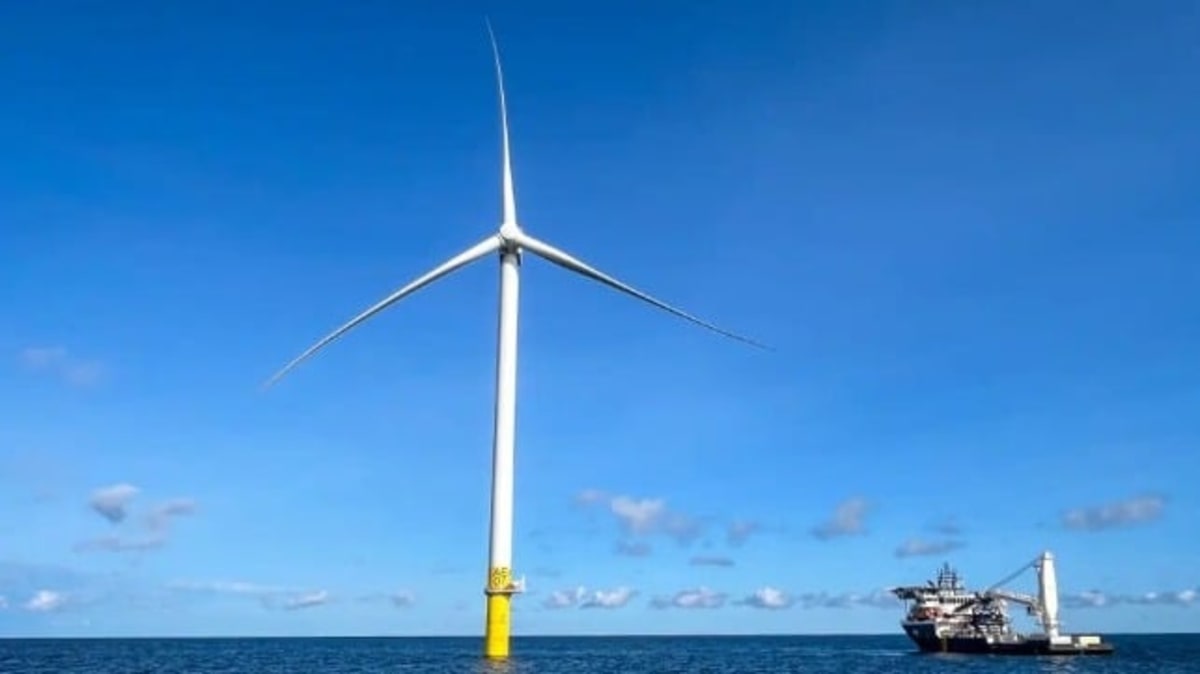
The 806-megawatt Vineyard Wind off Massachusetts and the 704-megawatt Revolution Wind near Rhode Island both started producing power earlier this year. Together with existing projects, they generated 37 percent less oil-fired electricity during the four-day heat wave compared to a similar period last year.
Tim Ennis, an analyst at Grid Status in Boston, explained the impact simply. "We didn't have to turn the oil on as hard at lunchtime because we had the wind online as well," he said.
The timing couldn't be better. More extreme heat waves are hitting the region, and electricity demand keeps climbing as more homes switch to electric heating and cooling.
The Ripple Effect
The benefits extend beyond just clean energy. Less oil burning means lower electricity bills for families already struggling with high costs during peak summer months.
New York's South Fork Wind farm, completed in 2024, operated at nearly full capacity during the heat wave. The project sent desperately needed electricity into Long Island's stressed grid right when residents needed it most.
These wind farms kept delivering despite repeated attempts to shut them down. The Trump administration halted Revolution Wind's construction last August when it was 80 percent complete, warning the delay would "increase risks to reliability." Federal judges overturned that order and later ones, but the stops cost developers millions.
New England's grid operator had warned these offshore turbines would be crucial during extreme weather. The July heat wave proved them right.
Rooftop solar panels and a new hydropower line from Canada also helped reduce oil burning during peak afternoon hours. The combination of clean energy sources worked together to keep the lights on and costs down.
The offshore wind industry is still young in America, but it's already showing up when it matters most.
More Images



Based on reporting by Grist
This story was written by BrightWire based on verified news reports.
Spread the positivity!
Share this good news with someone who needs it