10,000-Year-Old Mastodon Tooth Found in California Creek
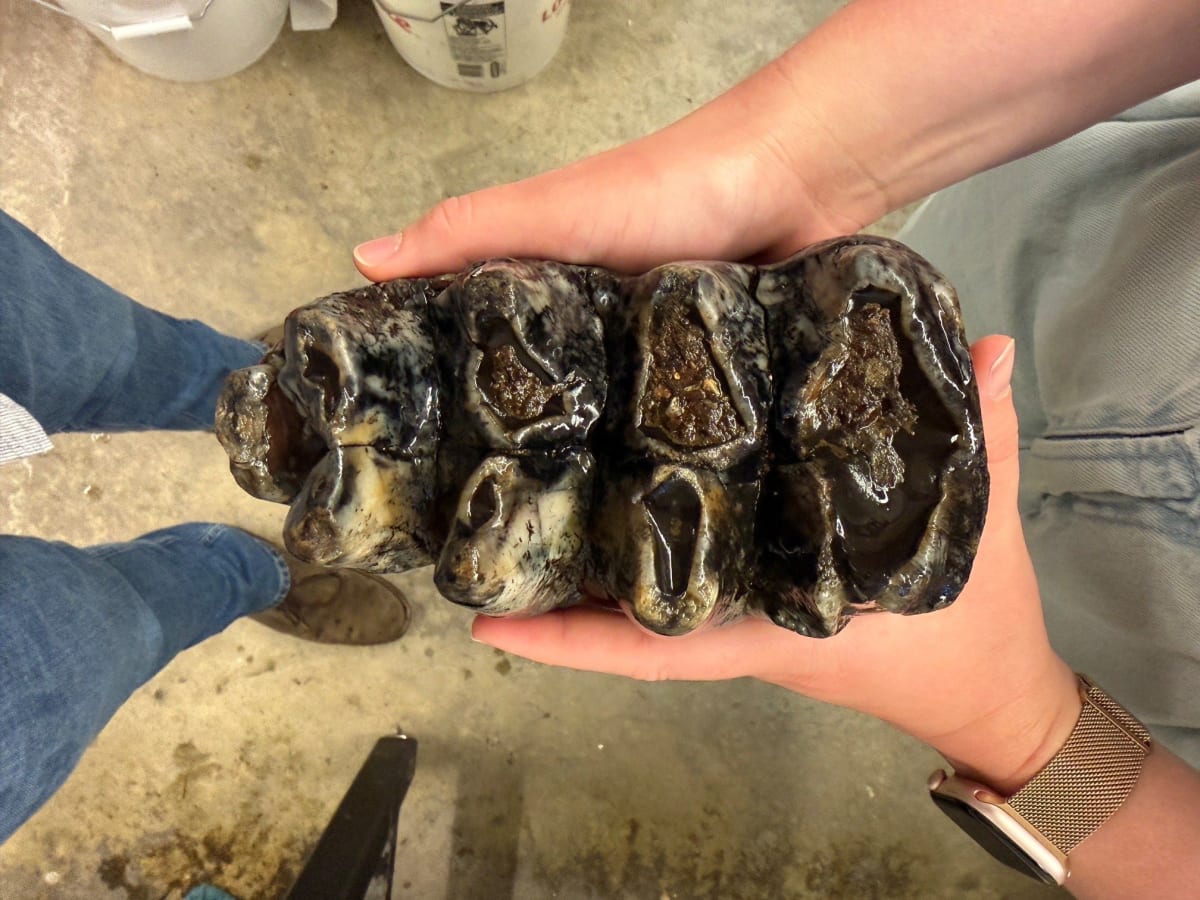
A geomorphologist stumbled upon a perfectly preserved mastodon molar while surveying a creek for a frog habitat project in San Mateo County. The 10,000-year-old fossil is the most complete specimen ever found in the region.
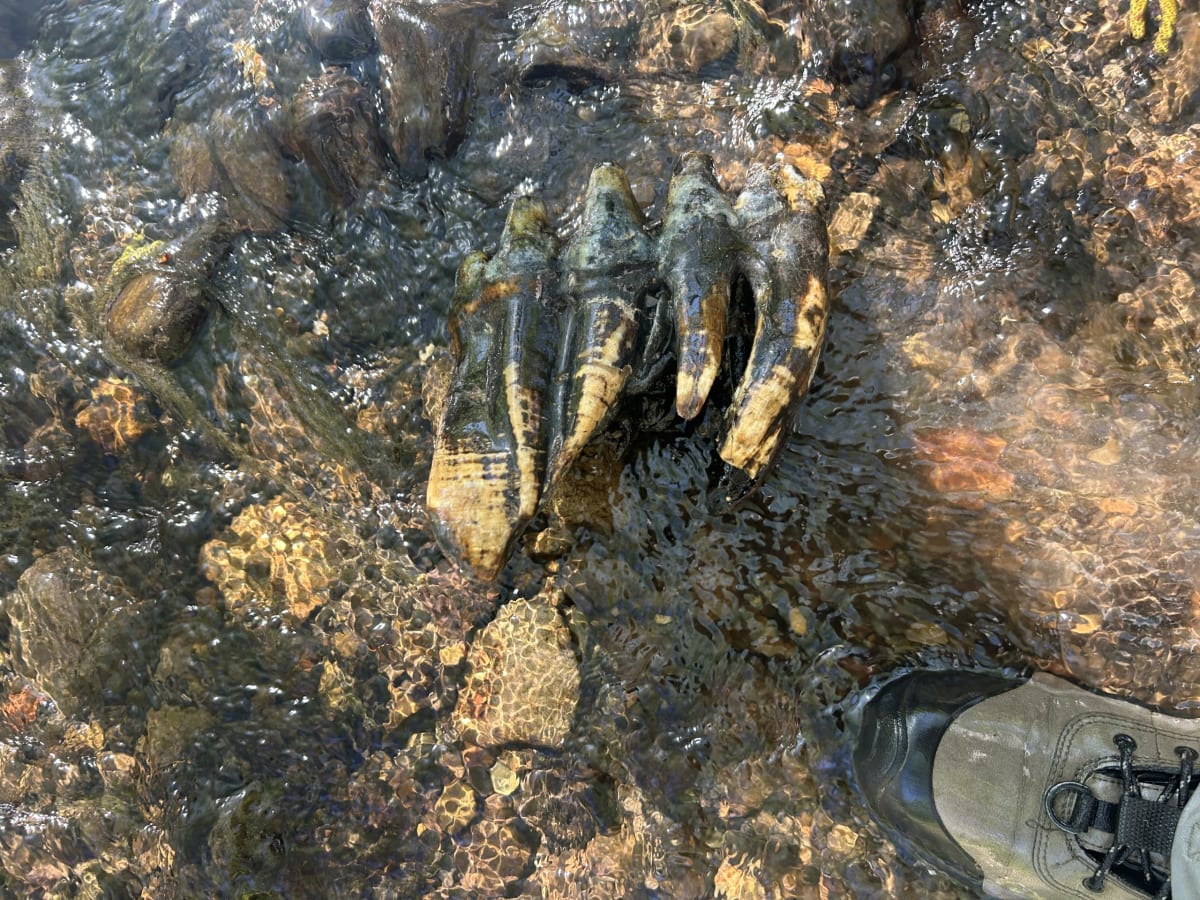
Brigid Lynch was surveying a redwood forest creek for a frog conservation project when she spotted what looked like an oddly shaped rock poking out of the streambed. It turned out to be something far more extraordinary: a 10,000-year-old mastodon tooth in near-perfect condition.
The Midpeninsula Regional Open Space District announced the discovery on September 9. Lynch, a geomorphologist who studies how landscapes form, found the fossil while working on a habitat restoration project for threatened California red-legged frogs.
Paleontologist Wayne Thompson couldn't contain his excitement when he examined the molar. "It's the most complete mastodon molar from our area, and the most spectacular mastodon molar that I've ever seen," said Thompson, owner of Pacific Paleontology. "I had chills and shivers up and down my spine."
The tooth belonged to a Pacific mastodon, a massive herbivore that roamed California, Oregon, and Mexico during the Pleistocene epoch. These ancient giants lived from 2.5 million years ago until about 11,700 years ago, when the epoch ended.
Scientists only identified Pacific mastodons as a distinct species in 2019, separate from their American mastodon cousins. Researchers made the distinction after extensive study of mastodon bones discovered in Southern California.
The fossil now has a new home at Stanford University's Doerr School of Sustainability. Researchers there will use carbon dating to pinpoint its exact age and create a 3D scan for educational purposes.
The Ripple Effect
This discovery does more than fill a gap in our understanding of ancient California. For Matt Sharp Chaney, a biologist with Midpen, it connects past to present in a powerful way. "The fact that mastodons were out here in the same landscape that we're in today really drives home how important the work that we do is to keep species from winking out forever," he said.
The preserve where Lynch made her discovery is part of Midpen's network of 27 preserves spanning more than 70,000 acres across Santa Clara, San Mateo, and Santa Cruz counties. The district protects these lands for wildlife and public enjoyment.
Lynch, who has conducted fieldwork throughout her career, said this find stands apart. "I've gone out and seen stuff in the field, but definitely nothing as exciting as this."
The district isn't revealing the exact location of the discovery to protect the site from fossil hunters. Sometimes the best way to preserve history is knowing when to keep a secret.
More Images


Based on reporting by Google: fossil discovery
This story was written by BrightWire based on verified news reports.
Spread the positivity!
Share this good news with someone who needs it