New Law Clears Path for First Toxic Mine Cleanup in West
After 25 years of legal roadblocks, volunteers are finally cleaning up one of America's 33,000 toxic abandoned mines without fear of being sued. A bipartisan law is making it happen, starting with contaminated soil removal in Washington state.
For the first time in a quarter century, volunteers can clean up toxic abandoned mines without risking lawsuits for pollution they didn't cause.
The United States has at least 33,000 abandoned hardrock mines leaking toxins into soil and waterways. Until now, nonprofits and local governments willing to help faced a cruel irony: federal environmental laws could hold them liable for contamination, even though they had nothing to do with creating it.
Senator Martin Heinrich of New Mexico spent three years pushing through the Good Samaritan Remediation of Abandoned Hardrock Mines Act with Senator Jim Risch of Idaho. President Biden signed the bipartisan legislation in December 2024, creating a special permitting program that shields volunteer cleanup crews from legal liability.
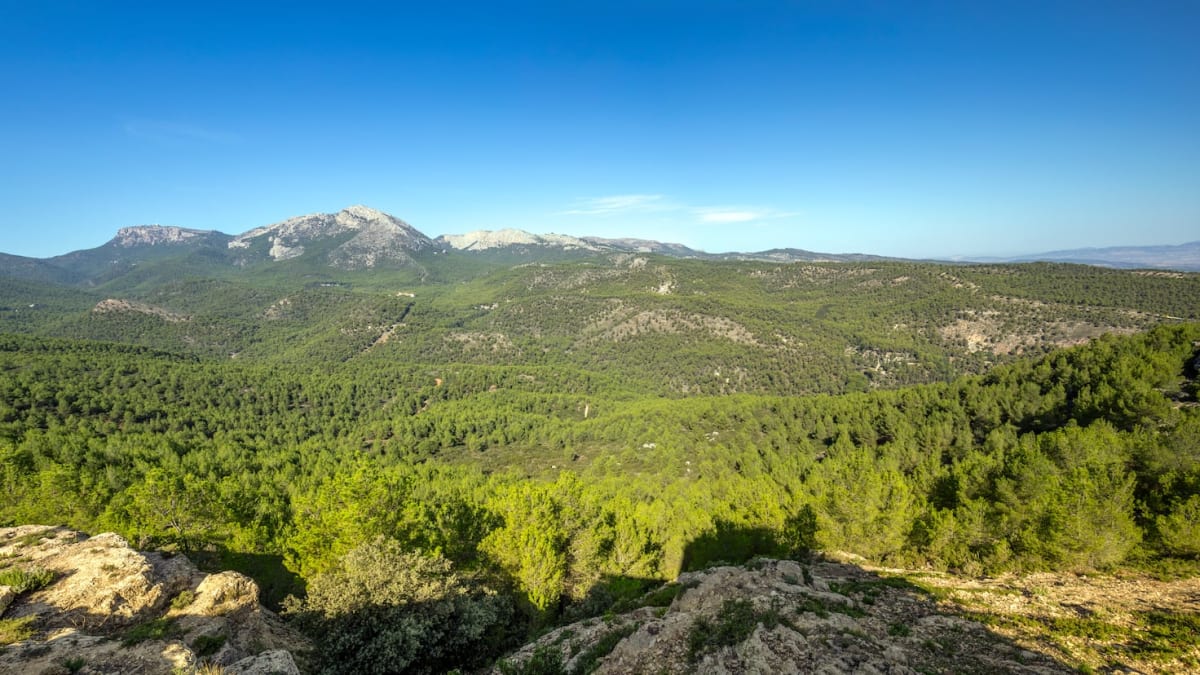
This month, the first permit under the new law went to Trout Unlimited for the Bodie Mine Project along Toroda Creek in Washington. The nonprofit will remove up to 790 tons of contaminated soil, stopping an estimated 104 tons of toxic tailings from eroding into the creek each year.
The change eliminates a massive barrier that prevented willing helpers from tackling environmental damage for decades. Good Samaritans can now step in where responsible mining companies have long since disappeared, leaving communities and ecosystems to deal with the aftermath.
The Ripple Effect
This first cleanup opens the door for thousands more across New Mexico and the American West. Each abandoned mine represents contaminated drinking water, poisoned wildlife habitats, and health risks for nearby communities.
The new permitting pathway transforms what was once a legal minefield into an opportunity for conservation groups, local governments, and volunteers to restore polluted landscapes. Heinrich's office expects applications for additional projects to follow quickly now that the legal framework exists.
Communities that have lived with toxic runoff for generations finally have a realistic path to cleaner water and safer land. The volunteers doing the work get protection. The environment gets healing.
With hundreds of thousands of abandoned mines nationwide, this first shovel in the ground at Toroda Creek marks the beginning of what could become one of America's largest volunteer environmental restoration movements.
More Images


Based on reporting by Google News - Good Samaritan
This story was written by BrightWire based on verified news reports.
Spread the positivity!
Share this good news with someone who needs it