Rare Raccoons on Cozumel Island Invent Their Own Toys
Critically endangered pygmy raccoons in Mexico are crafting paper balls from trash and teaching each other to play with them. It's the first time scientists have documented this kind of playful culture in their entire animal family.
On Mexico's tourist-packed Cozumel Island, one of the world's rarest mammals just proved that play might be universal.
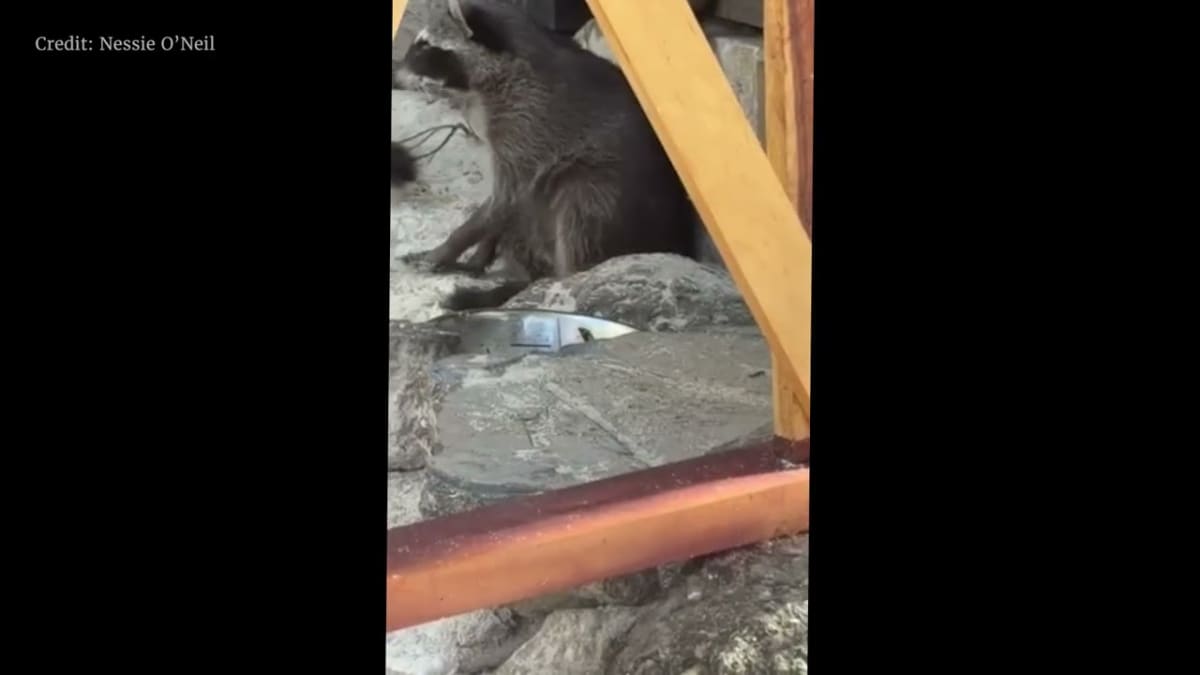
A young pygmy raccoon bypassed the food scraps in a trash bin and grabbed a receipt instead. She dunked it in water, rolled it with sand until it became a compact ball, and started playing soccer with her creation.
Fewer than 200 of these pint-size raccoons exist anywhere on Earth, and they live only on this Caribbean island. They weigh just six to nine pounds, about the same as a newborn baby, making them roughly half the size of mainland raccoons.
What started as one raccoon's clever invention quickly became a family tradition. Her sister learned the technique by watching, and soon both were crafting balls from paper trash and batting them around together. Even their mother tried making one, though she gave up quickly (possibly because she had just lapped up an ounce of a margarita, which the researchers noted seemed to affect her coordination).
Scientists publishing their findings in the journal Wild say this marks the first documented "material culture" in the entire Procyonidae family of raccoons, coatis and ringtails. Making objects purely for play is exceptionally rare across the animal kingdom, though it makes sense for raccoons. These tactile creatures essentially see with their hands, constantly touching and manipulating objects around them.
The discovery carries bittersweet notes. Shortly after inventing her toy, the first raccoon fell severely ill from malnutrition and toxic pollution. A new beach resort had destroyed part of her family's home range. Despite veterinary care, she died.
Her invention nearly died with her. Because animal cultures depend on living teachers, losing that young raccoon threatened to erase the behavior entirely.
Why This Inspires
Days after her sister's death, the surviving raccoon fished a hamburger wrapper from a bin and made her own ball. The tradition had survived, passed from one generation to the next through observation and play.
Researchers hope the behavior spreads beyond this single family, creating a lasting cultural practice among these critically endangered animals. They plan to return to Cozumel to track whether other raccoons adopt the skill.
The finding challenges how we think about raccoons, moving past their reputation as trash bandits to reveal them as "socially conscious, playful, learning beings." Scientists believe documenting these complex behaviors could strengthen conservation efforts for the species.
One young raccoon turned garbage into joy, and in doing so, showed us something profound about creativity, culture and resilience in the animal world.
More Images
%2Fhttps%3A%2F%2Ftf-cmsv2-smithsonianmag-media.s3.amazonaws.com%2Ffiler_public%2Ff5%2F59%2Ff559895d-9326-4d35-accc-5af518f5b6a3%2Fpygmy-raccoon-teaching.png)
Based on reporting by Smithsonian
This story was written by BrightWire based on verified news reports.
Spread the positivity!
Share this good news with someone who needs it