106 Students Lead Maine Science Symposium as Experts
When fourth through eighth graders took the expert's seat at a NASA-backed symposium in Portland, they didn't just present research—they led the conversation. The March event flipped traditional science hierarchy, putting kids at the center table while professional scientists sat behind them.
In a conference room in Portland, Maine, something unusual happened when a professional scientist was asked a question. A middle school student leaned forward and answered it first.
This wasn't a classroom disruption. It was exactly what organizers of the third annual Findings from the Field Student Research Symposium hoped would happen.
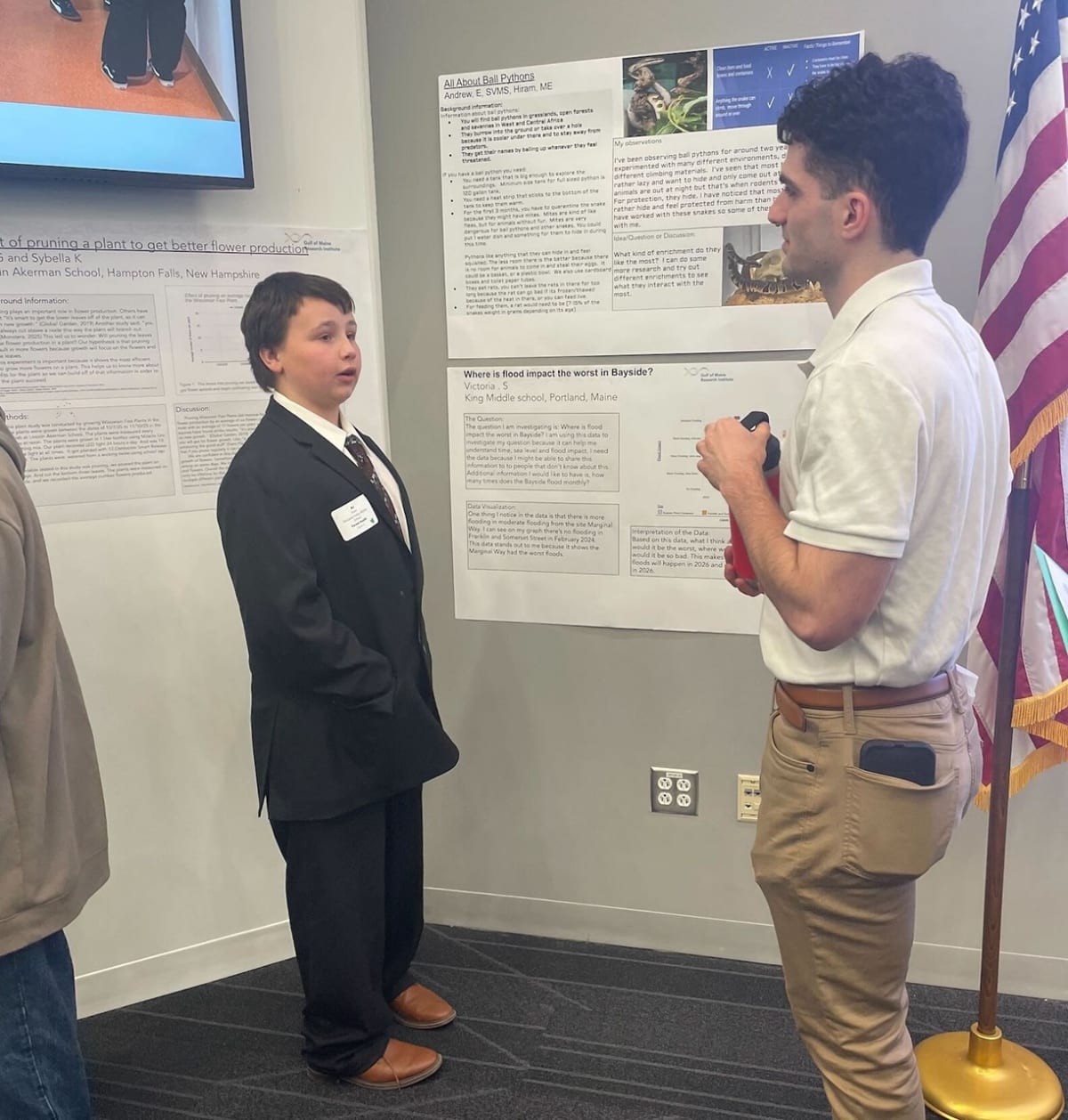
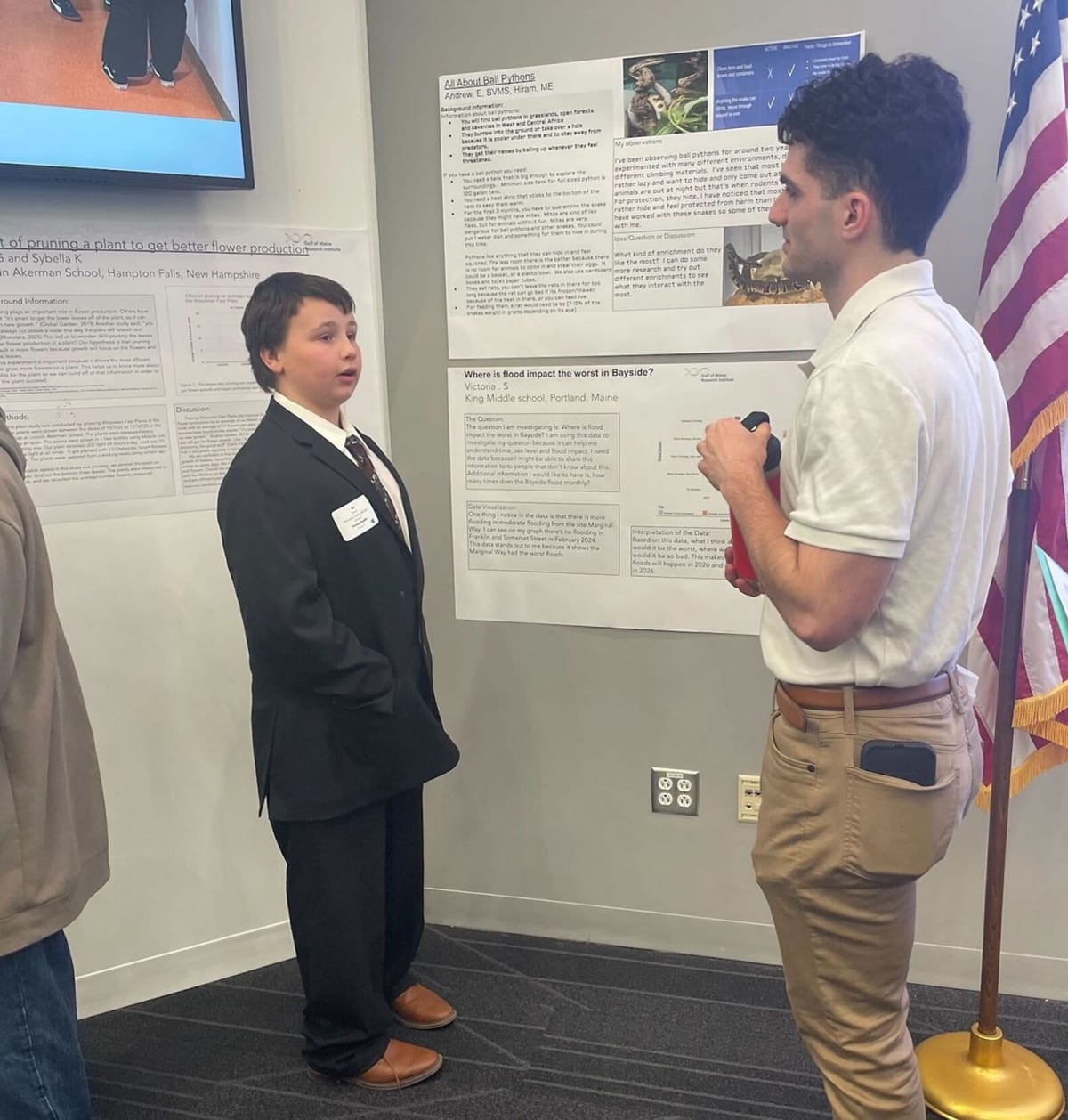
On March 30, 2026, the Gulf of Maine Research Institute and NASA's Learning Ecosystems Northeast program welcomed 106 students in grades four through eight to share their environmental research. They presented 68 research posters, delivered 14 lightning talks, and led five discussion sessions alongside 29 educators and 15 professional scientists.
The symposium made one bold choice that changed everything: the physical room setup. Students sat at the main conference table while adults and subject matter experts sat behind them, literally putting young researchers at the center of the conversation.
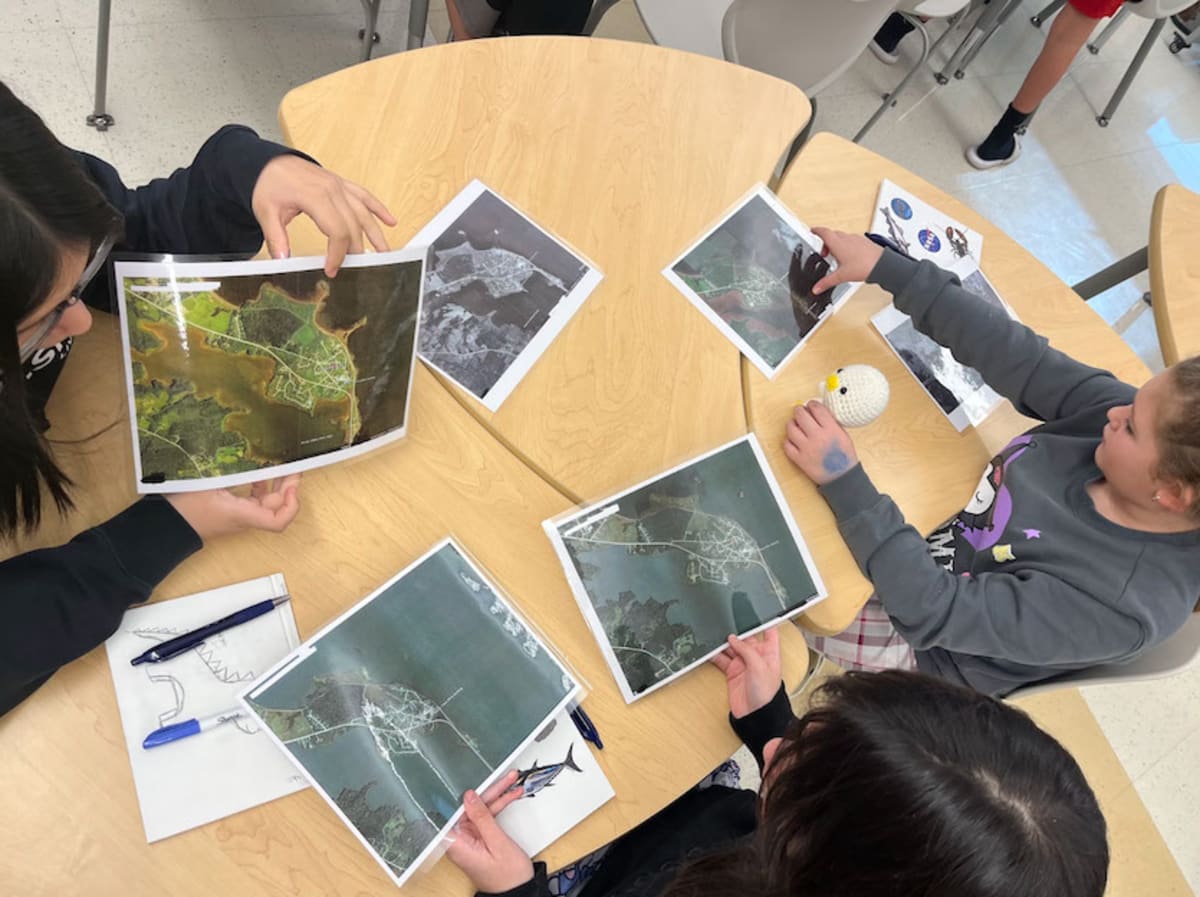
The day started with an activity inspired by the Data Vandals art group, where students marked up scientific visuals and treated data like a living conversation instead of untouchable facts. No "look but don't touch" rules here.
Dr. Dave Reidmiller, Chief Impact Officer at the Gulf of Maine Research Institute, delivered the day's unofficial mantra during his keynote speech. "Science is a team sport," he told the room.
That team spirit came alive when students from different schools discovered they were colleagues working on the same problems. In "Ash and Hemlock" discussion groups, students who had only read about invasive pests connected with peers who had identified them in the field.
Three simple questions kept everyone speaking the same language: What happened? How do we know? Why does it matter? These prompts helped bridge gaps between local student data and broader community issues.
Undergraduate students served as mentors this year, creating a visible bridge between elementary and middle schoolers and career scientists. Seeing young adults just a few years older made scientific careers feel suddenly reachable.
The Ripple Effect
The symposium has grown so quickly that organizers outgrew their original building. Community partner Unum offered their office space to accommodate the expanding number of young scientists.
Student feedback signals even bigger things ahead. "I've never done something like this before," one participant shared. "I might want to research more."
Another added: "Hopefully, I get to do this next year."
The growth reflects more than numbers. It shows what happens when young people receive real platforms and genuine agency in scientific spaces.
The symposium proved that expertise isn't about age or credentials—it's about curiosity, dedication, and having something important to say.
More Images
Based on reporting by NASA
This story was written by BrightWire based on verified news reports.
Spread the positivity!
Share this good news with someone who needs it