11-Year-Old Finds Jaw of Largest Sea Creature Ever
A young girl scanning a beach during lockdown discovered fossils from a 202-million-year-old marine reptile as long as a blue whale. Ruby Reynolds is now a co-author on the scientific study naming the new species.
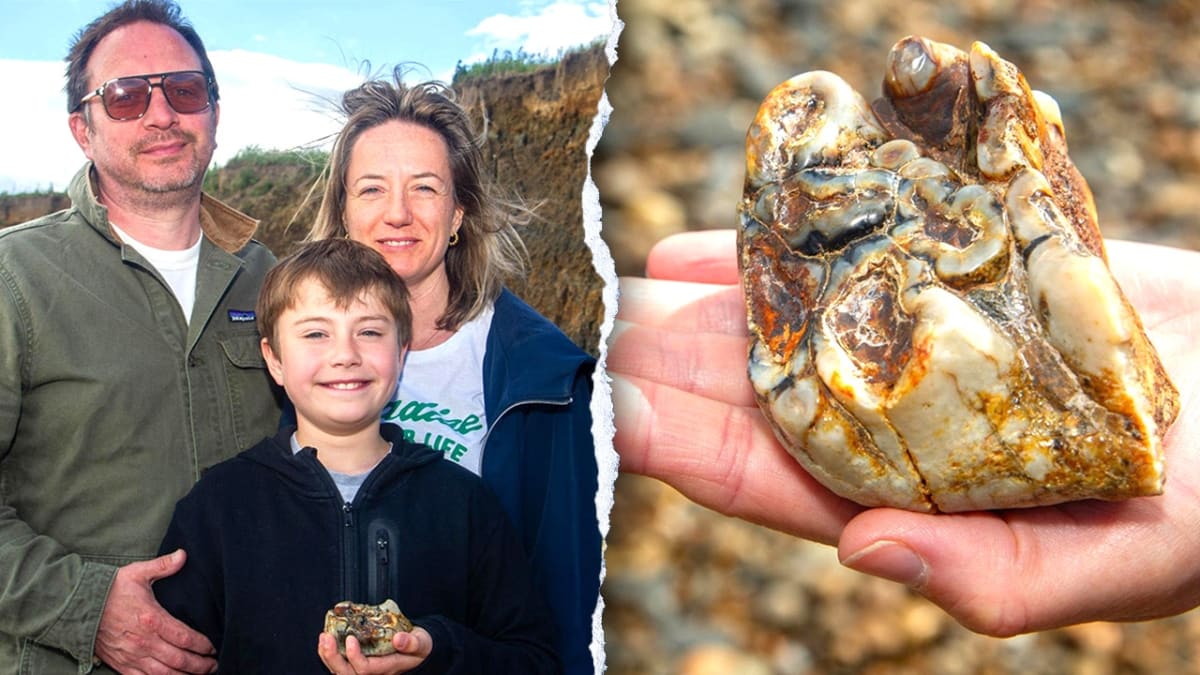
While the world sheltered at home in May 2020, 11-year-old Ruby Reynolds made a discovery that would rewrite prehistoric records. The jawbone fragment she spotted on a Somerset beach belonged to what may be the largest marine reptile ever to swim Earth's oceans.
Ruby and her father Justin were exploring the mudflats at Blue Anchor, England, hunting for fossils when she noticed a massive bone fragment in the sediment. Her father had already found a smaller piece nearby, but neither realized they'd stumbled upon scientific gold.
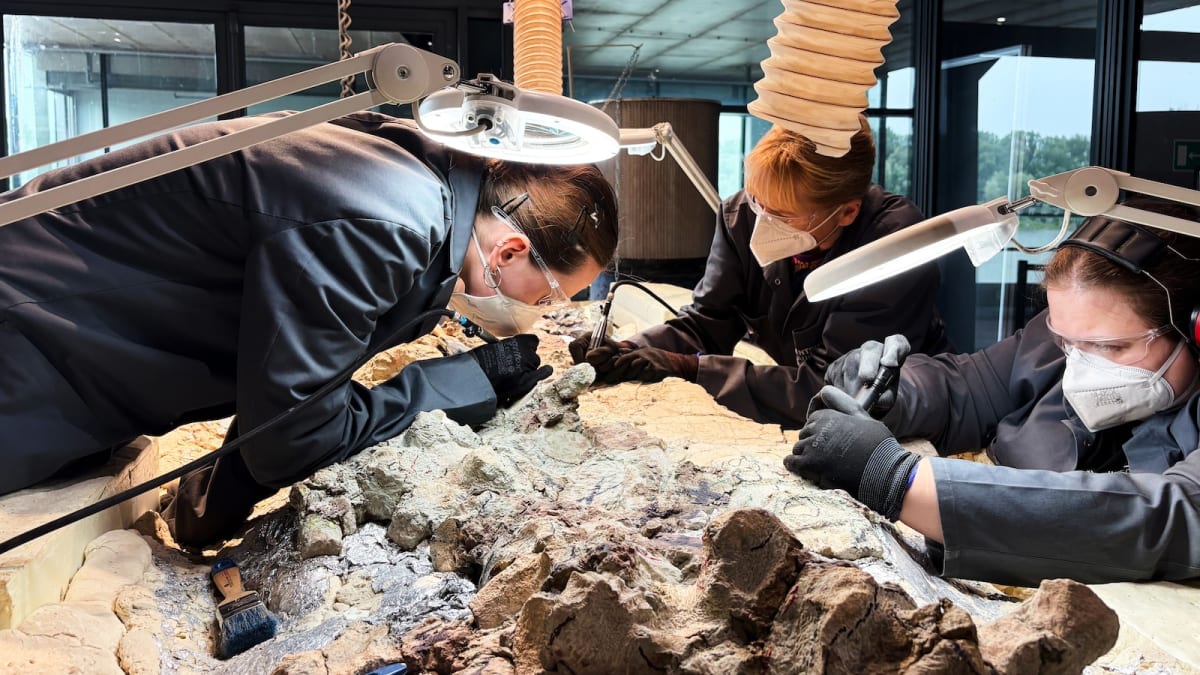
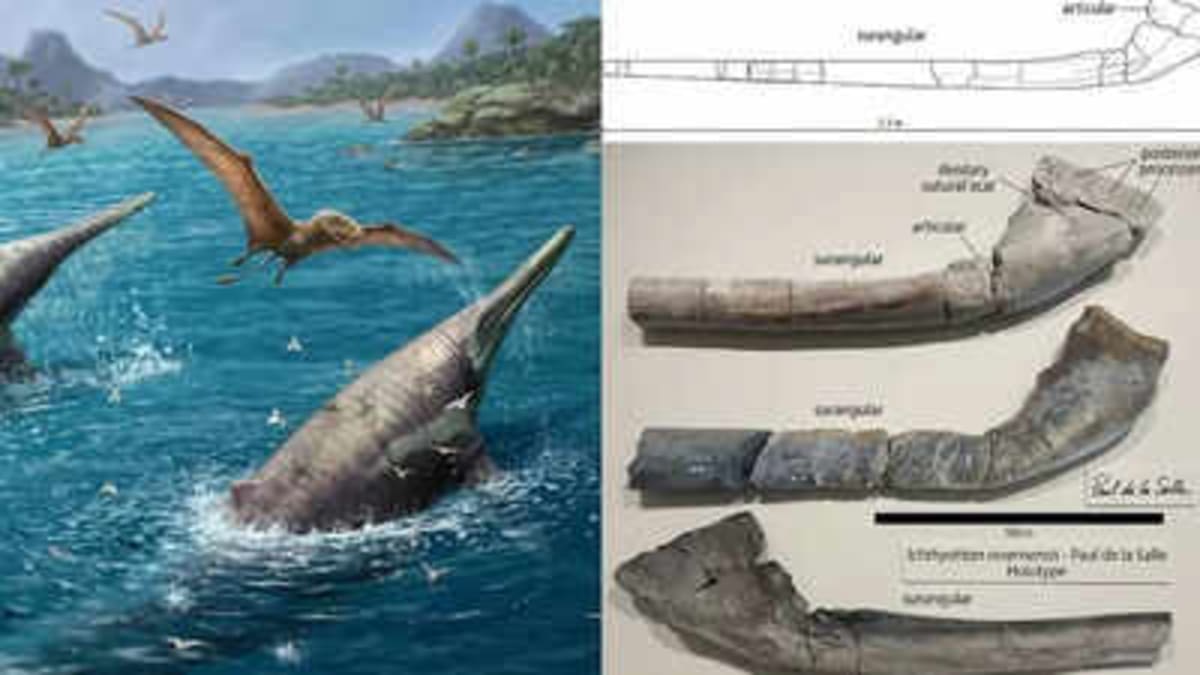
Paleontologists who examined the bones identified them as parts of a gigantic prehistoric jawbone. After detailed analysis, scientists confirmed the fossils belonged to a newly identified species they named Ichthyotitan severnensis, meaning "giant fish-lizard of the Severn."
The creature stretched an estimated 25 meters (82 feet) long, rivaling today's blue whales for the title of largest animal ever. The lower jawbone alone measured more than two meters, dwarfing anything scientists had previously found from this time period.
Ruby's discovery solved a puzzle that had stumped researchers for years. In 2016, scientists found a large ichthyosaur jaw fragment about 10 kilometers away at Lilstock, but the incomplete fossil left its true identity uncertain.
When Ruby's find was analyzed alongside the earlier fossil, the pieces finally fit together. Both bones belonged to the same kind of gigantic ichthyosaur, giving scientists enough evidence to confirm a new species.
The fossils date to 202 million years ago during the Late Triassic period, just before a massive extinction event. These "fish lizards" resembled a cross between dolphins and sharks, with streamlined bodies and powerful flippers built for hunting in ancient seas.
Why This Inspires
Ruby Reynolds didn't just find a fossil. She became a co-author on the scientific study describing the species, an extraordinary achievement for a young person who simply wanted to explore a beach.
Her discovery proves that giant ichthyosaurs thrived later than scientists previously believed, helping researchers understand how prehistoric ocean ecosystems supported such massive predators. With abundant food and little competition, ancient seas could sustain creatures as large as anything alive today.
The find shows how curiosity and a keen eye can lead to major scientific breakthroughs, regardless of age or credentials. Amateur fossil hunters contribute vital discoveries that professionals might never find alone.
Ruby's lockdown beach walk turned into a window on an ancient world where giants ruled the waves.
More Images



Based on reporting by Google: fossil discovery
This story was written by BrightWire based on verified news reports.
Spread the positivity!
Share this good news with someone who needs it