11,000-Year-Old Girl Found in Northern Britain Cave
Scientists have identified Britain's oldest northern remains as a young girl buried with love 11,000 years ago. The discovery reveals how Ice Age families honored their children.
A self-taught archaeologist digging in his own village has uncovered evidence of a parent's grief that lasted 11,000 years.
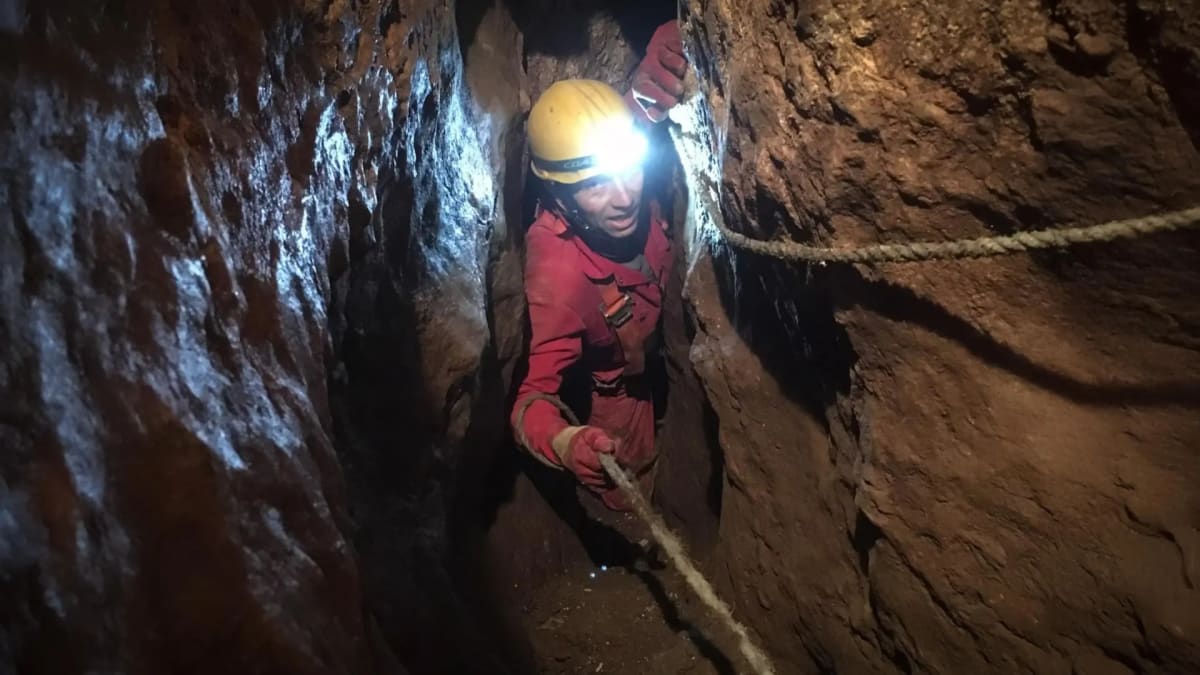
Inside Heaning Wood Bone Cave in Cumbria, England, researchers found the remains of a little girl who died between ages 2 and 3 around 9,000 BC. DNA analysis confirmed she was female, making this the first time scientists could determine both the age and sex of such ancient child remains in Northern Britain.
Martin Stables, who discovered the bones while excavating his hometown of Great Urswick, named her the "Ossick Lass" using local dialect for "Urswick girl." He started digging in 2016 out of pure fascination with his village's past, never imagining what he'd find.
The burial tells a story of care and ritual. Alongside the girl's remains, archaeologists found jewelry including a pierced deer tooth and beads, all carbon dated to the same period. Someone loved this child enough to adorn her for the journey ahead.
The discovery represents the third oldest known Mesolithic burial in northwestern Europe. Finding human remains this old in Northern Britain is extremely rare because Ice Age glaciers destroyed most archaeological evidence in the region.
Why This Inspires
Modern hunter-gatherer groups often view caves as gateways to the spirit world, and this burial suggests our ancestors may have shared that belief. The deliberate placement, the jewelry, the sacred cave location all point to communities that mourned their young with the same depth parents feel today.
The cave held meaning across millennia. Researchers identified at least eight intentional burials spanning three different eras: 11,000 years ago, 5,500 years ago, and 4,000 years ago. Families kept returning to this same sacred space across thousands of years.
Stables describes being "the first to bear witness to the obviously caring burial of someone's child that occurred over 11,000 years ago." For a self-taught archaeologist working in his own backyard, the moment connected him across an almost incomprehensible span of time to a parent's final act of love.
The research, published in the Proceedings of the Prehistoric Society Journal, opens new conversations about Early Mesolithic burial practices and spiritual beliefs. Stables says this is just the beginning, with much more to reveal about this nationally important site.
Grief and love leave marks that outlast everything, even 11,000 years of history.
Based on reporting by Science Daily
This story was written by BrightWire based on verified news reports.
Spread the positivity!
Share this good news with someone who needs it