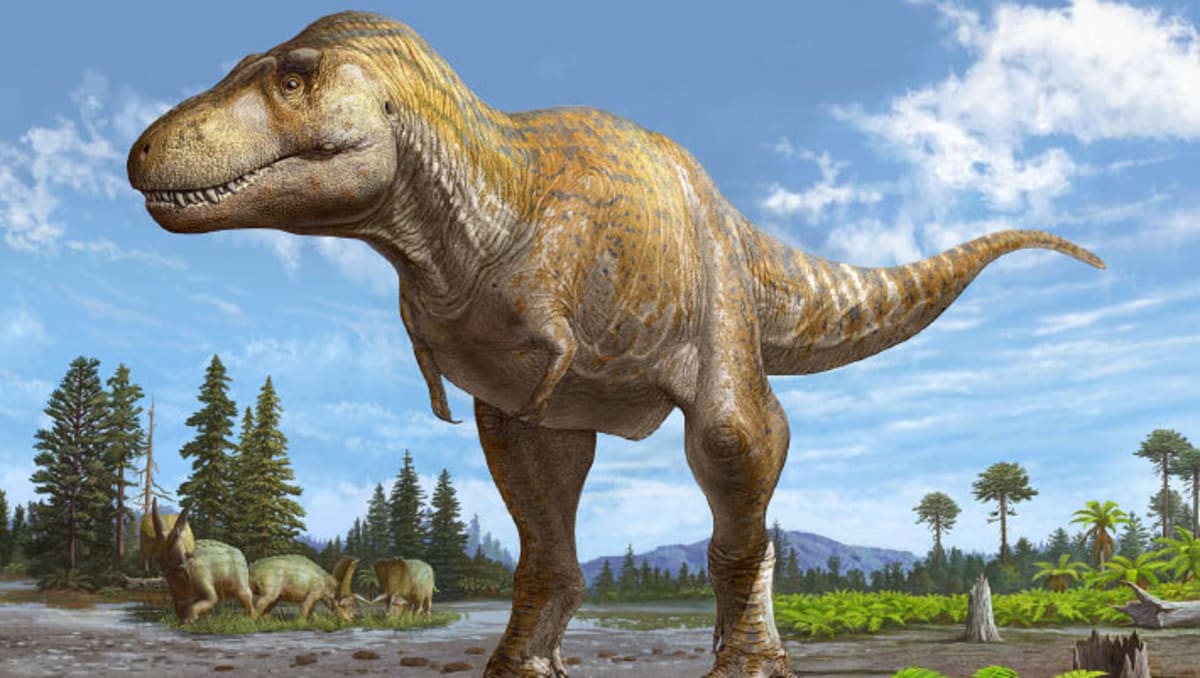
T. Rex Tiny Arms Mystery Solved After 66 Million Years
Scientists finally know why T. rex had such famously small arms. New research shows the fearsome predator evolved massive jaws and a powerful skull instead, making arms unnecessary for hunting.
After more than a century of puzzling over one of paleontology's quirkiest questions, researchers have cracked the case of why Tyrannosaurus rex had such comically tiny arms.
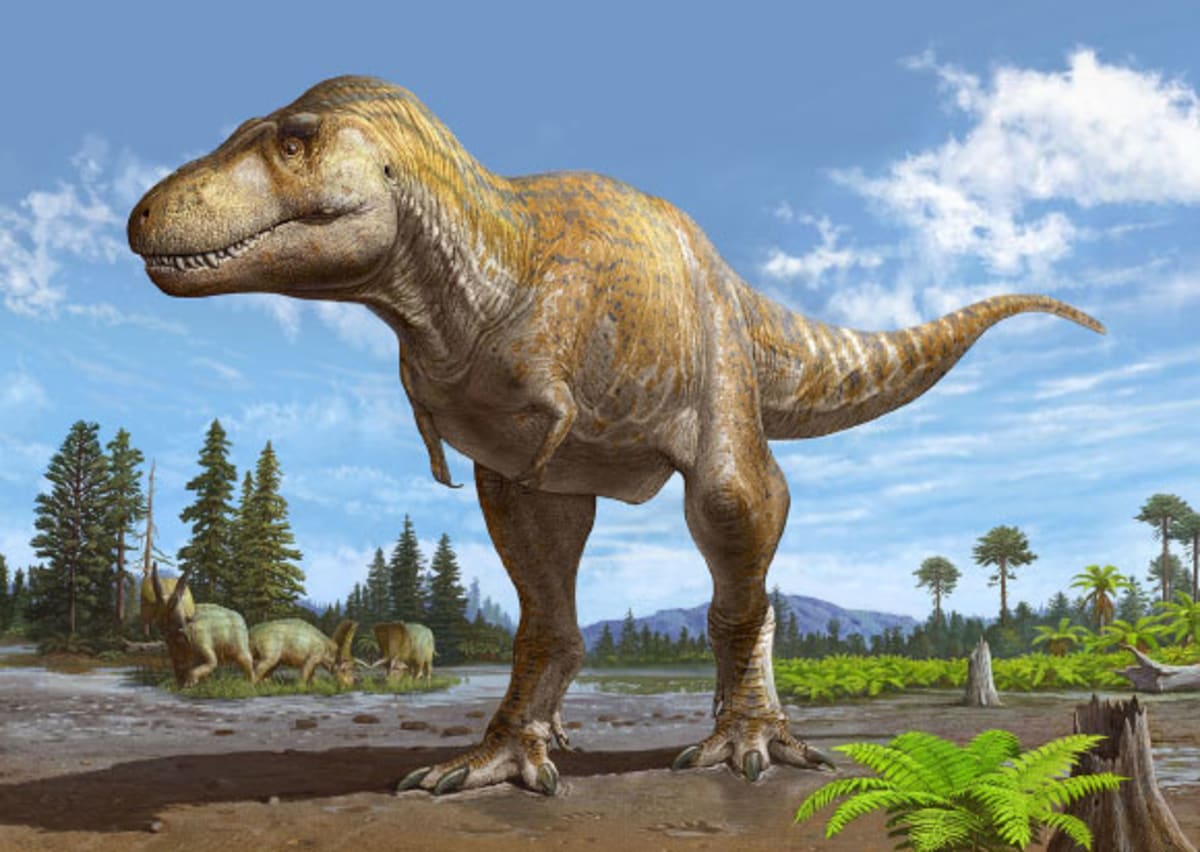
Scientists from University College London and the University of Cambridge discovered that as T. rex developed its crushing bite force and massive skull, its arms simply became obsolete. The predator shifted from grabbing prey with claws to relying entirely on its head as a weapon.
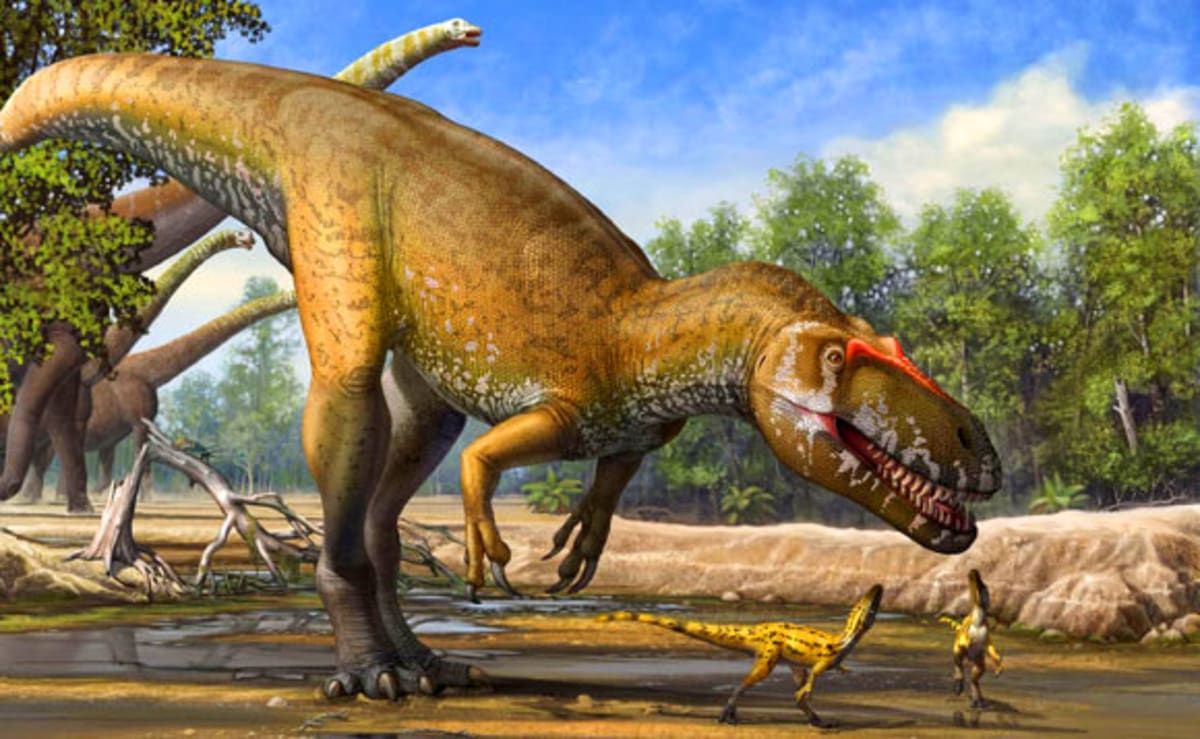
"Everyone knows Tyrannosaurus rex had tiny arms, but other giant theropod dinosaurs also evolved relatively small forelimbs," said Charlie Roger Scherer, a Ph.D. student at University College London. Carnotaurus, another ancient predator, had arms even smaller than T. rex.
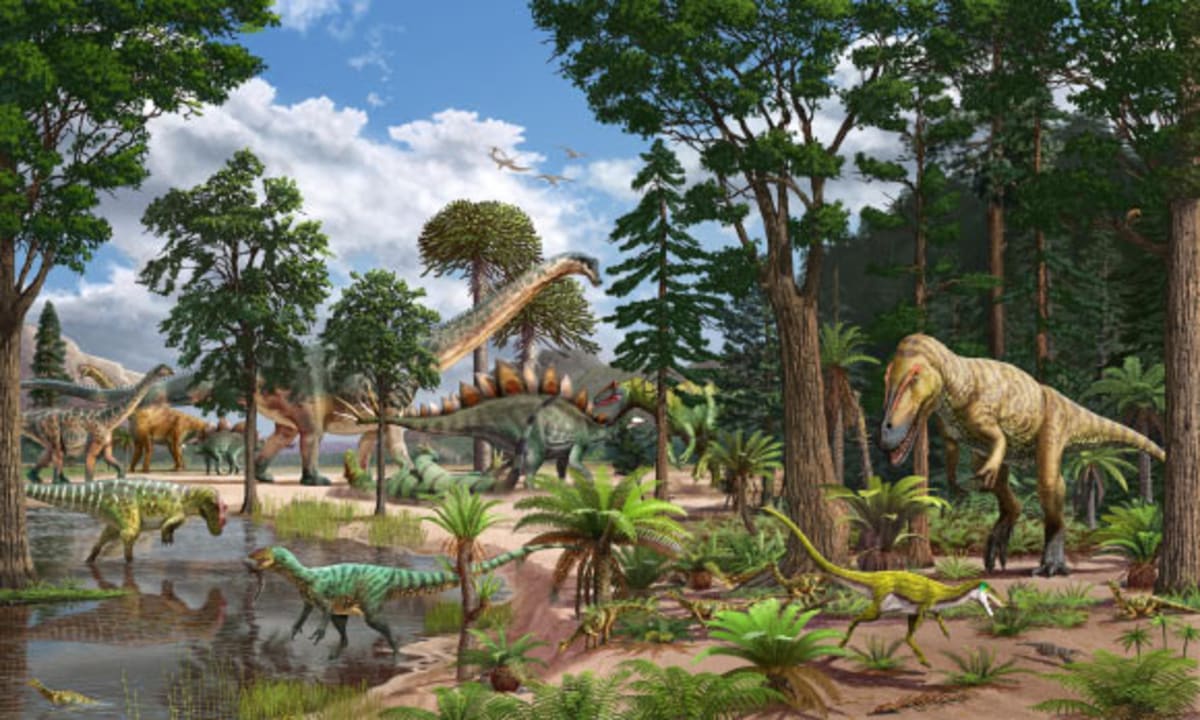
The research team analyzed data from 82 species of carnivorous dinosaurs and found a clear pattern. Five different dinosaur lineages all evolved shorter arms as their skulls grew larger and more powerful, proving this wasn't just random chance.
The timing matters. Smaller arms weren't simply a side effect of bodies getting bigger overall. Instead, arm reduction happened specifically when skulls became more robust and bite force increased, suggesting a direct trade-off in hunting strategy.
The researchers developed a new method to measure skull strength, looking at bone connections, skull shape, and bite force. T. rex scored highest on this scale, making it the most formidable head-based hunter in the study.
Why This Inspires
This discovery reminds us that evolution is constantly problem-solving. As prey animals like massive sauropods grew larger, predators adapted in the most efficient way possible. T. rex didn't need arms when it could deliver bone-crushing bites instead.
The finding also shows how nature doesn't waste energy. When a body part stops being useful, evolution phases it out over millions of years. It's efficient design on a scale we can barely imagine.
The research offers something even more valuable than solving an ancient mystery. It demonstrates how scientists keep pushing forward, developing new measurement techniques and analyzing data in fresh ways to answer questions that have stumped experts for generations.
Future paleontologists will build on this work, potentially discovering even more about how these magnificent creatures lived and hunted. Every answer opens new questions about the prehistoric world that once dominated our planet.
The study proves that patient, methodical science eventually illuminates even the most perplexing mysteries from Earth's distant past.
More Images
Based on reporting by Google News - Science
This story was written by BrightWire based on verified news reports.
Spread the positivity!
Share this good news with someone who needs it