Scientists Solve Mystery: Why Birds Survived the Dinosaurs
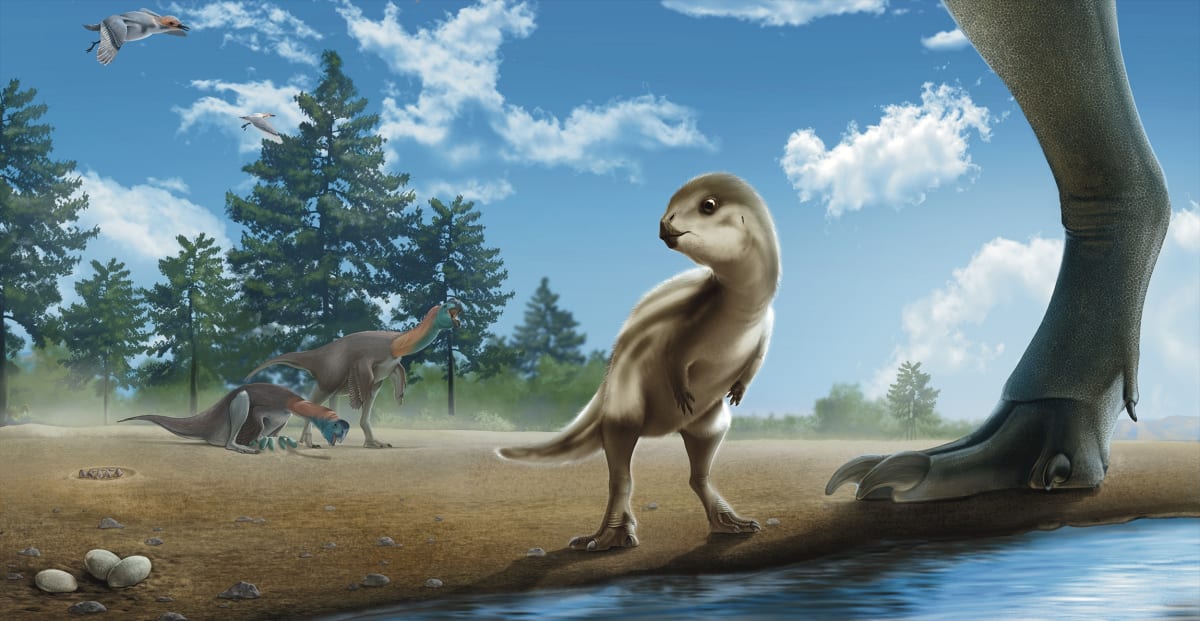
New research reveals how birds outlived T. rex and other mighty dinosaurs 66 million years ago. A few key traits helped our feathered friends survive Earth's worst extinction event.
Find uplifting stories about heroes, innovations, and solutions
72 results for "dinosaurs"

New research reveals how birds outlived T. rex and other mighty dinosaurs 66 million years ago. A few key traits helped our feathered friends survive Earth's worst extinction event.
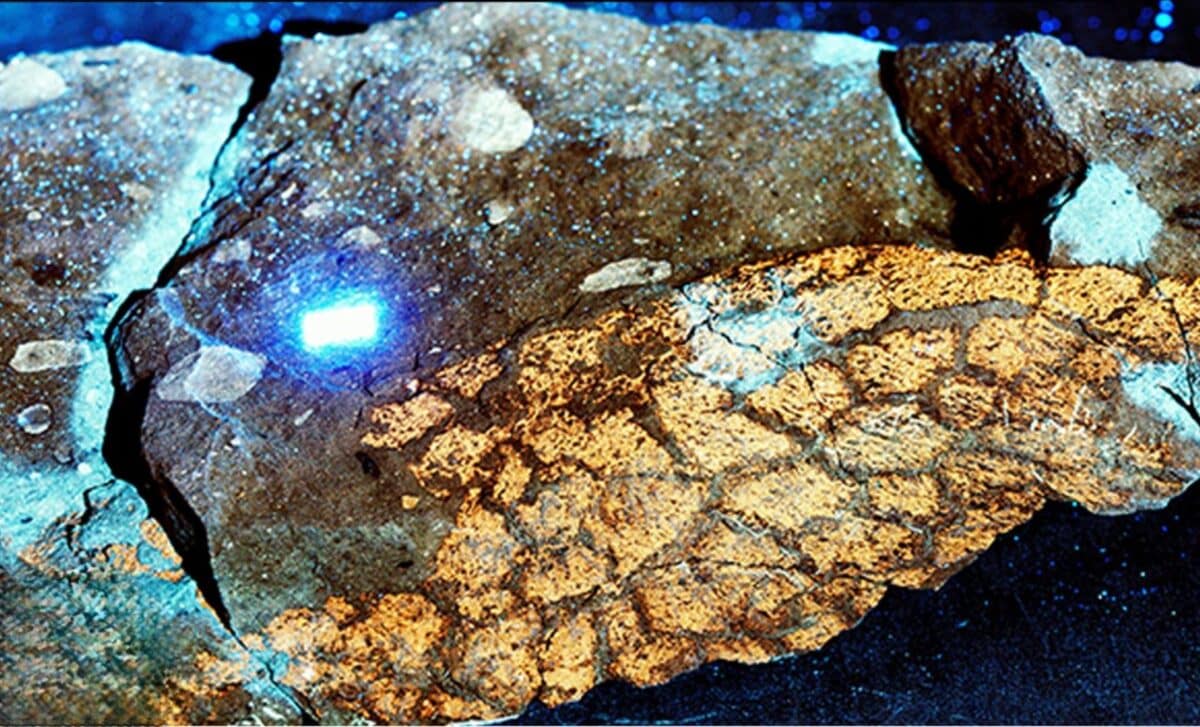
A single fossil bed in Montana has unlocked nearly everything we know about T. rex and the final moments before dinosaurs vanished forever. Scientists are still finding treasures that show how life bounced back after Earth's most famous catastrophe.
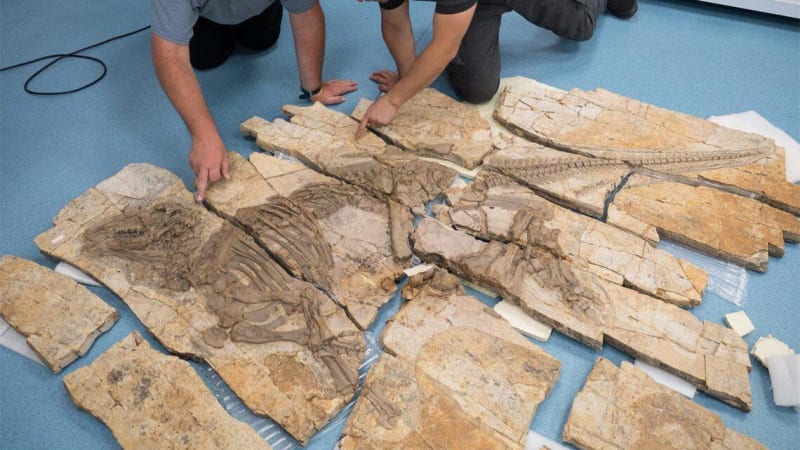
Australian scientists just rewrote the face of Queensland's most famous dinosaur after piecing together 1,300 bone fragments that sat undiscovered for decades. The Muttaburrasaurus had teeth and a narrow snout that nobody knew about until now.

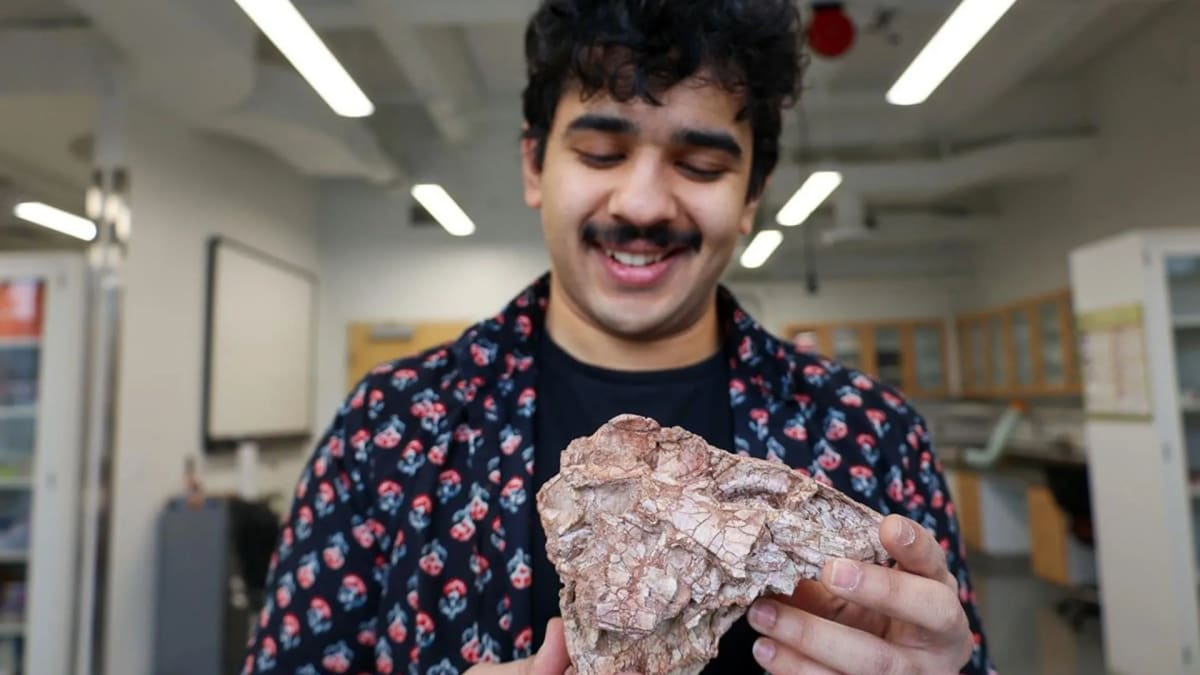
A badly crushed dinosaur skull dismissed as terrible turned out to be the only evidence of an ancient lineage that survived millions of years. A Virginia Tech student spent two years reconstructing the fossil and discovered a new species that's rewriting what we know about dinosaur evolution.

Scientists discovered a 215-million-year-old crocodile relative that switched from four legs to two as it grew up, revealing unexpected diversity in ancient ecosystems. The find from Arizona's Petrified Forest shows how different animal groups independently evolved similar features.

The University of Calgary celebrated its 60th birthday by gathering 682 people in dinosaur costumes, smashing the previous world record by more than 200. The prehistoric party brought the whole community together for a roaring good time.

Over 600 people dressed as dinosaurs roared into the Guinness World Records at the University of Calgary's 60th birthday celebration. The joyful gathering crushed the previous record of 468 and reminded everyone that sometimes the world just needs a little more silliness.

The University of Calgary shattered a Guinness World Record when 682 people dressed as dinosaurs gathered to celebrate the school's 60th anniversary. The crowd stomped past the previous record of 468, bringing together students, staff, alumni, and community members for a day of pure joy.

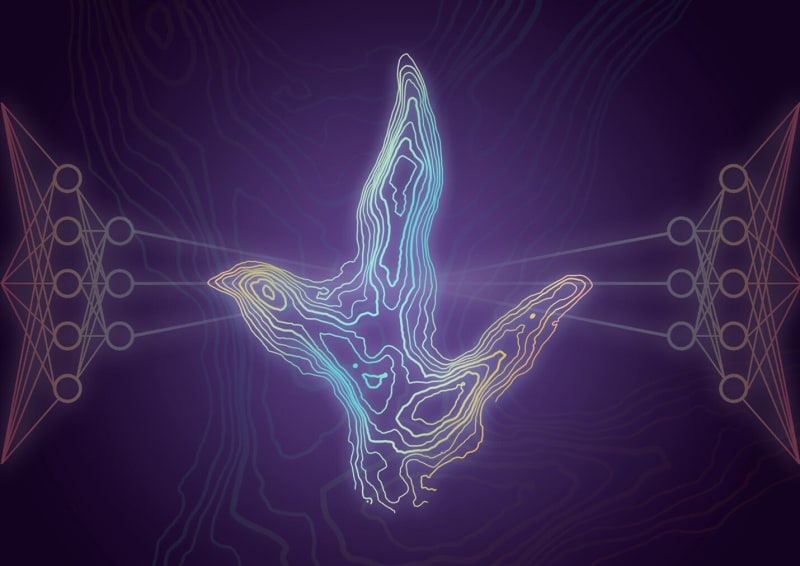
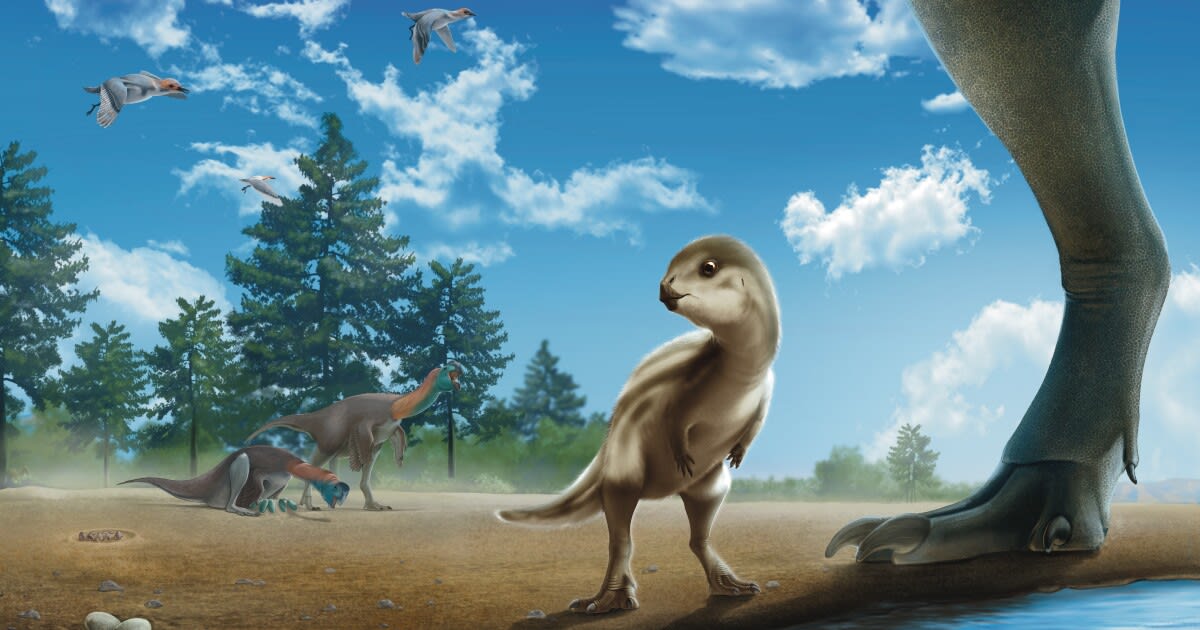
Scientists in Argentina discovered one of the smallest dinosaurs ever found, proving tiny predators played vital roles in ancient ecosystems once thought to be dominated only by giants. This 1.5-pound creature is rewriting what we know about the "age of giants."

Scientists discovered dozens of dinosaur footprints on South Africa's coast, filling a 50-million-year gap in the fossil record. The tracks reveal that diverse dinosaur species thrived in the region long after massive volcanic eruptions were thought to have wiped them out.

A groundbreaking research center in Egypt has discovered new dinosaur species and ancient creatures in the Western Desert, rewriting what scientists thought they knew about prehistoric life in Africa. The finds prove North Africa was once a thriving habitat for dinosaurs, giant crocodiles, and ancient apes.

Scientists finally solved the mystery of how squid and cuttlefish survived the asteroid that killed the dinosaurs 66 million years ago. These intelligent ocean creatures hid in oxygen-rich pockets of the deep sea, then exploded into the diverse species we see today.

A Swiss research team has uncovered only the second complete juvenile Camarasaurus skull ever found, perfectly preserved for 150 million years. The rare discovery offers scientists an unprecedented window into how these gentle giants grew and thrived during the Jurassic period.

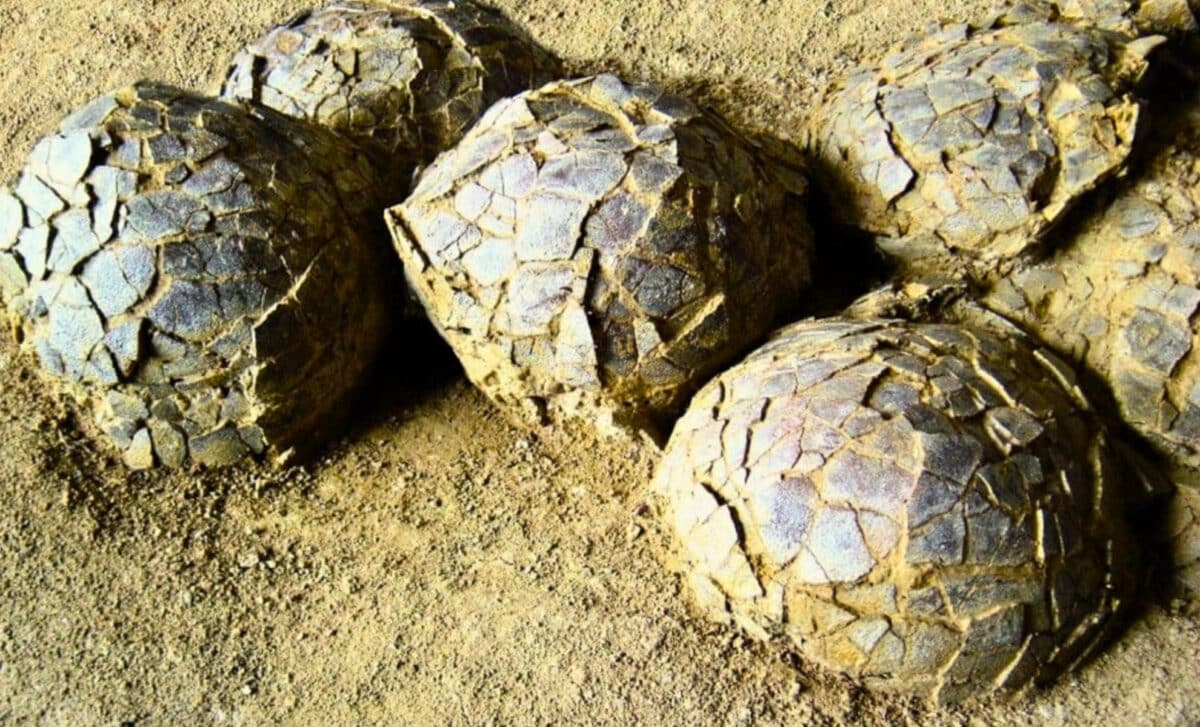
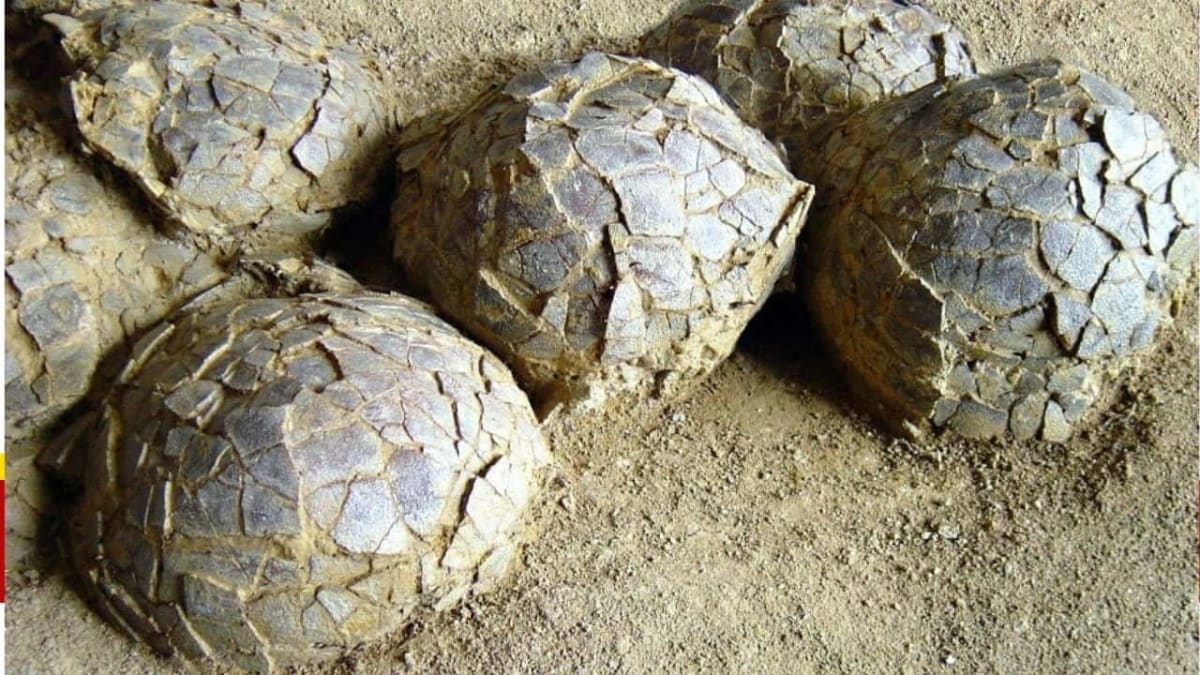
Researchers in Taiwan built a full-scale dinosaur nest and discovered why oviraptor eggs hatched at different times 70 million years ago. The findings reveal a unique incubation method that combined body heat with sunlight.

Paleontologists uncovered over 100 fossilized dinosaur eggs at a single nesting site in southern France, hidden for 70 million years. Multiple species returned to this prehistoric nursery during the late Cretaceous period, offering new clues about dinosaur nesting behavior.

Scientists discovered a remarkably preserved 1-centimeter fossil in Mongolia's Gobi Desert, offering a rare glimpse into the small creatures that lived 100 million years ago. The tiny specimen could reveal how miniature species thrived alongside giant dinosaurs.
Scientists discovered two new species of massive fish-eating dinosaurs on England's Isle of Wight, nicknamed "hell herons" for their hunting style. The 30-foot predators roamed the region 125 million years ago, rewriting what we know about spinosaur evolution.

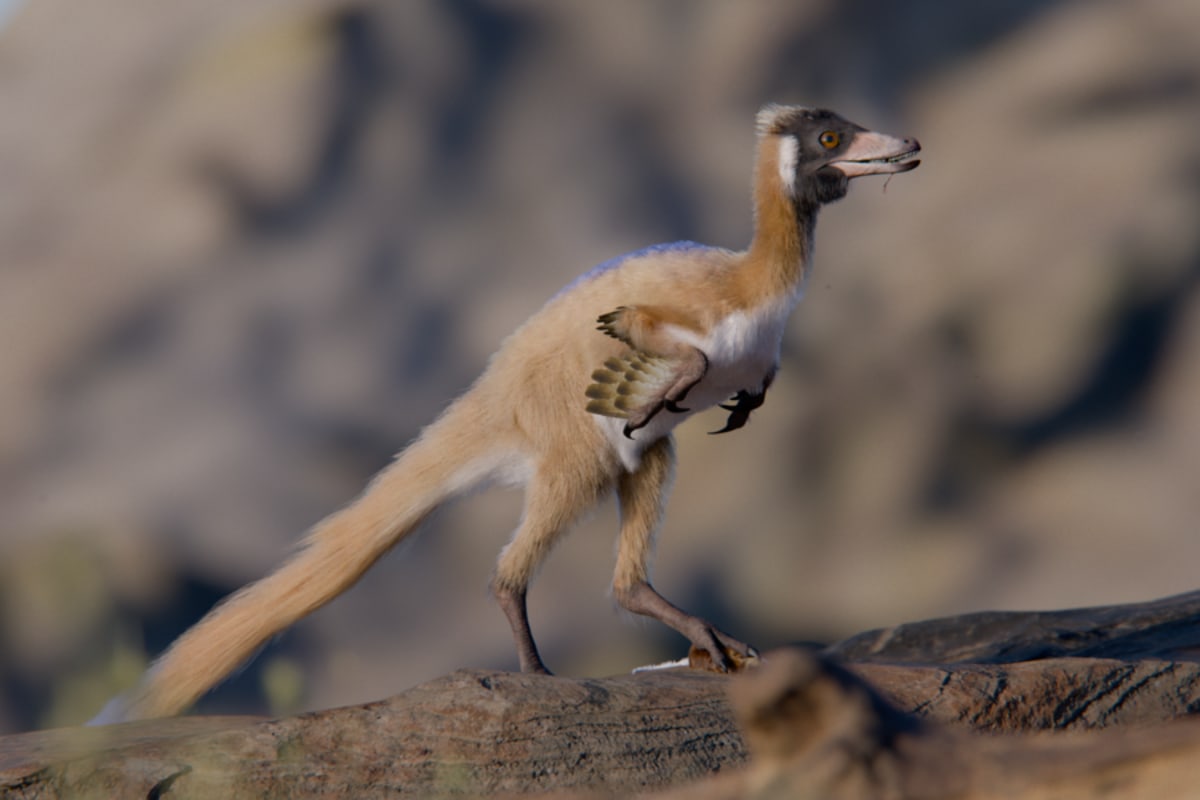
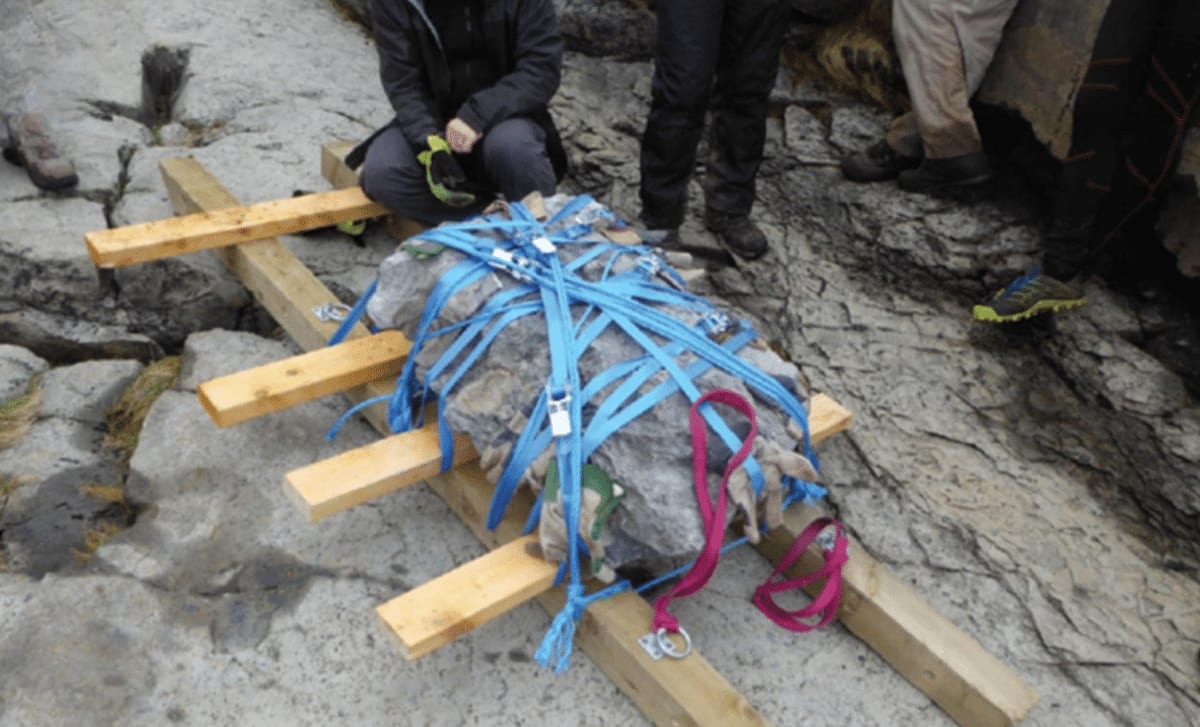
Researchers from UT Austin helped identify a new dinosaur species in Korea for the first time in 15 years. The possibly fuzzy baby dinosaur, small enough to fit on a desk, lived 100 million years ago.

Scientists discovered a rare baby dinosaur fossil in South Korea and named it Doolysaurus huhmin after a beloved children's cartoon character. It's the country's first new dinosaur species identified in over a decade.
Scientists discovered a perfectly preserved mammal fossil the size of a fingernail in Mongolia's Gobi Desert, offering a rare glimpse into life 75 million years ago. The tiny skeleton survived alongside dinosaurs and could help explain how mammals adapted to extreme climate change.
Showing 20 of 72