Parking Lot Dig Unearths First Dinosaur Fossils in 100 Years
Workers repaving a parking lot at Dinosaur National Monument discovered actual dinosaur fossils for the first time since 1924. The unexpected find turned a routine construction project into a 3,000-pound paleontology treasure hunt.
Construction workers thought they were just removing old asphalt at Dinosaur National Monument in September. Instead, they uncovered the park's first new dinosaur fossils in over a century.
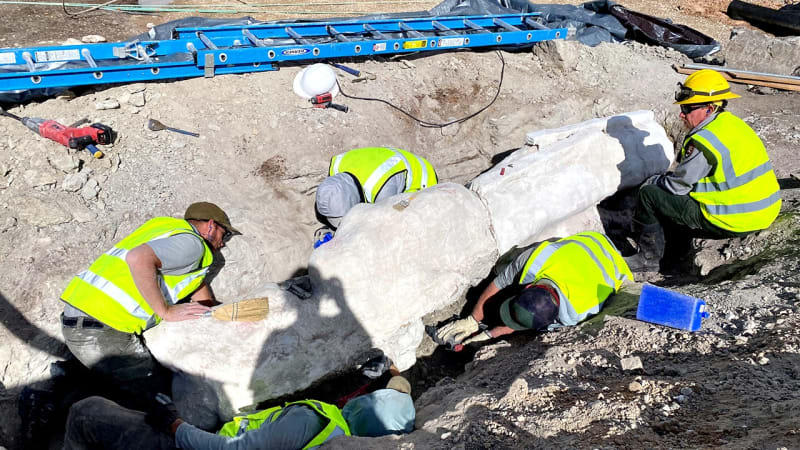
The crew was upgrading the parking lot near the famous Quarry Exhibit Hall when they hit dinosaur-bearing sandstone beneath the pavement. Park staff identified the remains on September 16 and immediately stopped construction so paleontologists could step in.
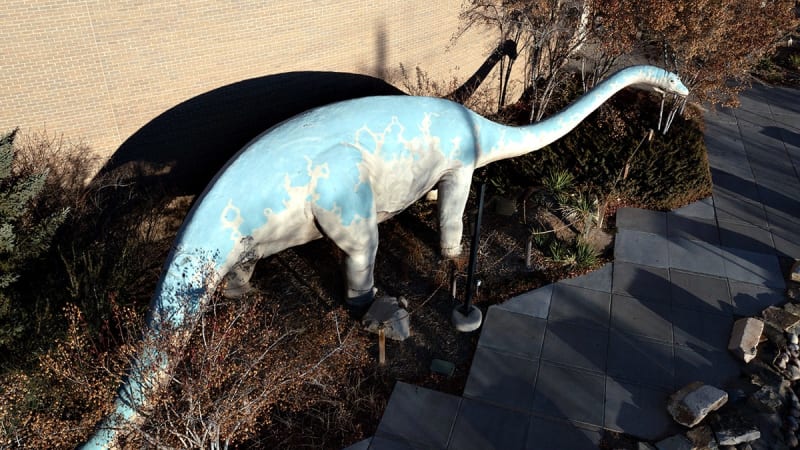
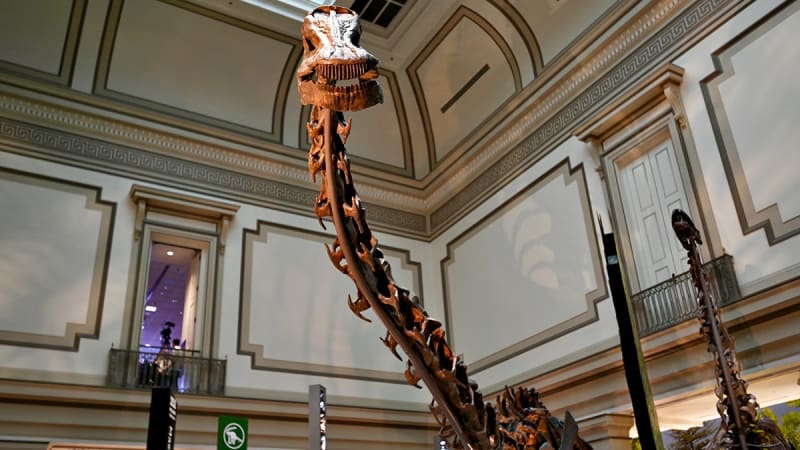
The fossils likely belonged to a Diplodocus, a massive long-necked dinosaur that roamed the area 152 million years ago. This species is commonly found in the park's historic bonebed, but nobody expected to find new specimens right under the parking lot.
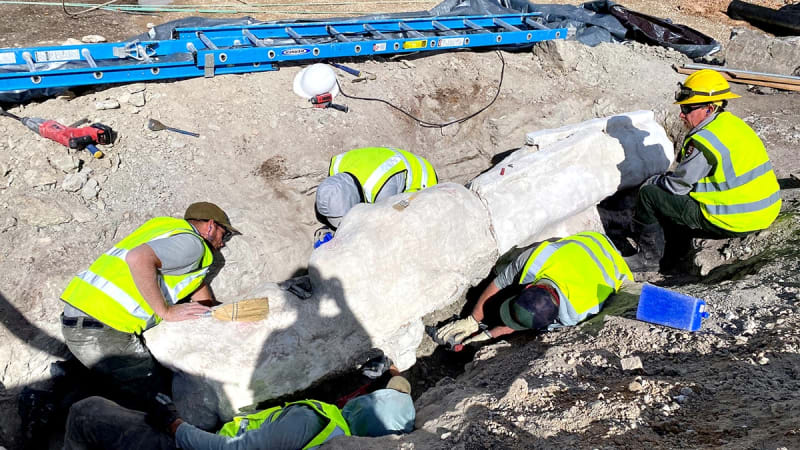
Between mid-September and mid-October, an all-hands team of park staff, Utah Conservation Corps members, volunteers, and construction workers carefully removed roughly 3,000 pounds of fossils and surrounding rock. The material is now being cleaned and studied at the Utah Field House of Natural History State Park Museum in Vernal, where visitors can watch scientists work in real time.
The discovery is particularly meaningful because this exact site hadn't been excavated since 1924. Back then, teams from the Carnegie Museum, Smithsonian National Museum of Natural History, and University of Utah conducted the last major digs before Dinosaur National Monument was officially established in 1915.
The Ripple Effect
Some of the newly uncovered fossils are already on display at the park's Quarry Exhibit Hall, nicknamed the "Wall of Bones." This popular attraction sits directly on top of the original Carnegie quarry, where visitors can see about 1,500 dinosaur fossils still embedded in rock. Now, guests have even more prehistoric wonders to marvel at.
The museum's decision to let visitors watch the fossil preparation process creates an educational opportunity that turns raw discovery into shared excitement. People can witness scientists carefully cleaning and studying bones that haven't seen daylight in millions of years.
After the excavation wrapped up, construction crews finished the parking lot project with new concrete, fresh asphalt, and improved accessibility features around the exhibit hall. Sometimes the most remarkable discoveries happen right beneath our feet, waiting patiently under the pavement for someone to look down at just the right moment.
More Images

Based on reporting by Fox News Science
This story was written by BrightWire based on verified news reports.
Spread the positivity!
Share this good news with someone who needs it