Tiny Primate Fossil Discovered 66 Million Years After Dinosaurs
Scientists found fossils of our earliest known primate ancestor in Colorado, hundreds of miles farther south than ever recorded. The discovery reveals that ancient primates spread across North America much faster than scientists thought possible after the dinosaurs vanished.
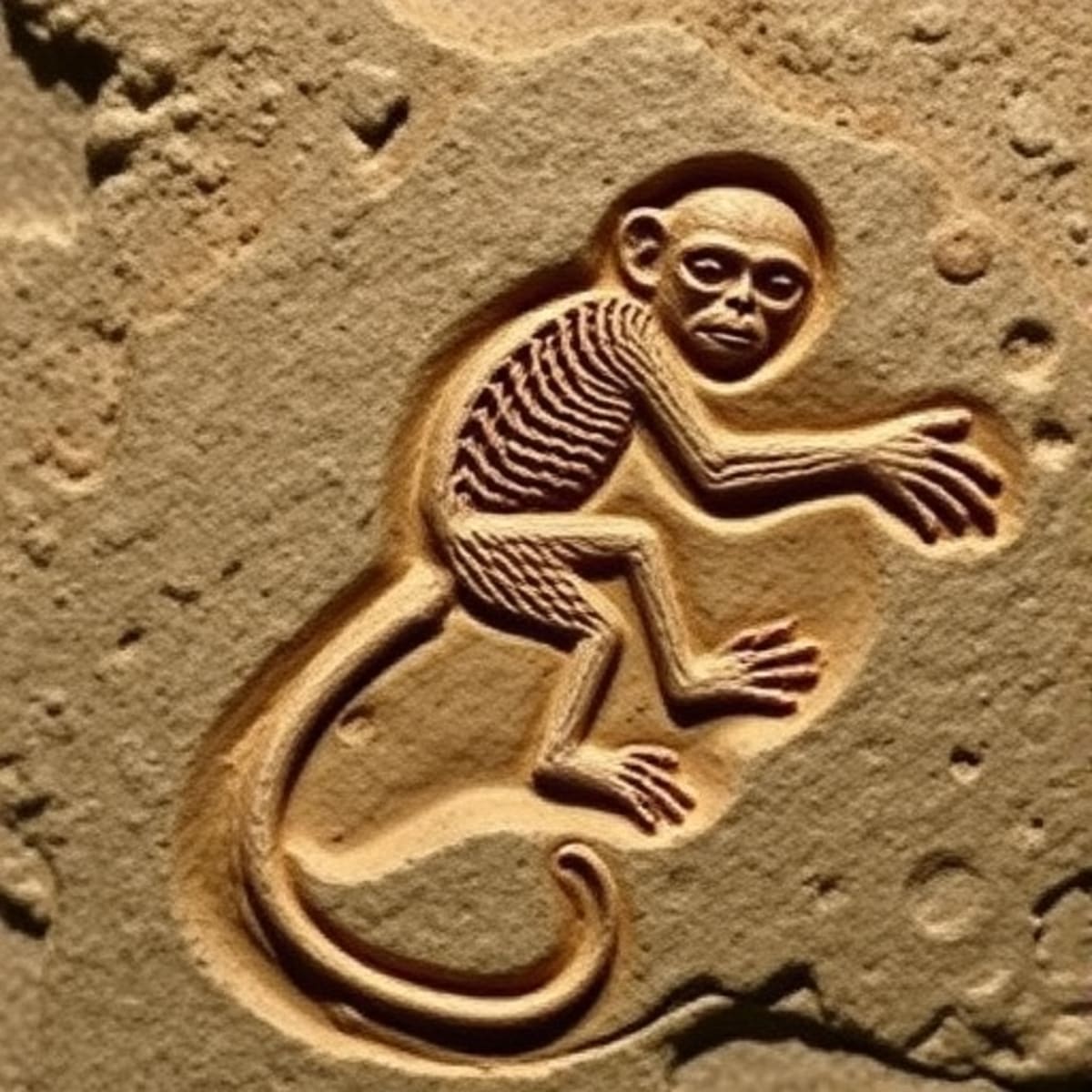
Imagine a creature the size of a shrew scurrying through ancient forests just after the dinosaurs disappeared. Scientists just found proof that these tiny animals, our earliest primate ancestors, traveled much farther and faster than anyone imagined.
Researchers discovered fossils of Purgatorius in Colorado's Denver Basin, extending the known range of this ancient primate ancestor by hundreds of miles. Until now, scientists had only found these 66-million-year-old fossils in Montana and southwest Canada.
Dr. Stephen Chester from Brooklyn College led the team that made this breakthrough using an innovative technique called screen-washing. Instead of searching for visible bones on the ground, they sifted through sediment to find teeth just a few millimeters wide.
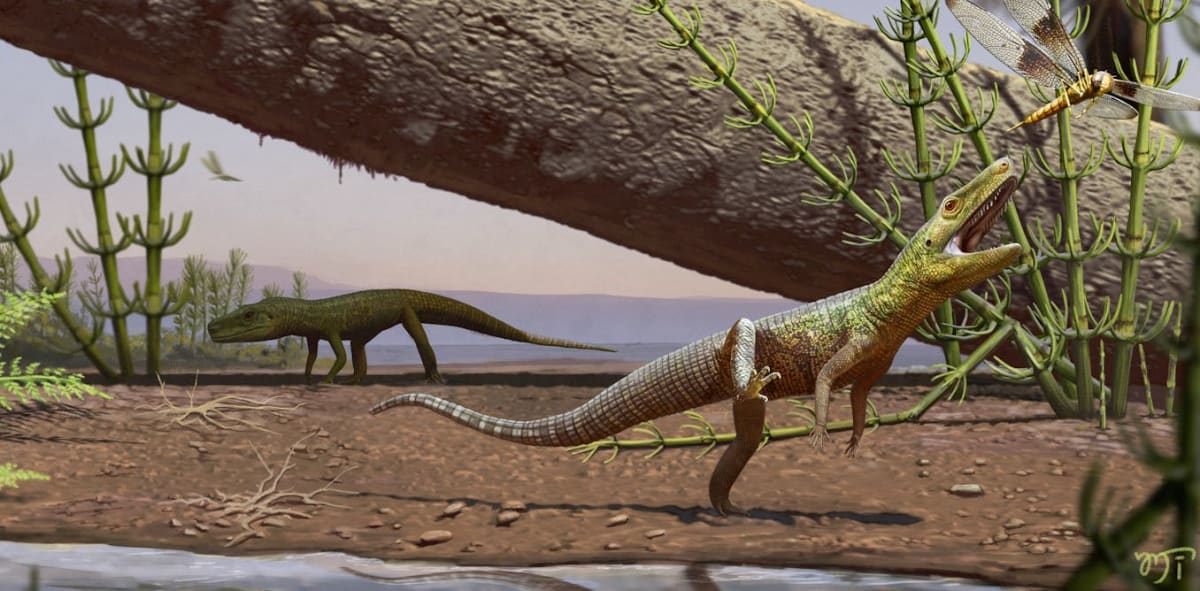
The method worked beautifully. The team recovered not just Purgatorius teeth but also fossils of fish, turtles, and crocodilians, painting a vivid picture of the ecosystem that bounced back after the mass extinction.
Why This Inspires
This discovery shows nature's incredible resilience. After one of Earth's most catastrophic events wiped out the dinosaurs, life didn't just recover slowly. These tiny primates rapidly colonized new forests across hundreds of miles, adapting and thriving in the changed world.
The fossils tell us that our distant ancestors were tree-dwellers, their ankle bones showing clear adaptations for climbing. They found opportunity in the recovering forests, moving swiftly into new habitats as plants regrew across the continent.
For nearly 150 years, scientists missed these small fossils because they relied on traditional methods that favored finding larger, more visible bones. This new approach revealed a hidden world of tiny survivors who shaped the future of primate evolution, including our own.
The research team, supported by a $3 million National Science Foundation grant and countless volunteer hours, demonstrated how changing our perspective can rewrite history. The unique features of these Colorado teeth suggest they might represent an entirely new species.
Their rapid southern migration tells us something profound about life's ability to bounce back from disaster. Within a geological blink after the asteroid impact, forests recovered and our primate ancestors spread across a continent, beginning the long evolutionary journey that would eventually lead to humans.
More Images


Based on reporting by Google: fossil discovery
This story was written by BrightWire based on verified news reports.
Spread the positivity!
Share this good news with someone who needs it