500-Million-Year-Old Fossil Reveals Hidden Ancient Diversity
A forgotten museum fossil is rewriting what scientists thought they knew about life 500 million years ago. The discovery suggests Earth's ancient oceans were teeming with far more life than researchers believed.
A dusty fossil sitting in a museum drawer for over 60 years just solved one of paleontology's biggest mysteries.
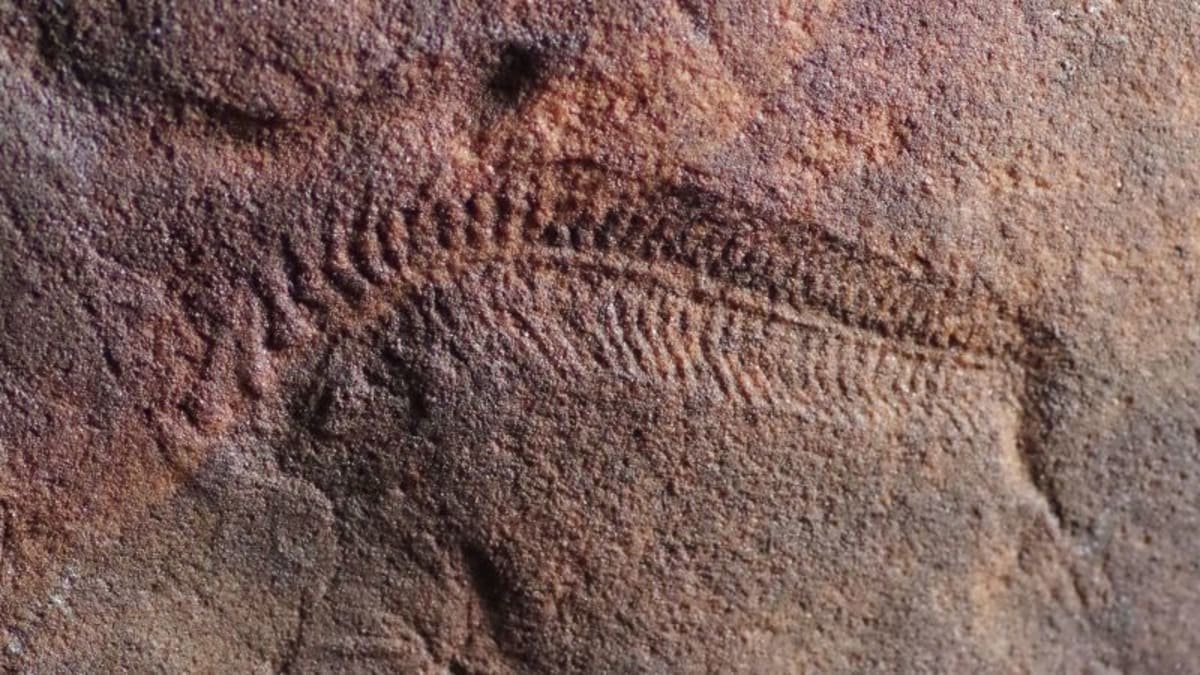
Scientists have rediscovered and identified a 500-million-year-old arthropod from eastern Canada that challenges the long-held belief that Earth experienced a major biodiversity collapse during the late Cambrian Period. The tiny armored creature, now named Magnicornaspis garwoodi, suggests ancient oceans were far richer with life than the fossil record seemed to show.
The specimen was originally collected in 1962 near Québec during routine geological mapping. It ended up in the Smithsonian Institution's collections in Washington, D.C., where it sat largely forgotten until recently when researchers revisited it using modern techniques.
What they found surprised everyone. The fossil represents a completely new genus and species belonging to a rare group of extinct arthropods called corcoraniids, ancient relatives of modern spiders, scorpions and horseshoe crabs.
The creature itself was small but impressive. Its most striking feature was a pair of forward-projecting head spines, with one exceptionally large spike that inspired its name, which roughly means "large horn shield." The full body measured less than half an inch long and was heavily armored with seven articulated segments.
For decades, paleontologists puzzled over why so few fossils appeared from the Furongian, a period spanning roughly 497 million to 485 million years ago. Some scientists suggested ocean chemistry changes or cooling temperatures had caused mass die-offs. Others wondered if environmental instability had wiped out marine ecosystems.
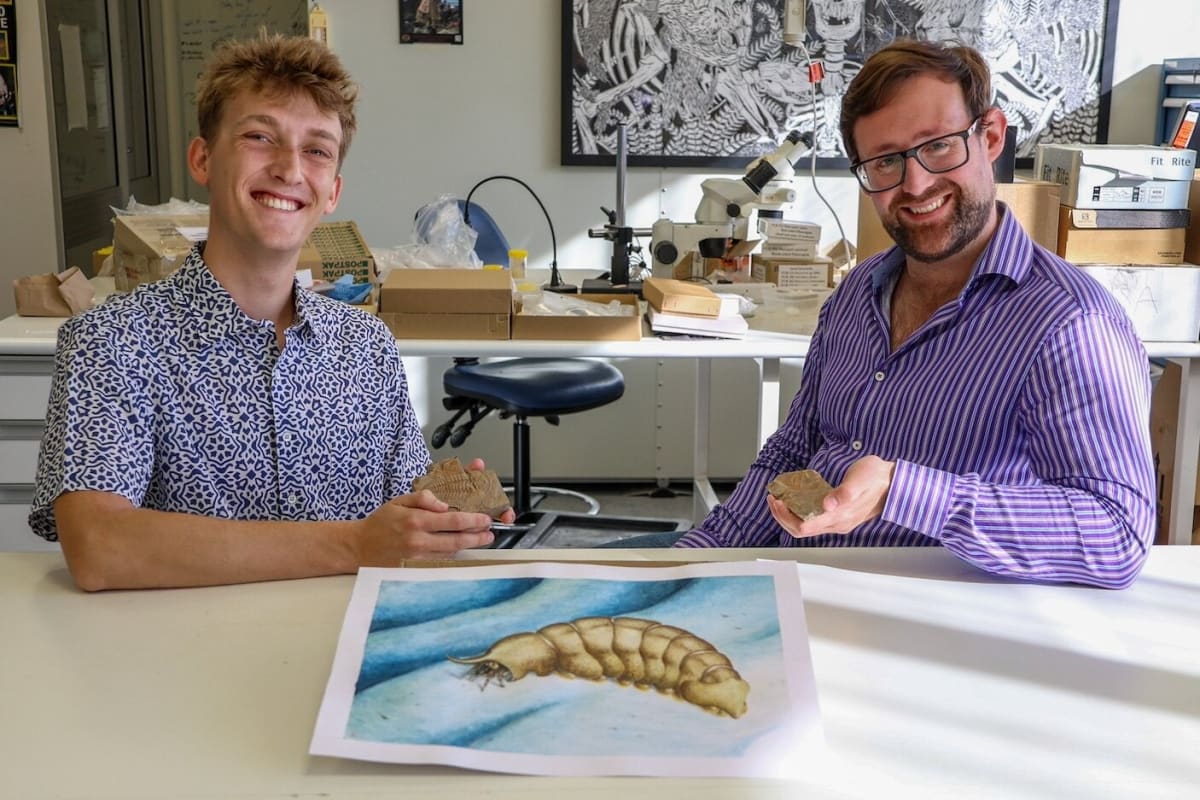
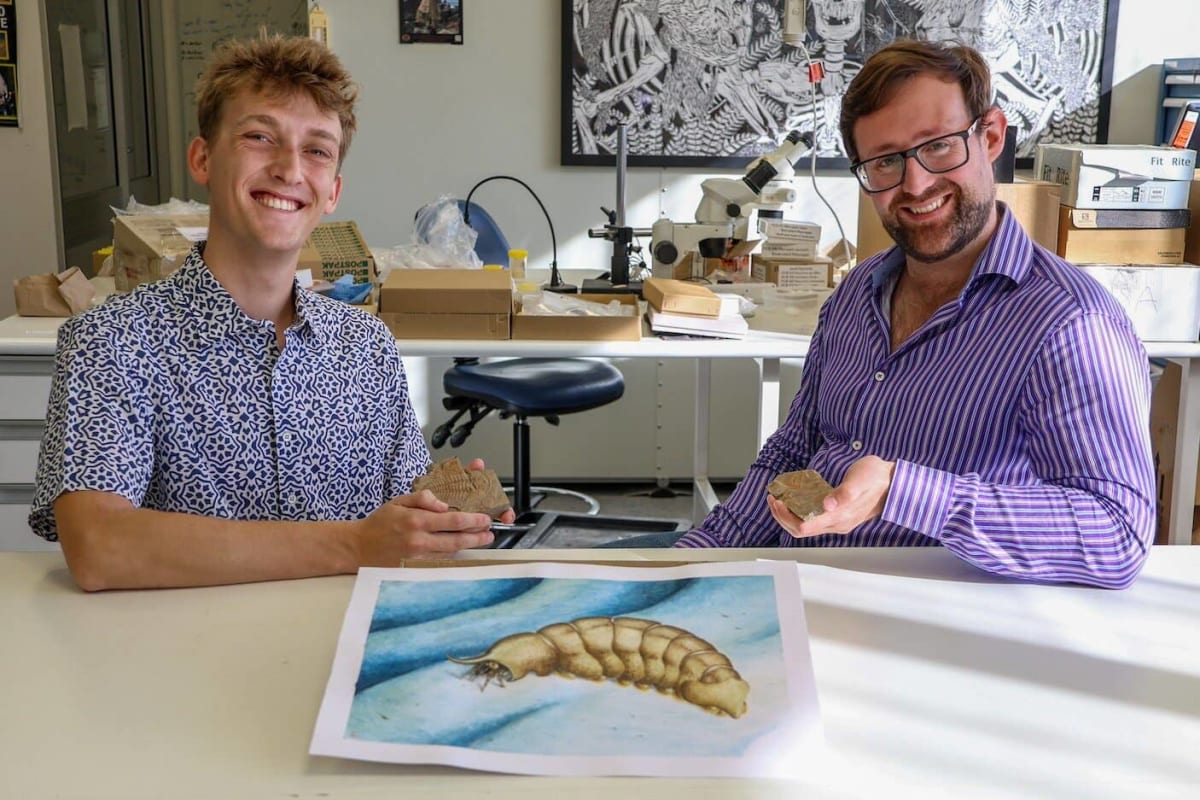
Dr. Russell Bicknell from Flinders University's College of Science and Engineering offered a different explanation. Perhaps researchers simply hadn't been looking at the right rocks or fossil-bearing deposits to get a clear picture of life during that time.
The Bright Side
This discovery highlights an encouraging truth about scientific progress. Major breakthroughs don't always require expensive expeditions to remote locations. Sometimes the answers are already sitting in museum collections, waiting for someone to take a second look.
Dr. Julien Kimmig of the Karlsruhe Institute of Technology emphasized this point. Museum collections contain enormous quantities of under-studied material collected over the past century during geological surveys and expeditions. Revisiting these collections with modern analytical techniques can fundamentally reshape our understanding of ancient ecosystems.
The fossil provides valuable evidence that diverse ecosystems continued to thrive during the late Cambrian. Rather than reflecting a biological collapse, the apparent fossil shortage may simply reveal gaps in where scientists have searched.
Each new corcoraniid specimen is precious because these animals are so rare in the fossil record. Some previously discovered relatives even preserved traces of ancient nervous systems, offering extraordinary glimpses into early arthropod anatomy and evolution.
This little armored creature is teaching scientists that absence of evidence isn't evidence of absence, and our planet's story of life keeps getting richer the more we look.
More Images


Based on reporting by Google: fossil discovery
This story was written by BrightWire based on verified news reports.
Spread the positivity!
Share this good news with someone who needs it